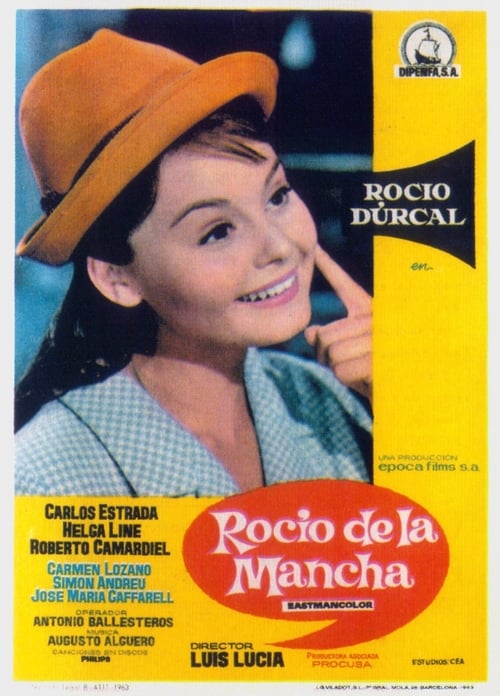
Rocío de la Mancha
1963
No user ratings available yet
Representation score: 1.8 out of 10
Representation Score
Fair
1992
Director
Carlos Suárez
Runtime
105 minutes
Average Rating
No ratings yetNew Showbiz Analysis
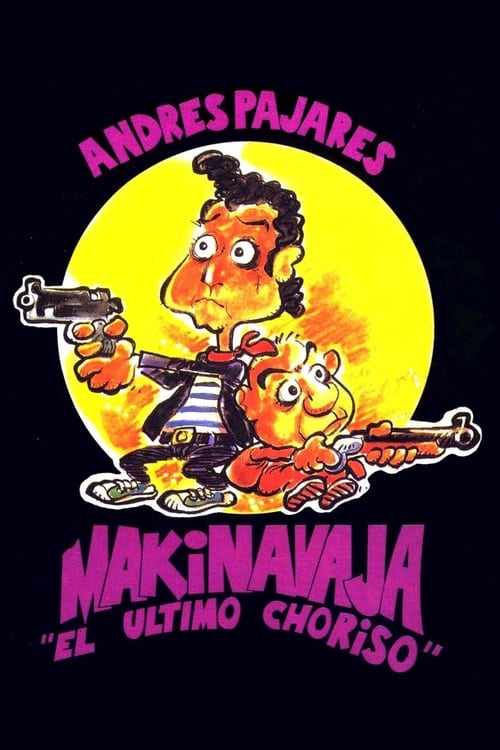
Makinavaja, el último choriso succeeds as a culturally specific film that avoids the moral binaries of mainstream commercial films. By centering the Argentine marginal experience, it provides a meaningful sense of regional identity and ethnic context. However, the film is heavily anchored in traditional masculine archetypes. The focus on the rogue protagonist limits the narrative's scope, leaving little room for gender subversion or diverse sexual identities. Ultimately, the film's strength lies in its sophisticated exploration of socioeconomic marginality. It challenges standard institutional narratives by presenting anti-social behavior as a nuanced response to systemic pressures.
Category Breakdown
The film focuses on traditional masculine roles and does not include any non-cisgender gender identities or same-sex relationships.
The movie emphasizes masculine social dynamics through the 'pícaro' archetype and lacks strong female characters or challenges to gender hierarchies.
The film highlights the specific cultural nuances of Argentina by featuring a predominantly Argentine cast, avoiding Western-centric homogeneity.
The story frames the protagonist's petty crimes as a survival mechanism, critiquing traditional institutions of law and order and capitalist structures.
There are no visible or invisible disabilities depicted in the film.
Present on Screen
Limited or Absent
Official Synopsis
A movie based on the Spanish comic strip of the same name.
1963
2001
1990
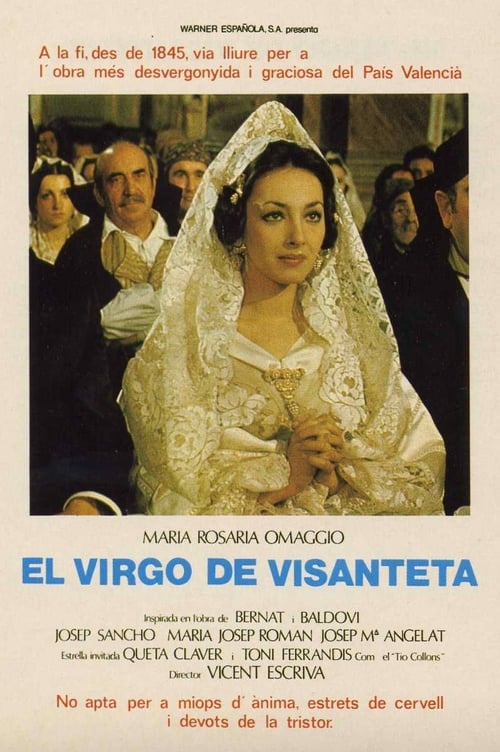
1979
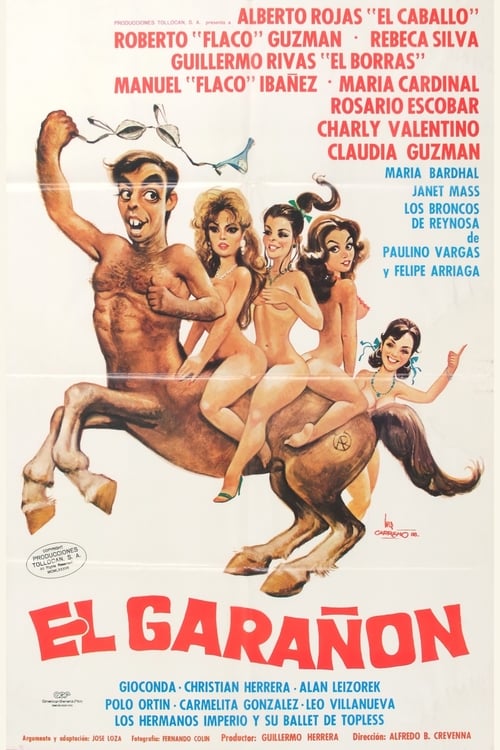
1989
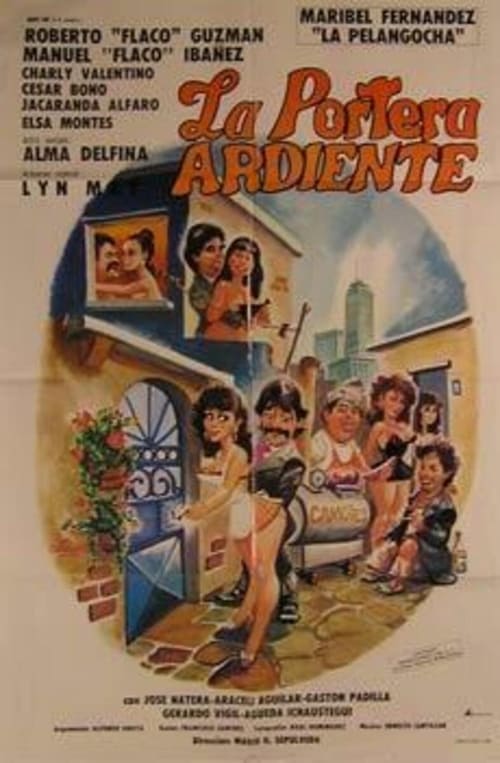
1989
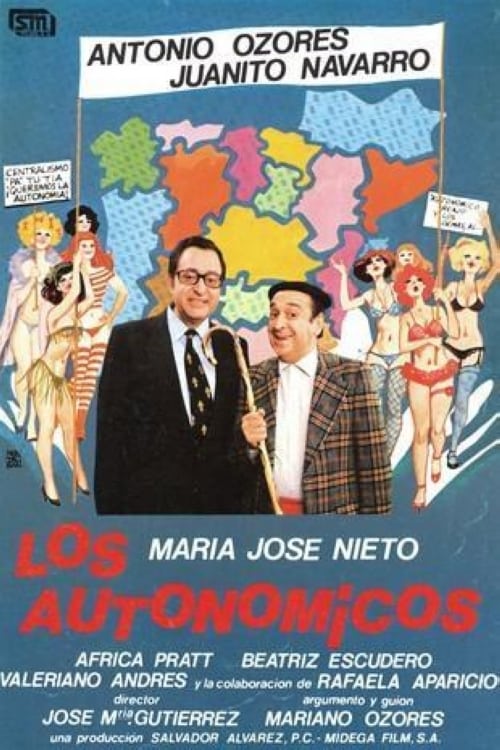
1982
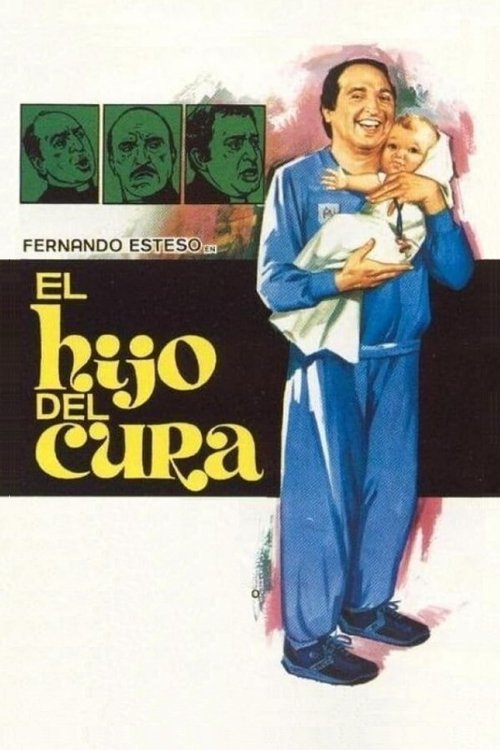
1982
No reviews yet. Be the first to share your thoughts on this movie!
Use the rating form above to leave a star rating and optional review.