
No Child of Mine
1997
No user ratings available yet
Representation score: 6.6 out of 10
Representation Score
Good
1987
TV-14Director
Adrian Shergold
Runtime
85 minutes
Average Rating
No ratings yetNew Showbiz Analysis
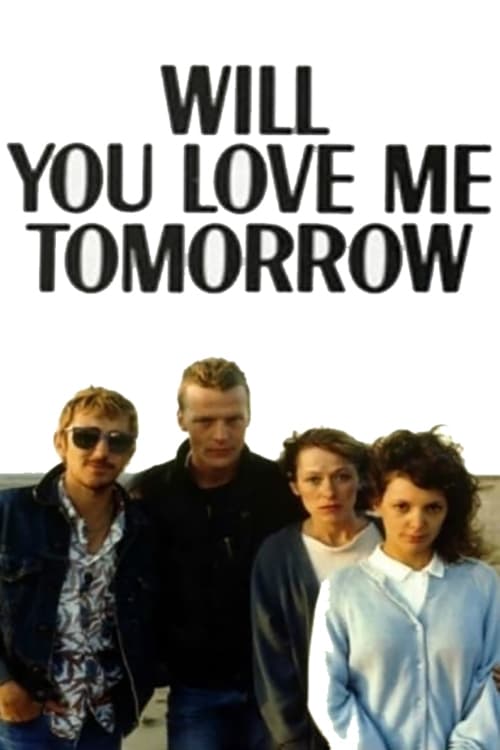
Will You Love Me Tomorrow is a character-driven study that prioritizes the psychological journey of its female protagonist. By focusing on Jackie's search for love and autonomy, the film offers a nuanced look at female interiority and the struggle against a harsh reality. However, the film lacks a broad range of identities. It operates within a relatively narrow social framework, showing little evidence of racial diversity or LGBTQ+ representation. The narrative's strength lies in its exploration of social dysfunction rather than a wide variety of identities. Ultimately, the film succeeds as a critique of institutional failures and social stability. It provides a meaningful look at psychological fragility, even if it remains limited in its broader demographic scope.
Category Breakdown
The film does not include explicit LGBTQ+ characters or narratives. The story revolves around a protagonist looking for romantic connections within a traditional framework.
The narrative centers on Jackie's internal struggle for emotional autonomy and control over her life. This focus on a woman's inner world challenges the typical male-dominated perspective found in 1980s dramas.
There is no documented evidence of diverse casting or racial blending. The production context suggests a potentially homogeneous social setting.
Inspired by the Mary Bell case, the film critiques traditional family and state structures. It emphasizes individual emotional truth over established social norms.
The story explores psychological trauma and the complexities of social reintegration. Jackie's struggle suggests a narrative dealing with mental health issues or systemic isolation.
Present on Screen
Limited or Absent
Official Synopsis
Inspired by the true story of Mary Bell; Freedom fascinates and frightens Jackie, encountering the real world for the first time in years, She clings to an ideal : 'What I want most in the whole world is to be in love and to be loved'. Reality can be harsh and unforgiving.
1997

2020

2007

1979

1986

1988

2018
2013
No reviews yet. Be the first to share your thoughts on this movie!
Use the rating form above to leave a star rating and optional review.