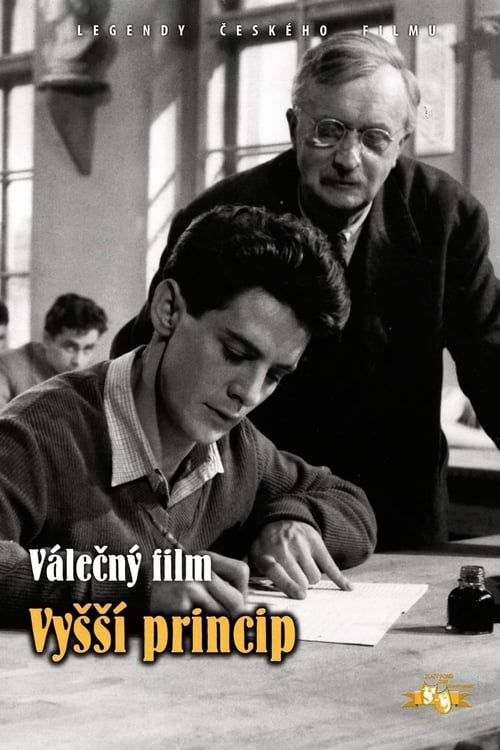
Higher Principle
1960
No user ratings available yet
Diversity score: 6.3 out of 10
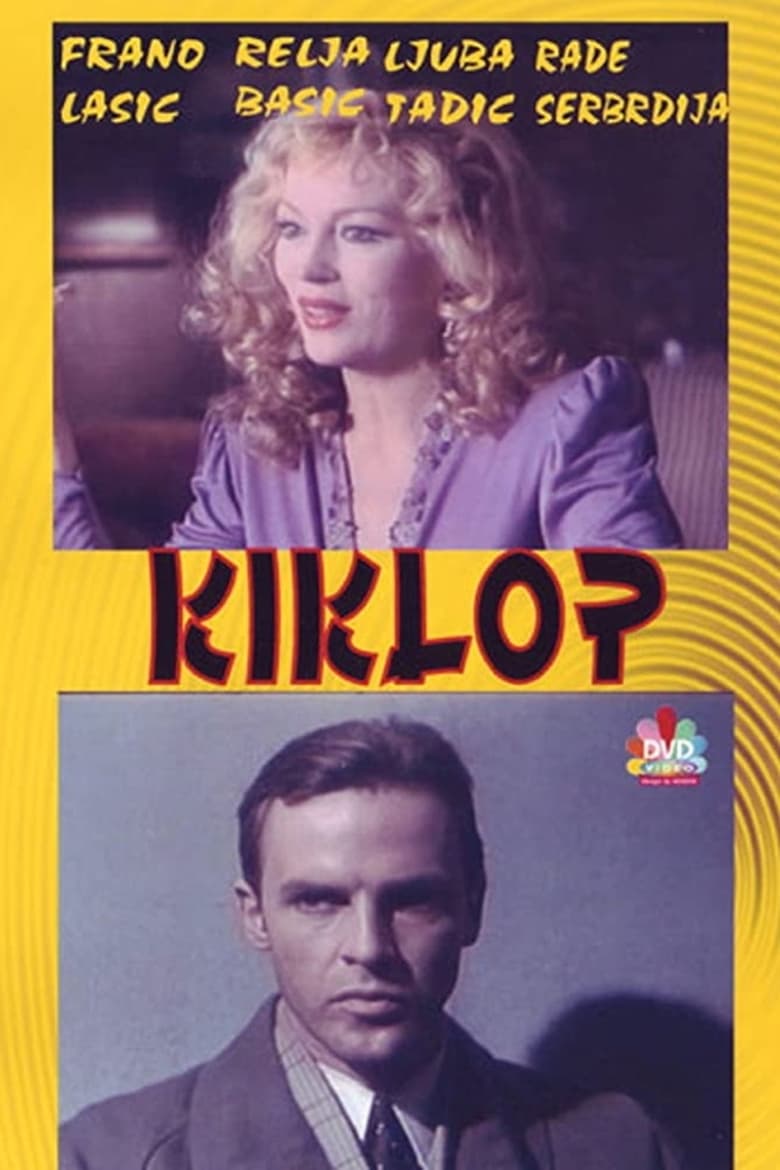
1982
Director
Antun Vrdoljak
Runtime
138 minutes
Average Rating
No ratings yetSynopsis
Melkior Tresic is one of many intellectuals in 1941 Zagreb who is helplessly waiting for the encroaching war.
Overall Score
Fair
Category Breakdown
LGBTQ+ Representation
The film lacks explicit depictions of non-heteronormative identities. While the intellectual crisis might allow for subtextual exploration of private lives, there is no verified evidence of overt queer narratives.
Gender Representation
The story centers on Melkior Tresic, a male intellectual, which suggests a male-centric perspective. However, the wartime setting likely explores how women navigate the collapse of traditional patriarchal structures.
Racial & Ethnic Diversity
The production avoids Anglo-Saxon centricity by focusing on the Balkan landscape. It highlights the complex ethnic and political fractures inherent to the regional context of 1941 Zagreb.
Religious & Cultural Diversity
The film excels by critiquing established social and political orders. It uses the historical setting to explore moral relativism and the failure of traditional institutions during systemic collapse.
Disability Representation
There is no documented evidence regarding the portrayal of physical or neurodivergent disabilities within the narrative.
Strengths
Areas for Improvement
AI Analysis
Cyclops is a sophisticated historical drama that prioritizes intellectual and psychological depth over contemporary identity tropes. It succeeds by deconstructing authority and examining the instability of truth during systemic transitions. The film's strength lies in its regional perspective, offering a non-Western view of mid-20th-century history. It effectively captures the erosion of social hierarchies and the psychological toll of political collapse. However, the narrative leans heavily toward a male-centric viewpoint. The lack of explicit representation for LGBTQ+ identities and disabilities limits its breadth of social diversity.
1960
1978

1991

1986
1985
2001
1985
2016

1998
1978
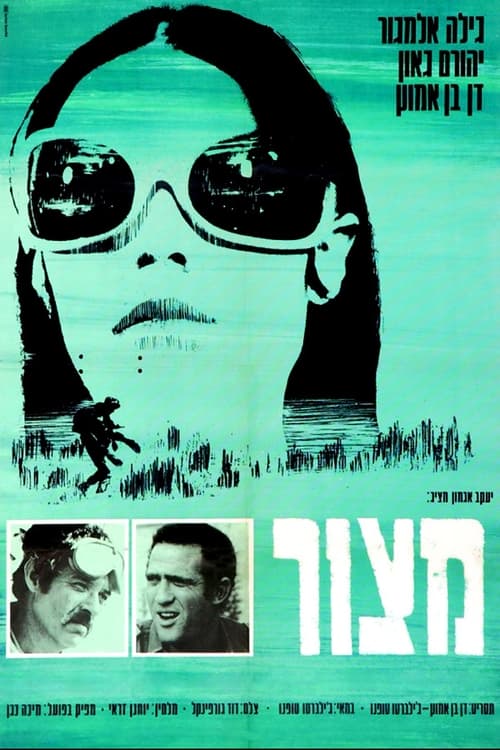
1969
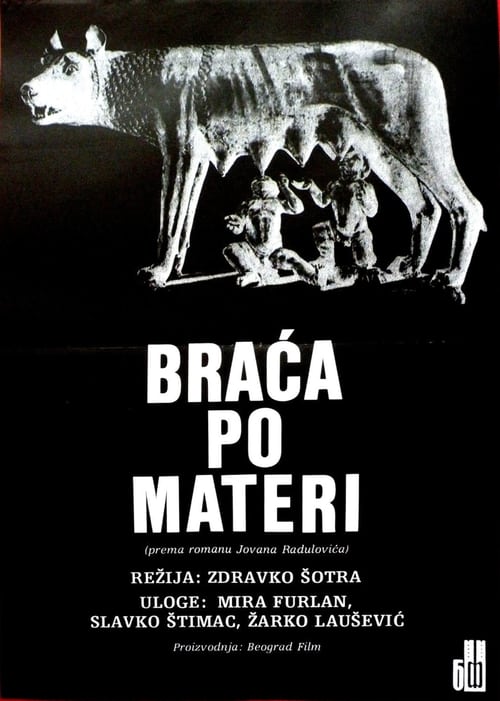
1988
No reviews yet. Be the first to share your thoughts on this movie!
Use the rating form above to leave a star rating and optional review.