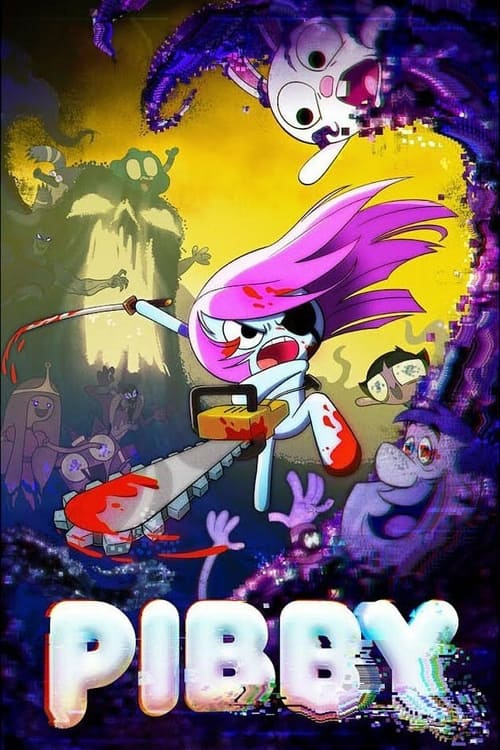
Come and Learn with Pibby!
2021
No user ratings available yet
Representation score: 4.4 out of 10
Representation Score
Limited
2026
RDirector
Casper Kelly
Runtime
96 minutes
Average Rating
No ratings yetNew Showbiz Analysis
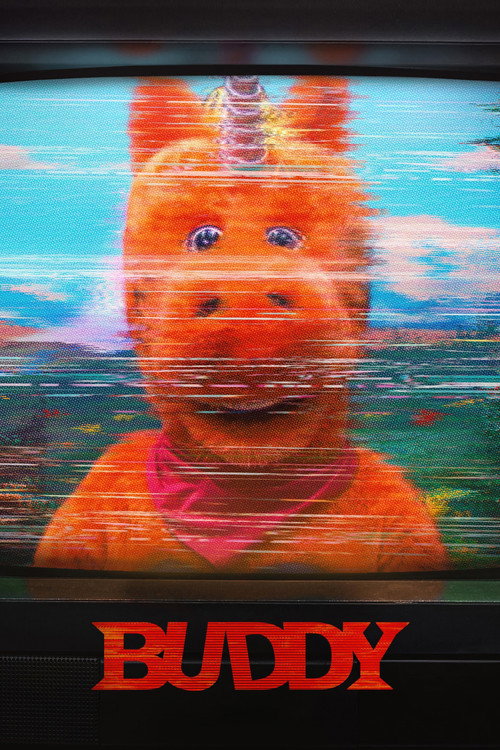
Buddy leverages a familiar children’s TV aesthetic to deliver horror, using its cheerful host as a vehicle for critique. Keegan-Michael Key’s prominent voice role adds racial visibility, while Cristin Milioti’s presence ensures women are part of the core cast. However, the film’s narrow focus on survival within a surreal set limits broader representation. There are no LGBTQ+ characters, no disability representation, and no clear exploration of gender dynamics beyond basic casting. The cultural commentary is sharp but contained within the horror premise. Overall, the film’s diversity is moderate, anchored by one strong voice performance but lacking in inclusive storytelling across other dimensions.
Category Breakdown
No LGBTQ+ characters appear or are identified. The narrative centers on children fleeing a hostile host, with no romantic arcs or identity-specific storylines to suggest queer presence.
Cristin Milioti appears alongside male leads Topher Grace and Keegan-Michael Key. Women are present in the main cast, but the film does not highlight distinct leadership roles or nuanced power dynamics between genders.
Keegan-Michael Key voices the title character, Buddy the Unicorn, offering prominent Black representation. The racial backgrounds of other top-billed cast members remain unspecified, leaving the broader picture unclear.
The film critiques the artificial cheer of a lesson-driven children’s show by turning its host into a nightmare. This subverts the traditional wholesome tone, framing enforced happiness as oppressive.
No characters with physical or mental disabilities appear in the synopsis or cast list. The story focuses on children trapped in a surreal environment without addressing disability representation.
Present on Screen
Limited or Absent
Official Synopsis
Inside the colorful world of "It's Buddy!", a group of children spend their days singing, dancing, and helping Buddy - bright orange unicorn - spread happiness. But when one child refuses to play along, Buddy is not pleased and cracks begin to appear in this seemingly perfect world.
2021
1999

2016
2024
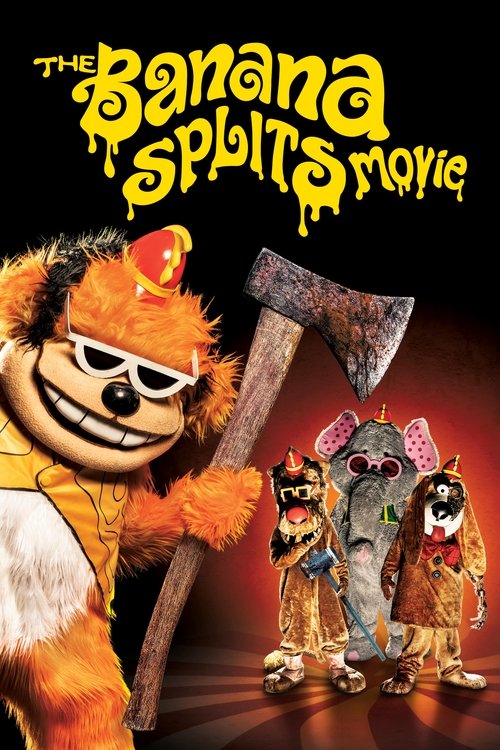
2019
2011

2020
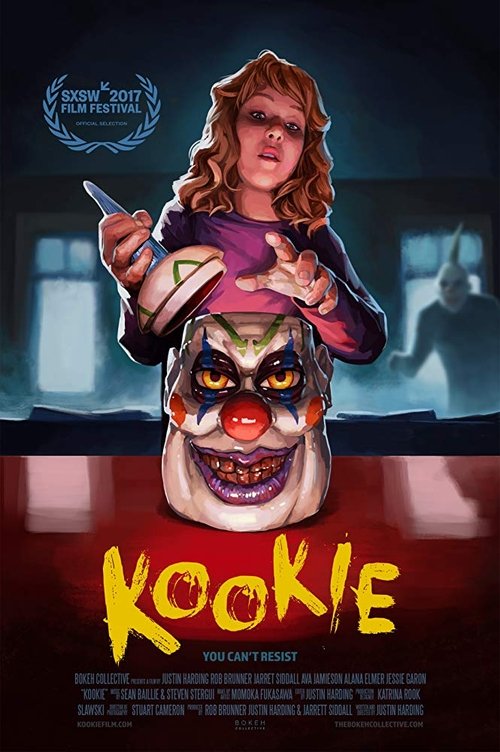
2016
No reviews yet. Be the first to share your thoughts on this movie!
Use the rating form above to leave a star rating and optional review.