
The Year of Fury
2021
No user ratings available yet
Diversity score: 5.7 out of 10
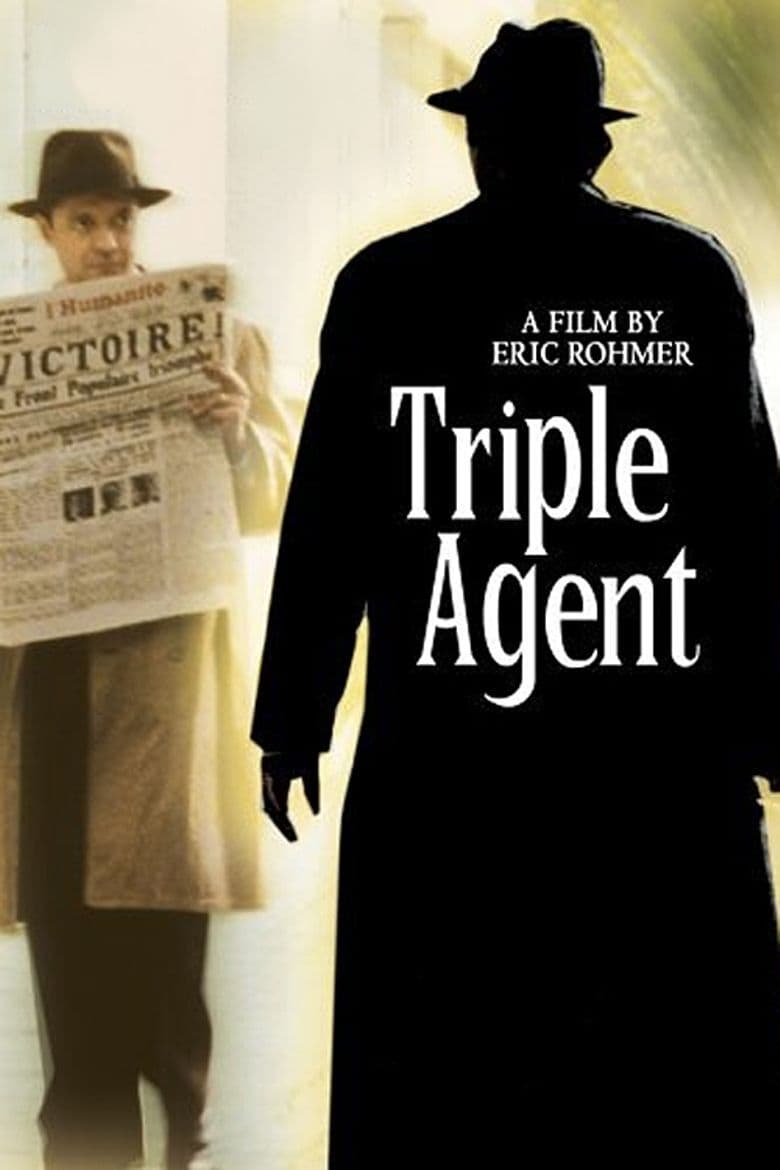
2004
Director
Éric Rohmer
Runtime
115 minutes
Average Rating
No ratings yetSynopsis
The Popular Front wins elections, the Spanish Civil War begins, and Hitler and Stalin are manipulating and spying. The brilliant exile, Fiodor Voronin, a general at 20, is the deputy at the White Russian Military Union, probably slated to replace the aging Général Dobrinsky soon. Fiodor's Greek wife, Arsinoé, paints and stays away from politics, befriending Communist neighbors. Her health declines; the attentive Fiodor arranges care and, against the backdrop of Stalin's Great Purge, considers his options. He plays a chess game in which love of country, love of Arsinoé, ideology, petty jealousies, and the machinations of power roil in matters of life and death.
Overall Score
Fair
Category Breakdown
LGBTQ+ Representation
The story centers on the heteronormative marriage between Fiodor and Arsinoé. No non-cisnormative identities or critiques of heteronormativity are present in the narrative.
Gender Representation
Fiodor acts as the traditional protector, yet Arsinoé finds agency through her art and social circles. The film subverts the political wife trope while remaining anchored in a patriarchal framework.
Racial & Ethnic Diversity
The film avoids Anglo-centric tropes by centering a White Russian protagonist and a Greek wife. This transnational approach offers a complex ethnic tapestry during a period of intense geopolitical tension.
Religious & Cultural Diversity
The narrative avoids simplistic Western morality by exploring the corrupting forces of Stalinism and Hitler. It presents a landscape of subjective ethics and moral relativism.
Disability Representation
Arsinoé’s declining health serves as a primary plot driver. However, this appears to function more as a narrative device to heighten stakes than an exploration of disability with independent agency.
Strengths
Areas for Improvement
AI Analysis
Triple Agent distinguishes itself through a transnational lens, moving away from standard Western-centric historical dramas. By focusing on Russian exiles and Greek identity, the film provides a more complex ethnic perspective on mid-century politics. The film's strength lies in its refusal to offer a simplistic moral compass, instead exploring the subjective ethics of survival and ideology. This creates a sophisticated, postmodern approach to political storytelling. However, the film lacks representation for LGBTQ+ identities and uses physical decline primarily as a plot catalyst. The narrative remains largely driven by traditional patriarchal structures and heteronormative dynamics.
2021
2009

1977

1952
2015

1979
No reviews yet. Be the first to share your thoughts on this movie!
Use the rating form above to leave a star rating and optional review.