
Mohenjo Daro
2016
No user ratings available yet
Representation score: 3.9 out of 10
Representation Score
Good
2001
PGDirector
Ashutosh Gowariker
Runtime
233 minutes
Average Rating
No ratings yetNew Showbiz Analysis
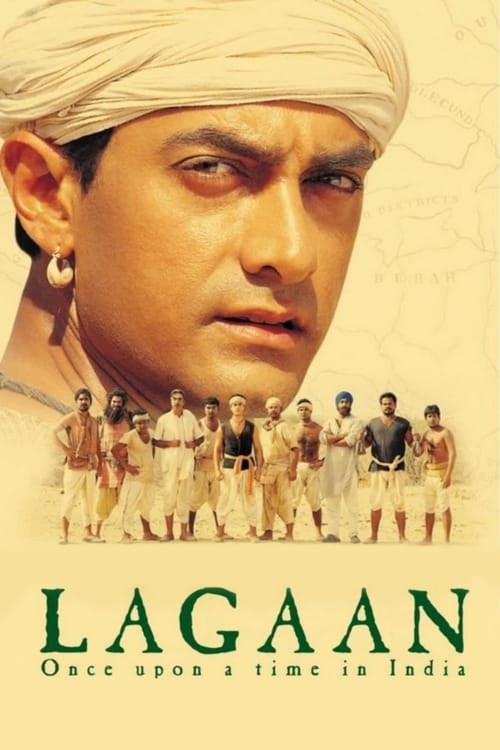
Lagaan is a powerful exercise in post-colonial storytelling that centers underrepresented identities against an imperial backdrop. By framing a cricket match as a battle for survival, the film transforms a sporting contest into a sophisticated critique of systemic oppression. The narrative excels at deconstructing the myth of colonial superiority, portraying the British Raj as an exploitative force. It successfully utilizes diverse caste and regional identities to present a unified front against hegemony. However, the film remains somewhat conservative in its social dynamics. It lacks representation for LGBTQ+ identities and offers limited engagement with disability, focusing instead on the physical utility of its characters.
Category Breakdown
The film focuses on traditional communal and romantic structures typical of a period piece. There is no representation of LGBTQ+ identities or non-assuming gender matches what was assigned at birth characters.
The narrative adheres to 1893 social hierarchies but grants female characters like Gauri a degree of influence. It passes the Bechdel test through female-to-female dialogue independent of male protagonists.
This post-colonial story centers a non-Anglo-Saxon majority and uses cricket to reclaim ability to act. It portrays British officers as antagonistic forces of systemic exploitation rather than civilizers.
The film offers a robust critique of Western institutional oppression and colonial capitalism. It prioritizes the collective struggle of the colonized over the preservation of Western administrative norms.
The focus on physical prowess and athletic merit leaves little room for nuanced portrayals. Characters are primarily defined by their utility to the cricket match's collective goal.
Present on Screen
Limited or Absent
Official Synopsis
The year is 1893 and India is under British occupation. In a small village, the tyrannical Captain Russell has imposed an unprecedented land tax on its citizens. Outraged, Bhuvan, a rebellious farmer, rallies the villagers to publicly oppose the tax. Russell offers a novel way to settle the dispute: he challenges Bhuvan and his men to a game of cricket, a sport completely foreign to India. If Bhuvan and his men can defeat Russell's team, the tax will be repealed.
2016
1979
1981
2001
2008

2010
2010

1970
No reviews yet. Be the first to share your thoughts on this movie!
Use the rating form above to leave a star rating and optional review.