
Burke & Wills
1985
No user ratings available yet
Representation score: 2.8 out of 10

Representation Score
Fair
1989
Director
Rainer Simon
Runtime
95 minutes
Average Rating
No ratings yetNew Showbiz Analysis
Set in the 19th century and rooted in East German cinema, the film explores the life of Alexander von Humboldt through the lens of individual ability to act within systemic environments. While it lacks modern diversity markers like LGBTQ+ or neurodivergent representation, it provides a unique socialist-humanist perspective. It critiques imperialist motives and presents scientific progress as a secular, collective effort. Ultimately, the film's diversity profile is limited by its historical context and the traditional masculine archetypes typical of the adventure genre.
Category Breakdown
The film does not include any LGBTQ+ characters or stories about non-straight identities. It follows the social norms of the late-1980s GDR.
The story focuses on Alexander von Humboldt, highlighting traditional masculine roles of leadership and discovery. Women may have some influence, but they likely don't challenge the existing gender hierarchy.
The plot centers on a European explorer in South America, possibly reflecting a colonial viewpoint. The focus stays on the European perspective rather than elevating non-Western characters.
The film portrays scientific endeavors through a socialist-humanist lens rather than religious morality. It emphasizes secular, state-focused values and collective progress over Western capitalist goals.
There are no characters with disabilities shown taking an active role. The adventure genre's demands likely favor physical abilities over disability.
Present on Screen
Limited or Absent
Official Synopsis
The life of Alexander von Humboldt up to his attempt to climb the Chimborazo in 1802.
1985
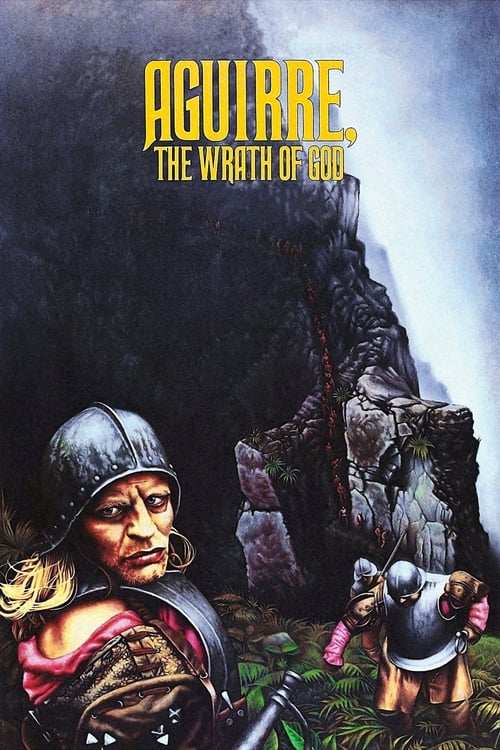
1972
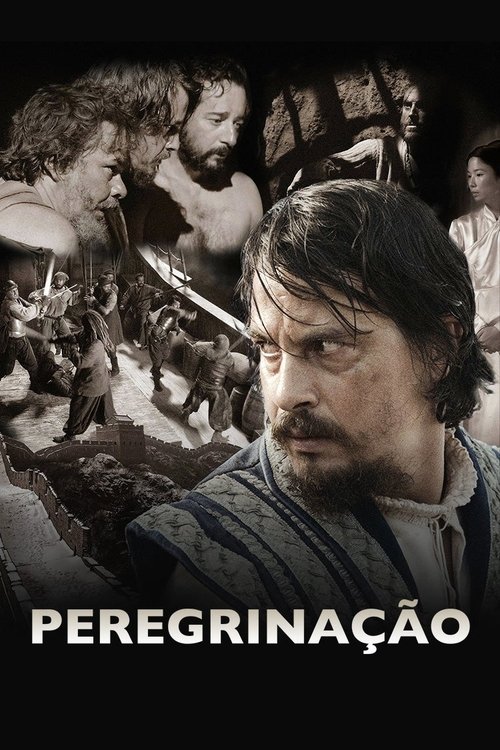
2017
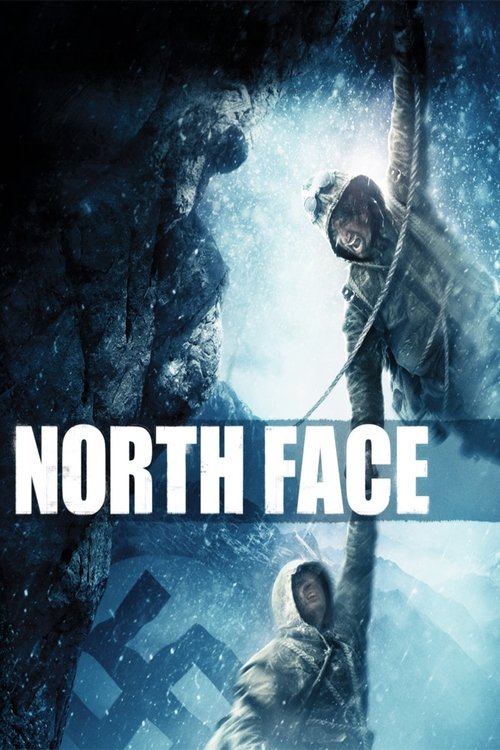
2008
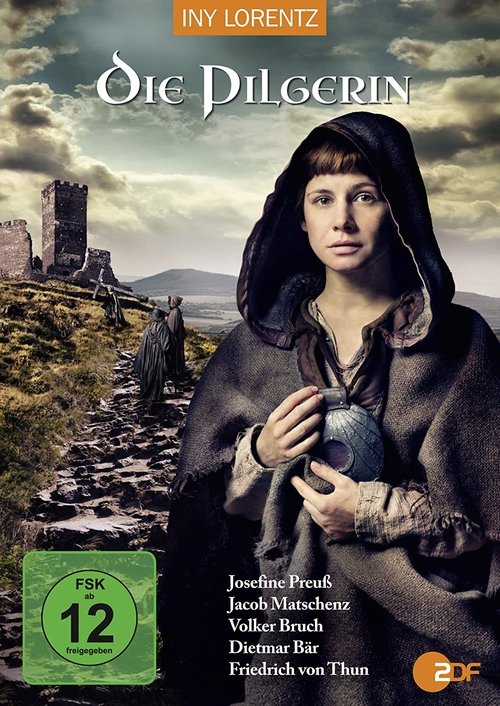
2014
2013
1959
2003
No reviews yet. Be the first to share your thoughts on this movie!
Use the rating form above to leave a star rating and optional review.