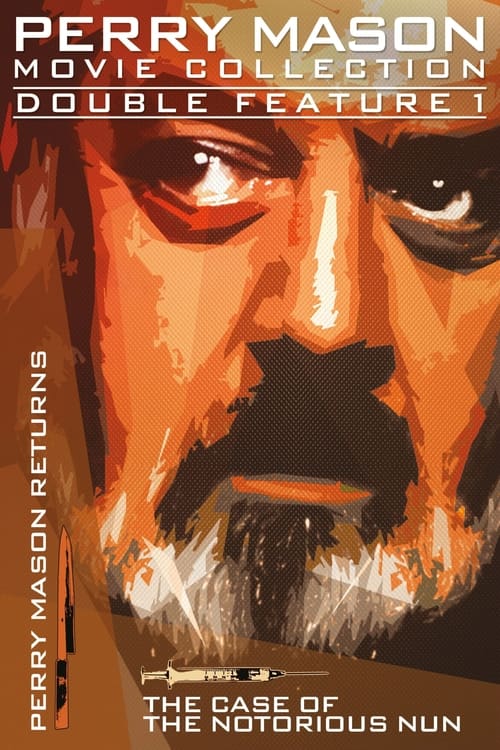
Perry Mason: The Case of the Notorious Nun
1986
No user ratings available yet
Representation score: 1.9 out of 10
Representation Score
Limited
1987
Director
Jud Taylor
Runtime
95 minutes
Average Rating
No ratings yetNew Showbiz Analysis
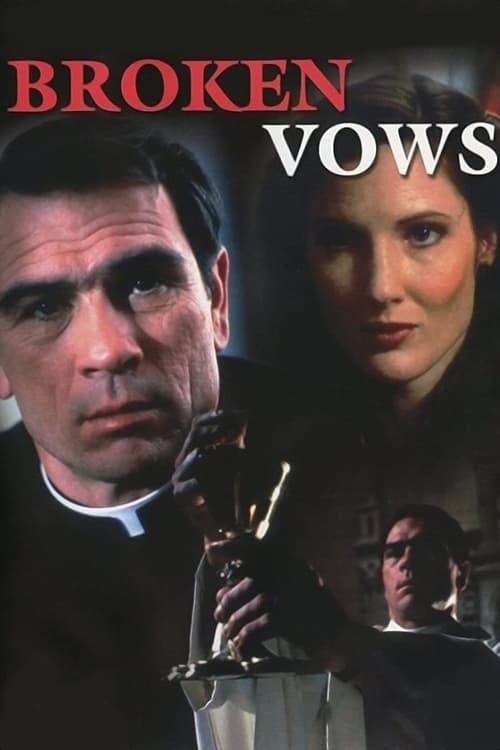
Broken Vows is a product of 1980s television conventions, emphasizing traditional moral frameworks and established social hierarchies. The narrative follows a standard mystery structure that lacks depth in representing diverse identities or cultural perspectives. The film relies heavily on familiar archetypes, such as the religious protagonist and the beautiful female catalyst. This approach favors conventional storytelling over nuanced identity representation. Ultimately, the work functions as a traditional drama, reinforcing existing institutional norms rather than challenging them through diverse casting or non-traditional character arcs.
Category Breakdown
The film does not include any explicit LGBTQ+ characters or non-cisgender identities. The storyline revolves around a traditional mystery-romance dynamic that adheres to conventional social norms.
The story features a male priest and a young woman who form an investigative team. Although the woman starts the plot, her portrayal depends on traditional beauty standards.
The setting implies a homogeneous, Western society. There is no indication of a diverse or multicultural cast within the narrative.
The story unfolds within the context of the Catholic Church. It focuses on a personal spiritual crisis rather than critiquing religious institutions.
A dying man serves as a narrative device to trigger the mystery. The film does not explore disability as a lived experience or issue of ability to act.
Present on Screen
Limited or Absent
Official Synopsis
When Father Joseph Hennessey visits the home of one of his parishioners to offer last rights,he becomes embroiled in a plot which ultimately shakes his faith to its very foundation. Intrigued by the dying man's mention of "Nim," and fascinated by the man's saintly demeanor, Father Joseph's curiosity is redoubled when a beautiful young woman enters his church to question the young priest about the deceased man. Father Joseph and the woman, whom he discovers to be the "Nim" in question, embark upon an investigation into the circumstances surrounding the man's death.
1986
1985
1992

2000

1979
1987

1999

2019
No reviews yet. Be the first to share your thoughts on this movie!
Use the rating form above to leave a star rating and optional review.