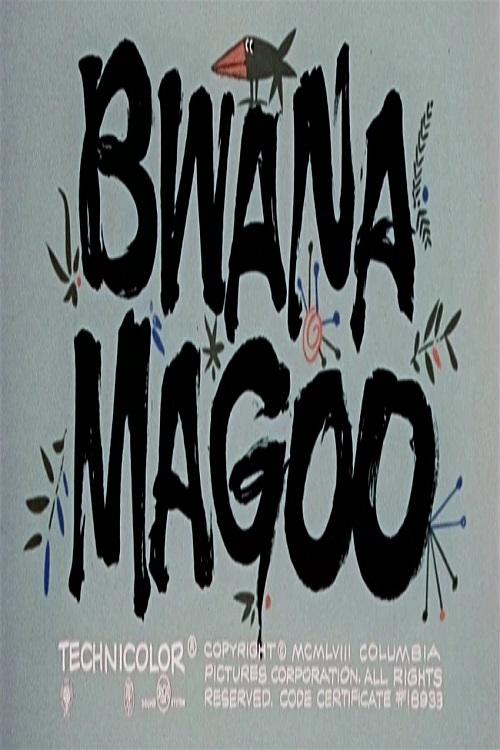
Bwana Magoo
1959
No user ratings available yet
Representation score: 0.6 out of 10
Representation Score
Limited
1950
ApprovedDirector
John Hubley
Runtime
7 minutes
Average Rating
No ratings yetNew Showbiz Analysis
John Hubley’s background in avant-garde animation suggests a potential for psychological depth and social nuance. However, this specific short functions primarily within the established comedic and mythological frameworks of 1950. The film's reliance on animal archetypes and a mythological quest provides a moderate level of cultural fluidity. Yet, it lacks the documented evidence of characters who reflect more than one aspect of diversity or systemic subversion necessary for a higher progressive rating. Ultimately, the work appears to be a product of its time, prioritizing a classic quest narrative over diverse character representation.
Category Breakdown
The film does not include any LGBTQ+ characters or identities that go beyond the assumption that everyone is straight and cisgender. While the 1950s era typically followed strict standards, the narrative remains neutral without using derogatory clichés.
The story focuses on animal protagonists, Fox and Crow, which may bypass traditional human gender hierarchies. However, there is little detail regarding the roles of female characters or challenging masculine leadership.
The narrative relies on anthropomorphic animal archetypes common to the era. There is no explicit evidence of a non-Anglo-Saxon majority cast or race-bent casting in this work.
The quest for the Fountain of Youth introduces mythological exploration. This focus shifts the narrative toward a secular, quest-driven framework rather than a strictly religious one.
There is no evidence of characters with visible or invisible disabilities. The provided context does not suggest any representation in this category.
Present on Screen
Limited or Absent
Official Synopsis
Fox and Crow attempt to find the fabled Fountain of Youth.
1959
1949
1941
1950
1939
1951
1952
1941
No reviews yet. Be the first to share your thoughts on this movie!
Use the rating form above to leave a star rating and optional review.