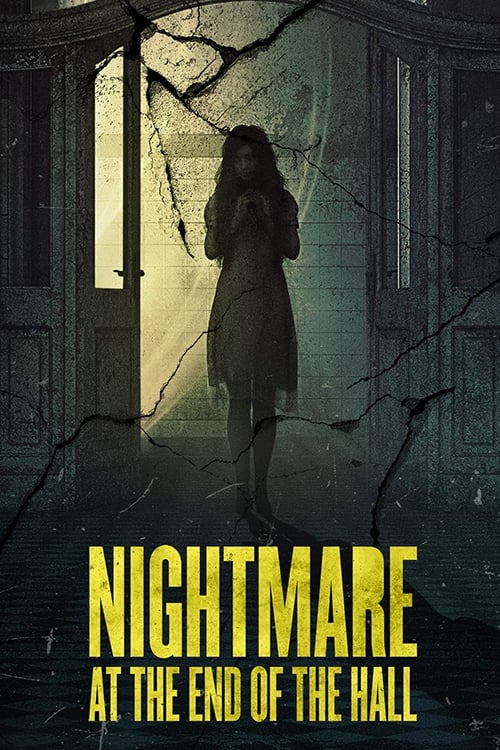
Nightmare at the End of the Hall
2008
No user ratings available yet
Diversity score: 3.7 out of 10

2007
PG-13Director
George Mendeluk
Runtime
90 minutes
Average Rating
No ratings yetSynopsis
Mourning the loss of her father, who committed suicide, Mackenzie starts having hallucinations of killing people. They seem so real that she's convinced she's been committing these crimes; however, she can find no evidence to support this. Is she losing her marbles, or is there something sinister at work around her?
Overall Score
Limited
Category Breakdown
LGBTQ+ Representation
The film lacks any evidence of LGBTQ+ characters or themes. It operates within a standard psychological thriller framework that does not prioritize queer narratives.
Gender Representation
Mackenzie, the female protagonist, drives the plot through her internal psychological crisis. However, the story focuses on her mental instability rather than subverting traditional gender hierarchies.
Racial & Ethnic Diversity
The narrative appears to follow conventional mid-2000s thriller tropes. There is no indication of a diverse cast beyond a likely homogeneous ensemble.
Religious & Cultural Diversity
The story explores individual grief and mental health following a suicide. It does not offer a systemic critique of Western social structures or cultural institutions.
Disability Representation
The plot centers on the protagonist's hallucinations and mental fragmentation. While it engages with neurodivergence, it remains a personal crisis rather than a study of social integration.
Strengths
Areas for Improvement
AI Analysis
I Know What I Saw is a conventional psychological thriller that adheres strictly to genre expectations. The narrative focuses on a singular protagonist's descent into perceived madness, which limits the scope for broader social or identity-based exploration. The film lacks intentionality in disrupting social hierarchies. It relies on established tropes of the mid-2000s, prioritizing individual trauma over intersectional representation or cultural subversion. Ultimately, the work functions as a character study of grief and instability. It does not actively engage with diverse perspectives or systemic critiques, resulting in a narrow narrative focus.
No reviews yet. Be the first to share your thoughts on this movie!
Use the rating form above to leave a star rating and optional review.