
Ninja Vengeance
1993
No user ratings available yet
Representation score: 4.0 out of 10
Representation Score
Limited
1985
NRDirector
Parvin Tramel
Runtime
90 minutes
Average Rating
No ratings yetNew Showbiz Analysis
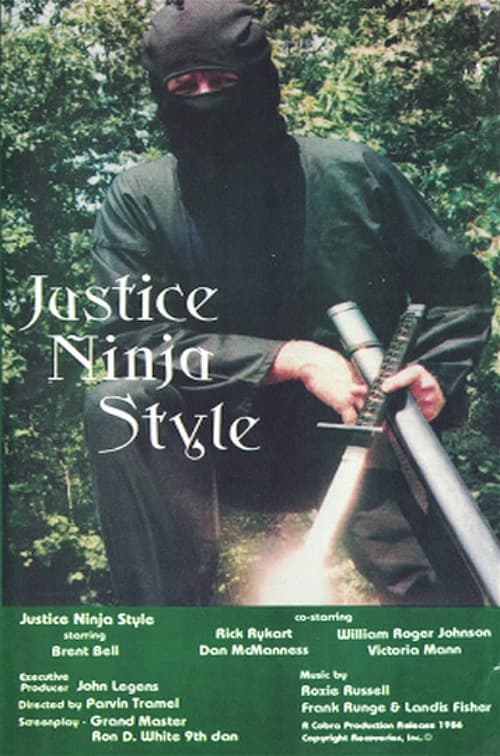
Justice Ninja Style is a mid-80s independent action film that prioritizes thematic subversion over demographic variety. The narrative relies heavily on the 'outsider versus corrupt establishment' cliché, using a martial arts instructor to expose systemic injustice within a small-town police force. While the film lacks representation for gender, race, or disability, it finds its strength in its anti-authoritarian stance. The plot deconstructs the perceived stability of local law enforcement, offering a critique of institutional power that distinguishes it from standard law-and-order stories. Ultimately, the film's diversity is found in its ideas rather than its character identities. It trades a diverse cast for a narrative that challenges the social order of the American Midwest.
Category Breakdown
The film does not include any LGBTQ+ characters or storylines related to non-assuming gender matches what was assigned at birth identities. The narrative focuses solely on martial arts and action genre clichés.
The story revolves around a traditionally masculine action hero archetype, emphasizing physical strength. Despite having a prominent female character, Victoria Mann, the narrative remains predominantly male-focused.
Set in the American Midwest, the film features a local posse and law enforcement. A mysterious ninja brings in non-Western traditions, but it is unclear if this adds ethnic depth.
The film strongly critiques institutional authority and police corruption. It challenges the stability of local governance by positioning the protagonist against a corrupt system.
There is no evidence of characters with physical, sensory, or neurodivergent disabilities. The cast and synopsis do not suggest any disability-related storylines.
Present on Screen
Limited or Absent
Official Synopsis
Brad Tolan is a martial arts instructor who moves to De Soto to open a karate school. he is framed by chief deputy George and his partner officer Grady for a murder he did not commit and is thrown in jail, uncertain if he will ever see a trial. with the help of a mysterious ninja, Brad escapes from jail and must evade capture while he tries to clear his name. when George forms a posse of angry townsfolk to take out the fugitive, it is up to brad and the ninja topple George and expose corruption on the force.
1993

1980
1991
1975

1987
1990
1979
1983
No reviews yet. Be the first to share your thoughts on this movie!
Use the rating form above to leave a star rating and optional review.