Sauvage
2018
No user ratings available yet
Diversity score: 6.4 out of 10
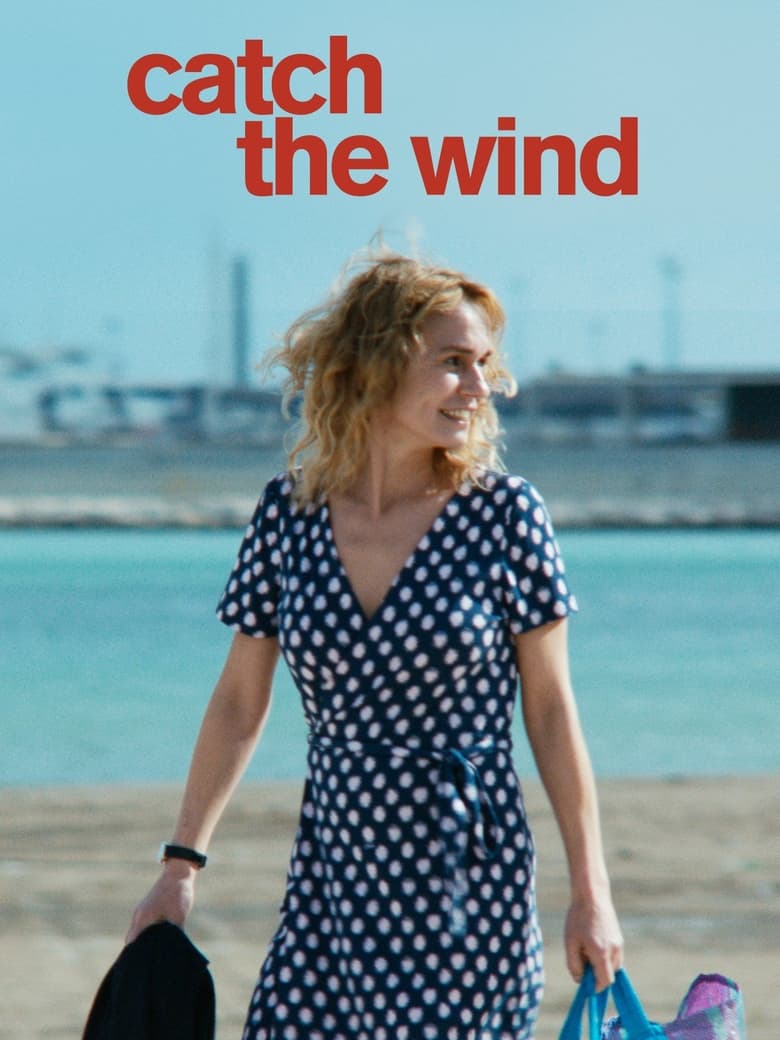
2017
Director
Gaël Morel
Runtime
103 minutes
Average Rating
No ratings yetSynopsis
Edith, a 45-year-old textile factory worker, sees her life turned upside down by the company’s downsizing measures. Estranged from her son and without any other ties, rather than go into unemployment, she decides to leave her life behind and follow her work at the factory which has been relocated in Morocco.
Overall Score
Good
Category Breakdown
LGBTQ+ Representation
The film offers a profound exploration of queer identity and desire. It centers a lesbian relationship as the primary driver of the narrative rather than a peripheral subplot.
Gender Representation
Female agency is central to the story, focusing on women navigating complex interpersonal landscapes. The characters' motivations prioritize self-actualization over traditional patriarchal hierarchies.
Racial & Ethnic Diversity
The narrative shifts from a French context to Morocco, introducing new cultural landscapes. However, the focus remains on the protagonist's journey rather than a broad ensemble of diverse perspectives.
Religious & Cultural Diversity
The film engages with themes of moral relativism and the deconstruction of social norms. It critiques the stability of traditional Western structures through the protagonist's search for personal liberation.
Disability Representation
There is no significant evidence regarding the portrayal of physical or neurodivergent disabilities within the film's thematic focus.
Strengths
Areas for Improvement
AI Analysis
Gaël Morel delivers a sophisticated drama that uses a queer-centric lens to challenge conventional social hierarchies. The film excels at weaving identity politics into a deeply personal human story, moving away from tired tropes toward a nuanced understanding of autonomy. The narrative's strength lies in its subversion of gendered dependency, centering female agency and desire. By making non-cisnormative intimacy the core of the character arcs, the film moves beyond mere inclusion into authentic lived experience. While the film explores new cultural environments through its Moroccan setting, it remains primarily a character study of the protagonist. This limits the breadth of racial and ethnic perspectives presented in the ensemble.
2018
2021
2017
2019
2024
2021
2012
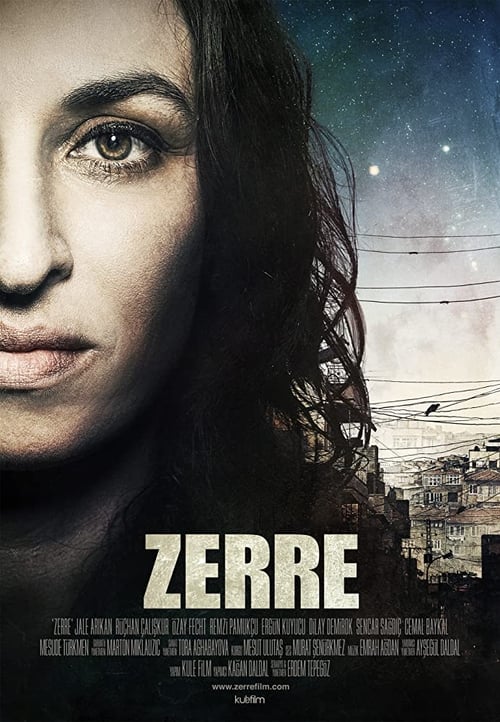
2012
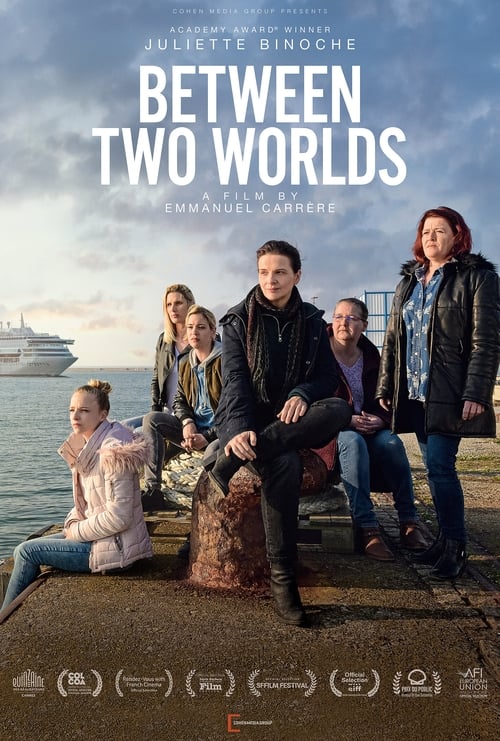
2022
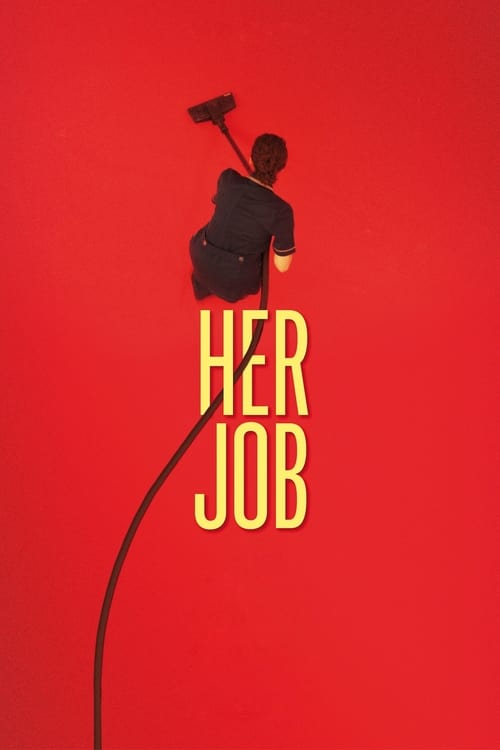
2019
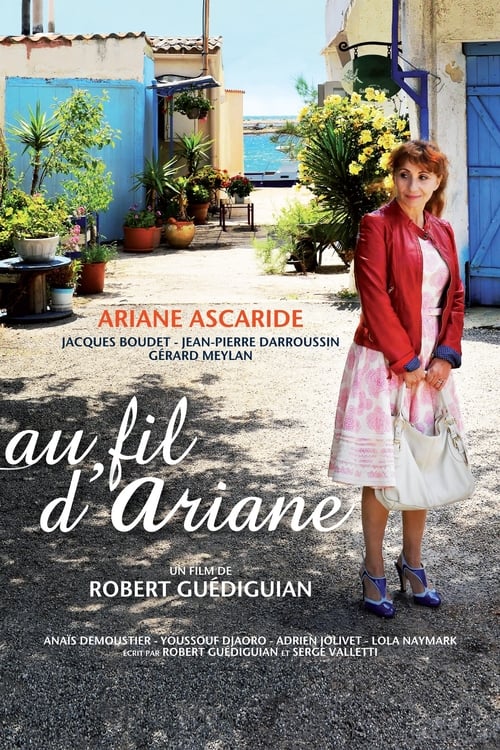
2014
2017
No reviews yet. Be the first to share your thoughts on this movie!
Use the rating form above to leave a star rating and optional review.