The Man with One Red Shoe
1985
No user ratings available yet
Representation score: 1.6 out of 10
Representation Score
Minimal
1997
PGDirector
Jon Amiel
Runtime
94 minutes
Average Rating
No ratings yetNew Showbiz Analysis
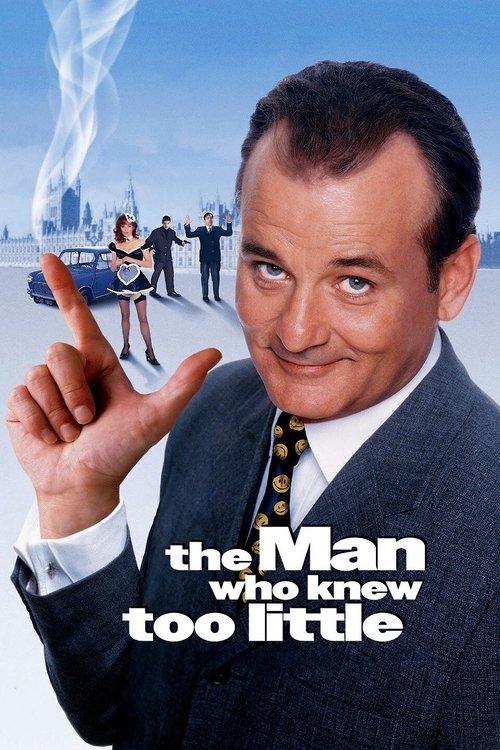
The film is a standard genre piece that prioritizes traditional narrative structures. It relies on the 'wrong man' cliché within a commercial framework that mirrors the social status quo of the late 1990s. While the protagonist offers a comedic subversion of the hyper-masculine spy, the underlying hierarchy remains male-centric. The lack of perspectives that reflect multiple aspects of identity or diverse casting results in a very homogeneous viewing experience. Ultimately, the film does not attempt to disrupt social hierarchies or introduce complex moral relativism, focusing instead on slapstick misunderstanding and conventional romantic dynamics.
Category Breakdown
The film adheres to a traditional structure that assumes everyone is straight or cisgender. There are no visible LGBTQ+ identities or queer-coded subtexts in the character arcs.
The story focuses on a male protagonist's journey. While the lead subverts hyper-masculine spy clichés through incompetence, the female lead primarily serves as a plot catalyst.
Casting and setting reflect a predominantly homogeneous demographic. The film lacks significant racial the way different parts of someone's identity overlap, leaning instead on a traditional Western ensemble.
The narrative operates within standard Western institutions without critiquing them. It functions as a commercial product rather than a commentary on systemic oppression or state authority.
There are no prominent depictions of visible or invisible disabilities. The protagonist's social awkwardness is used for comedy rather than exploring neurodivergence.
Present on Screen
Limited or Absent
Official Synopsis
An American gets a ticket for an audience participation game in London, then gets involved in a case of mistaken identity. As an international plot unravels around him, he thinks it's all part of the act.
1985
1980
2007
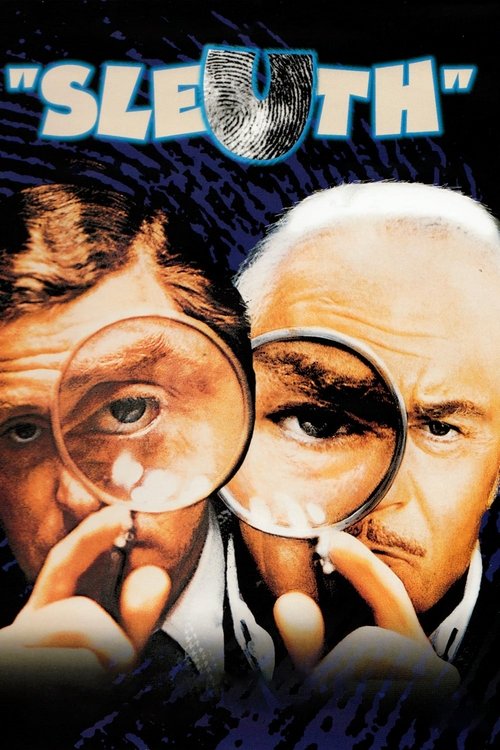
1972
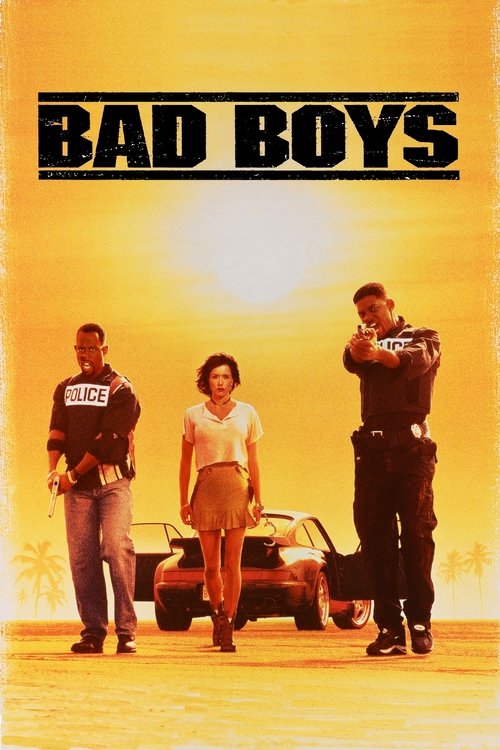
1995
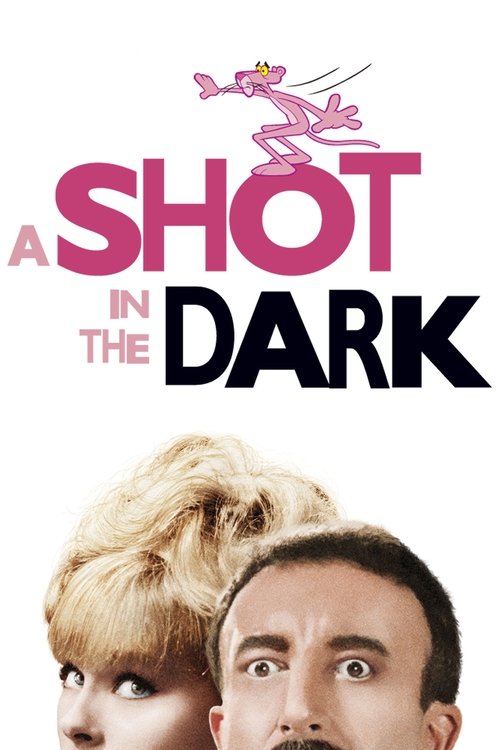
1964
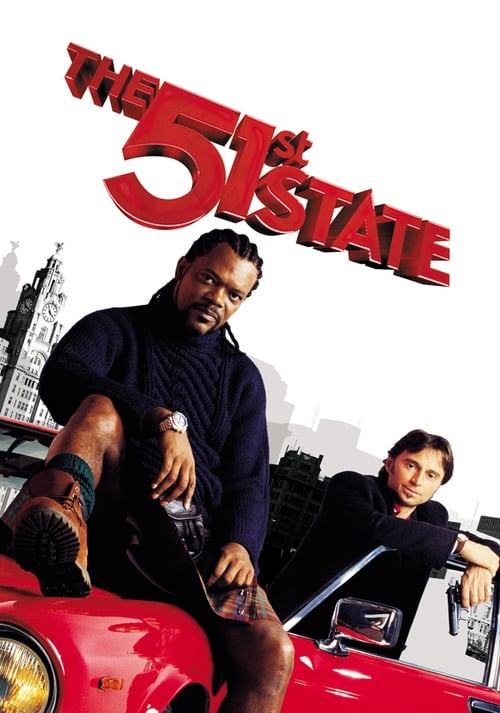
2001
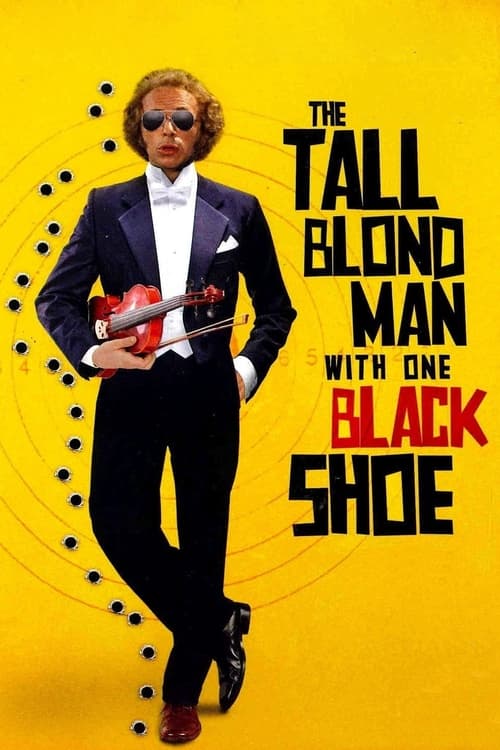
1972
No reviews yet. Be the first to share your thoughts on this movie!
Use the rating form above to leave a star rating and optional review.