The Red Shadow
1932
No user ratings available yet
No diversity score available
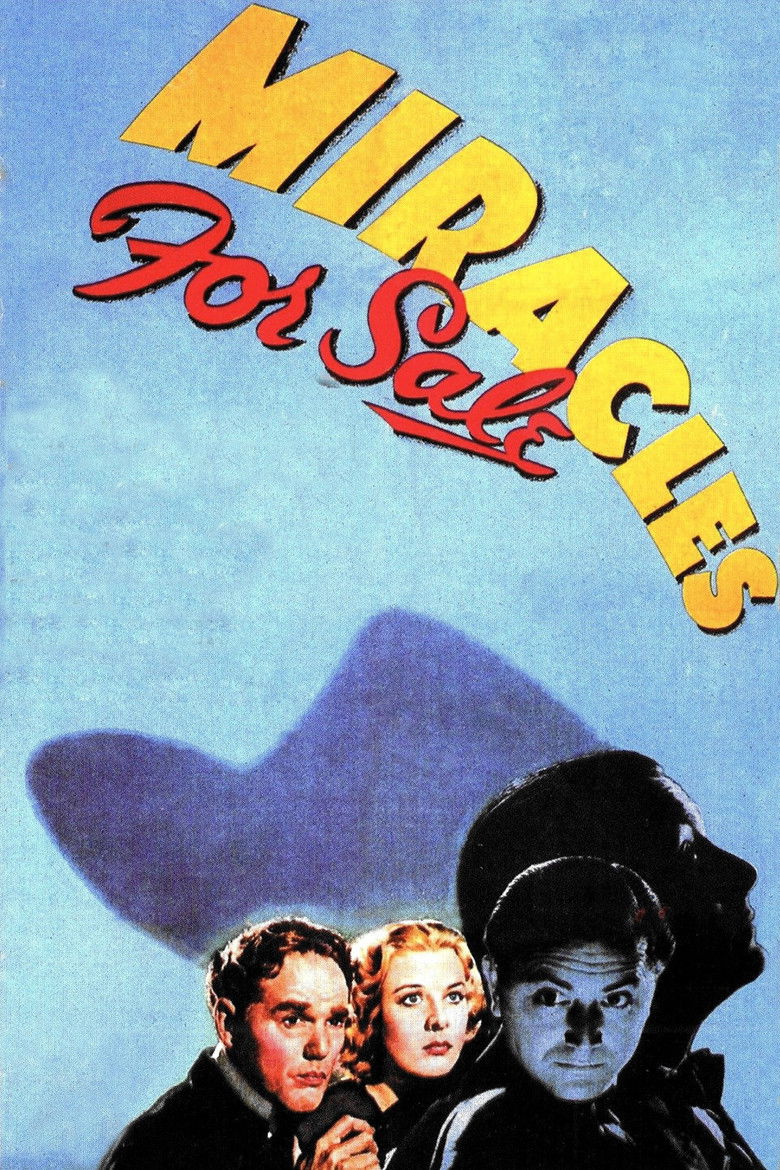
1939
NRDirector
Tod Browning
Runtime
71 minutes
Average Rating
No ratings yetSynopsis
A maker of illusions for magicians protects an ingenue likely to be murdered.
Overall Score
Fair
Category Breakdown
LGBTQ+ Representation
The film lacks discernible LGBTQ+ characters or narratives. It appears to adhere to the standard heteronormative social structures typical of the 1939 era.
Gender Representation
The narrative relies on the 'ingenue' trope, positioning the female lead as a passive subject. This reinforces traditional gendered dynamics where women react to male-driven mysteries.
Racial & Ethnic Diversity
Specific details regarding racial composition remain unconfirmed. The film likely reflects the homogeneous casting standards prevalent in Hollywood during this period.
Religious & Cultural Diversity
The story offers a critique of institutionalized faith by depicting miracles as tools for deception. This engagement with moral relativism disrupts ideas of absolute spiritual certainty.
Disability Representation
The sideshow setting suggests the inclusion of characters with physical differences. The film explores those on the periphery of society rather than relying solely on derogatory caricatures.
Strengths
Areas for Improvement
AI Analysis
Tod Browning’s direction brings a fascination with marginalized subcultures to this mystery. While the film explores the fringes of society through its sideshow setting, it remains tethered to the social limitations of 1939. The film finds its most progressive footing in its skepticism of religious authority. By treating miracles as illusions, the narrative challenges institutionalized certainty and explores a more secular, skeptical worldview. However, the work struggles with traditional character archetypes. The reliance on the 'ingenue' trope and the lack of visible racial diversity prevent a higher diversity score.
1932
1946
1941

1940
1949
1933
1943
1932
1940

1945
1936
1946
No reviews yet. Be the first to share your thoughts on this movie!
Use the rating form above to leave a star rating and optional review.