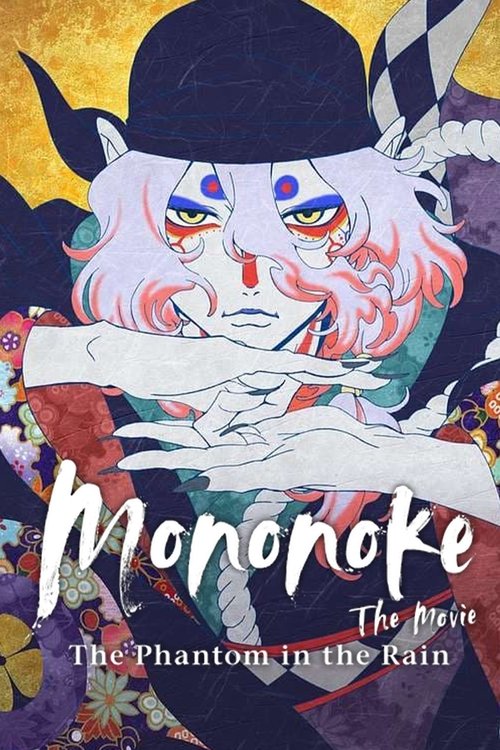
Mononoke the Movie: The Phantom in the Rain
2024
No user ratings available yet
Representation score: 6.0 out of 10
Representation Score
Limited
2026
Director
Kenji Nakamura, Tomoaki Koshida
Runtime
87 minutes
Average Rating
No ratings yetNew Showbiz Analysis
The film’s Ooku setting naturally foregrounds women, giving female characters narrative weight even as the Medicine Seller leads the investigation. This creates a gendered space where women are central to the conflict rather than peripheral. Culturally, the serpent god functions as a metaphor for institutional secrets and historical trauma, offering a critical lens on traditional power. However, the historical Japanese context limits racial diversity, and no LGBTQ+ or disability representation appears in the available material. Overall, the film leverages its setting for meaningful gender and cultural commentary but remains narrow in its representation across other dimensions.
Category Breakdown
No LGBTQ+ characters or same-sex romance appear in the plot or cast. The supernatural mystery and ancient grudges within the Ooku unfold without any indication of queer relationships or identities.
The Ooku setting places women like Sachiko and Asa at the heart of the mystery. Though the Medicine Seller drives the investigation, the narrative keeps female characters central to the conflict rather than marginalizing them.
Set in historical Japan with a Japanese voice cast, the film reflects its cultural context. The narrative focuses on Japanese mythology and local history, offering no cross-cultural casting or broader ethnic representation.
The story critiques hidden truths and ancient grudges within the powerful Ooku institution. The serpent god embodies dark history and conspiracy, suggesting a critical view of traditional power structures and their secrets.
No characters with physical or mental disabilities are mentioned in the synopsis or cast list. The narrative concentrates on supernatural threats and political conspiracies without including disability representation.
Present on Screen
Limited or Absent
Official Synopsis
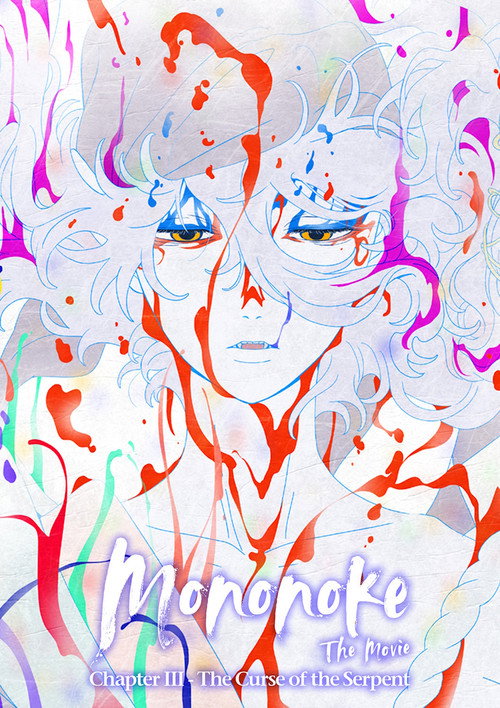
When tragedy strikes within the walls of the Ōoku, twisted human passions and festering grudges spawn the Medicine Seller's most fearsome opponent yet.
2024
2017
2025
2016
2012
2003
2015
No reviews yet. Be the first to share your thoughts on this movie!
Use the rating form above to leave a star rating and optional review.