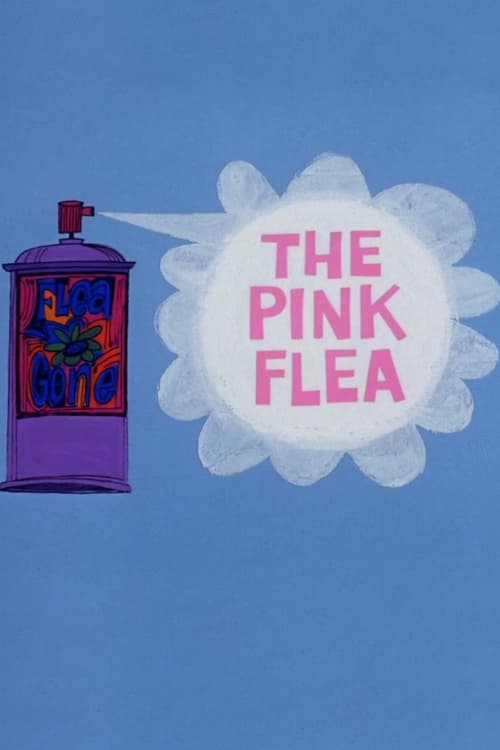
The Pink Flea
1971
No user ratings available yet
Representation score: 4.2 out of 10
No Poster Available
Representation Score
Minimal
1957
ApprovedDirector
Gene Deitch, Ernest Pintoff
Runtime
6 minutes
Average Rating
No ratings yetNew Showbiz Analysis
Flebus is a character-driven vignette focused on social friction. The plot centers around a gregarious protagonist whose social harmony is disrupted by an antagonist who refuses to conform to social expectations. While the directors' experimental background suggests a capacity for unconventional storytelling, the film lacks explicit representation of diverse identities. The narrative prioritizes interpersonal dynamics over broader identity-based themes. Ultimately, the work studies the breakdown of social cohesion without engaging with systemic power dynamics or diverse identity politics within its limited scope.
Category Breakdown
The film does not include any same-sex relationships or characters with non-binary gender identities. The story focuses solely on general social interactions.
There are no character descriptions or gender-specific dialogue in the context. The score reflects a neutral baseline without any indication of traditional gender roles or subversion.
The synopsis does not provide information about the racial or ethnic makeup of the characters. There is no meaningful representation or reliance on stereotypes.
The premise suggests a possible exploration of the tension between an individual and the community. It may touch upon the disruption of societal norms.
There is no mention of neurodivergence, physical disabilities, or mental health conditions. The character descriptions do not address these areas.
Present on Screen
Limited or Absent
Official Synopsis
The gregarious Flebus, whom everyone likes, grows desperate when he meets the one person who can't stand him.
1971
1959
1965
1947
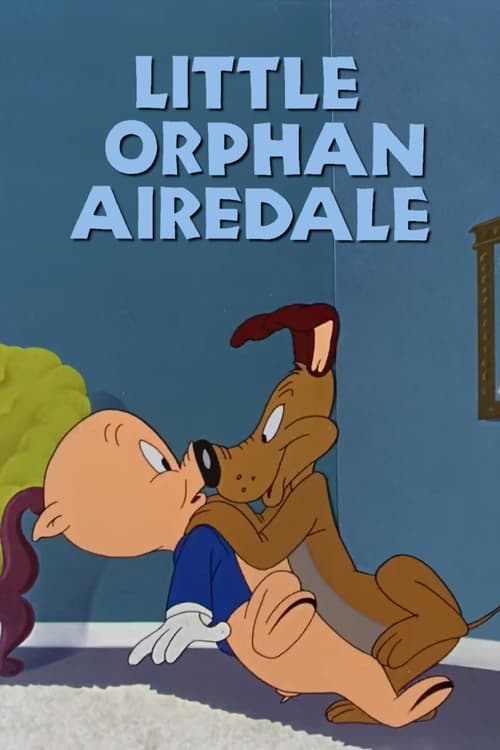
1947
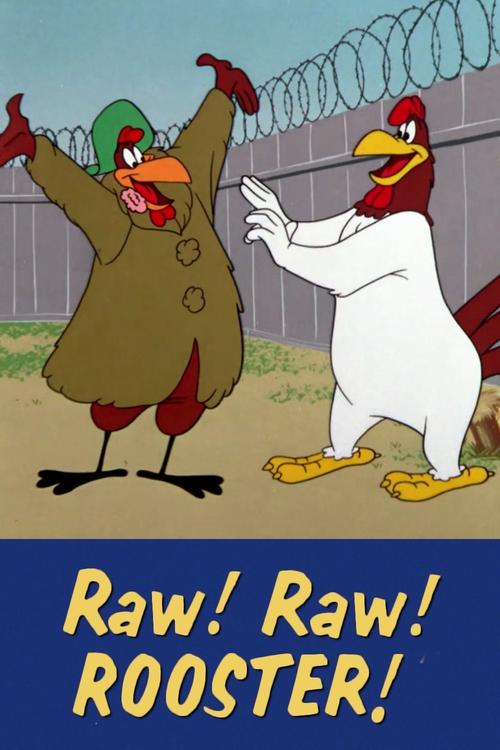
1956

1956

1961
No reviews yet. Be the first to share your thoughts on this movie!
Use the rating form above to leave a star rating and optional review.