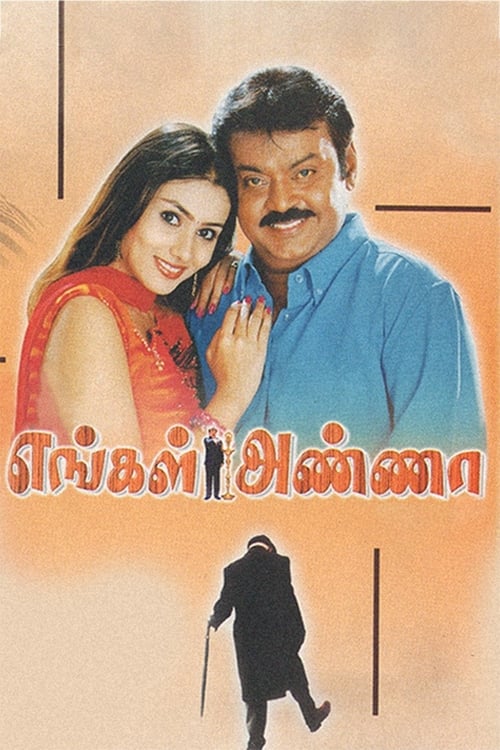
Engal Anna
2004
No user ratings available yet
Representation score: 2.8 out of 10
Representation Score
Minimal
2004
Director
V. V. Vinayak
Runtime
155 minutes
Average Rating
No ratings yetNew Showbiz Analysis
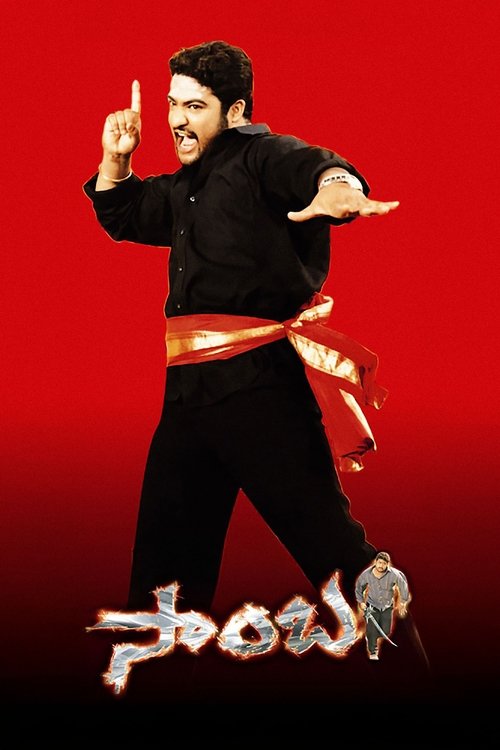
Samba is a quintessential early-2000s masala action film that prioritizes established genre conventions over social progress. The story relies heavily on hyper-male clichés and traditional family dynamics to drive its conflict. While the protagonist's mission to expand educational access introduces a localized social motivation, the film remains rooted in patriarchal values and individual heroism. It does not attempt to deconstruct social hierarchies or provide multi-layered representation. Ultimately, the film functions as a standard commercial drama, focusing on tribal loyalty and physical dominance rather than diverse or progressive characterizations.
Category Breakdown
The film does not include any LGBTQ+ characters or non-straight relationships. All romantic elements revolve around traditional heterosexual couples.
The story follows a traditional structure where the hyper-masculine protagonist drives the plot. Female characters mainly serve supportive or romantic roles, reinforcing conventional gender roles.
The cast is culturally uniform, reflecting the South Indian film industry. It maintains a consistent regional identity without evidence of whitewashing or Western-centric casting.
Themes focus on family honor, blood feuds, and patriarchal lineage. While the hero aims to democratize education, justice is delivered through individual vigilantism rather than systemic reform.
There are no visible or invisible disabilities portrayed as central to the character arcs or narrative development.
Present on Screen
Limited or Absent
Official Synopsis
Samba and Pasupathi vie for each other's blood due to an old family feud. Samba wishes to further his dad's dream of making education available to all but Pasupathi stands in his way.
2004
2019
2013
2006
2002

2012
2004

2004
No reviews yet. Be the first to share your thoughts on this movie!
Use the rating form above to leave a star rating and optional review.