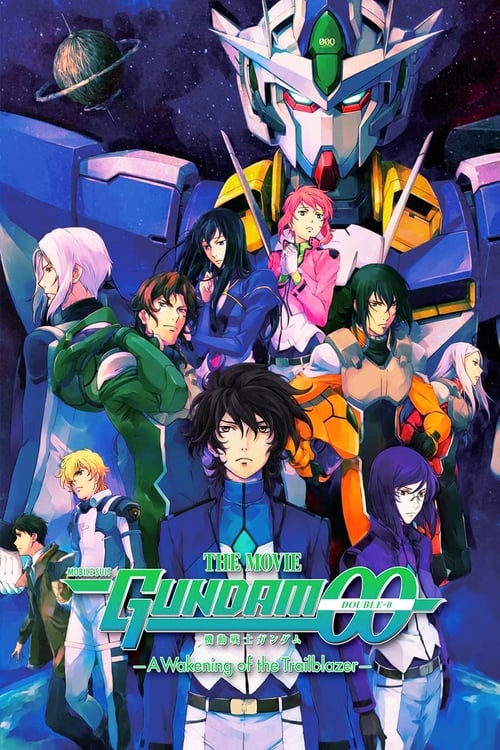
Mobile Suit Gundam 00 The Movie: -A Wakening of the Trailblazer-
2010
No user ratings available yet
Representation score: 7.7 out of 10
Representation Score
Good
2010
TV-14Director
Toshimasa Suzuki, Hideya Takahashi, Takashi Noto
Runtime
95 minutes
Average Rating
No ratings yetNew Showbiz Analysis
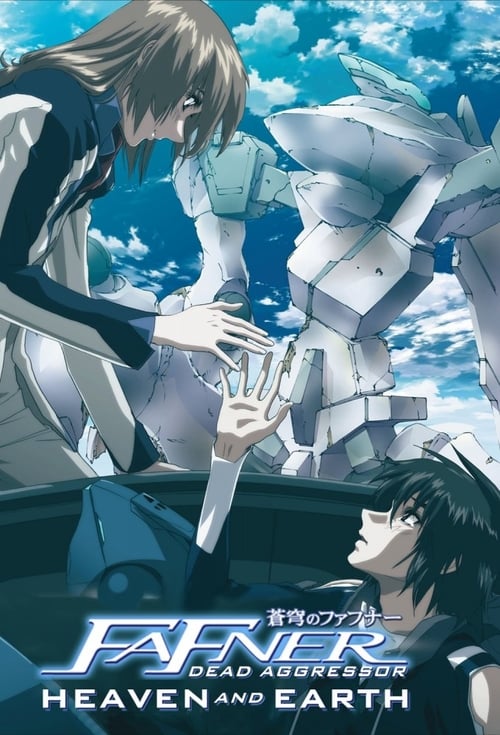
Fafner: Heaven and Earth is a sophisticated science fiction film that focuses on psychological depth rather than broad demographic representation. Its strengths lie in its gender-inclusive ability to act and its complex, existentialist worldview. The film challenges traditional social structures through its character-driven narrative. However, the film remains limited by its lack of visible LGBTQ+ and racial diversity. The insular, homogenous setting of Tatsumiya Island results in a narrow scope of representation.
Category Breakdown
The film does not explicitly include characters with non-binary gender identities or same-sex romantic relationships. While characters have strong emotional connections, the story does not provide clear visual cues for LGBTQ+ representation.
Female characters play key roles in driving the plot through their technical expertise and tactical decisions. They often surpass traditional military hierarchies, challenging conventional ideas of masculine leadership.
The film is set on Tatsumiya Island, which is portrayed as a closed and homogeneous society. The cast is predominantly Japanese, reflecting the cultural context of this post-apocalyptic world.
The story critiques systemic social structures and the fragility of peace using a post-humanist perspective. It explores the struggle of consciousness against the 'other.'
The film examines invisible disabilities through the psychological trauma and neuro-existential distress experienced by the pilots. However, it does not represent physical or sensory disabilities.
Present on Screen
Limited or Absent
Official Synopsis
The year is 2148. Two years have passed since the world was defended from the mysterious Festum, leaving the world in peace. Soushi promised Kazuki that he would one day return to Tatsumiya Island but instead he still keeps himself hidden, living his life in the peace that he created. But one day a mysterious ship arrives at Tatsumiya Island... a ship with nobody but a single sleeping girl on board. The peace isn't going to last as long as everyone might hope...
2010
2019
2010
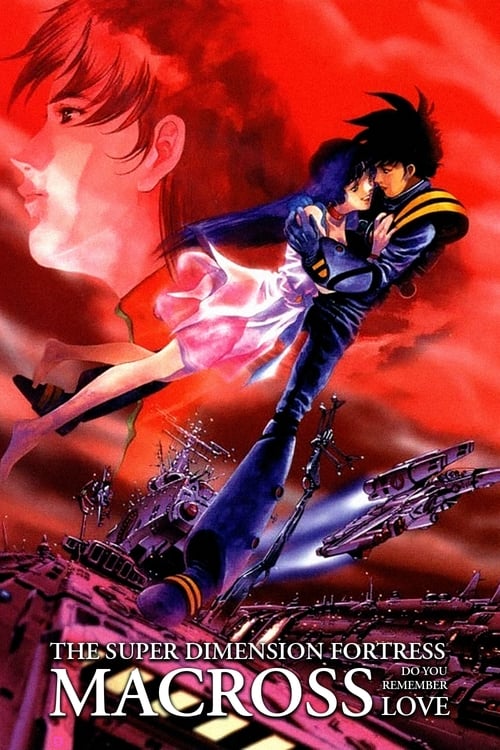
1984

2010
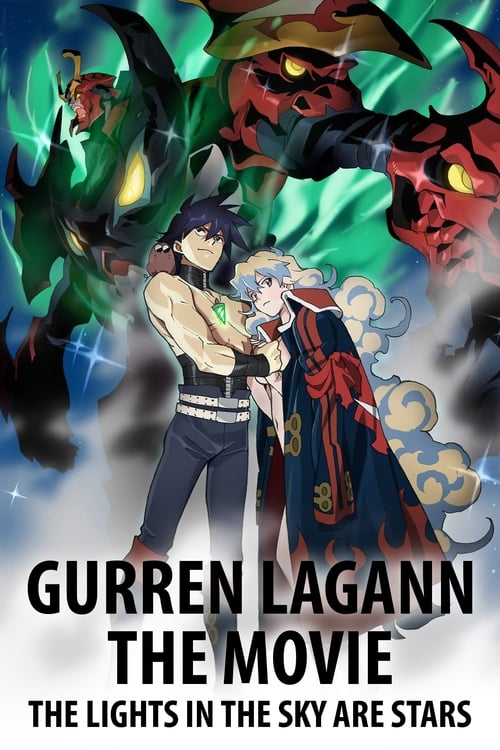
2009
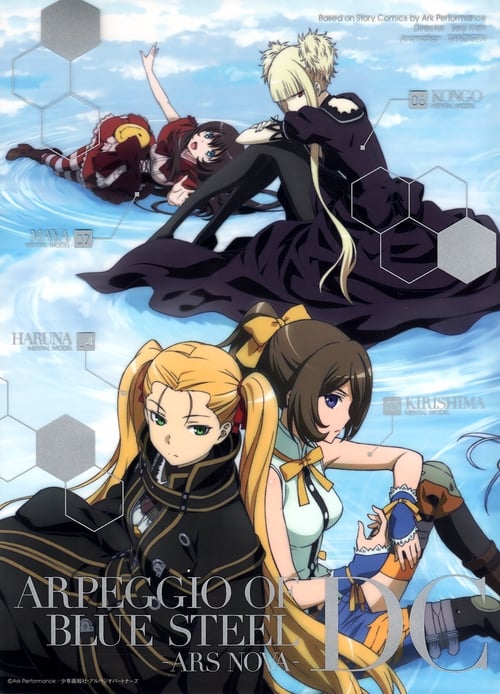
2015
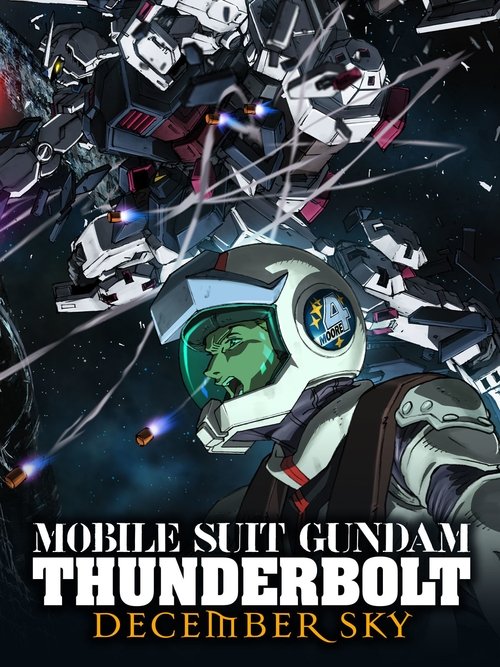
2016
No reviews yet. Be the first to share your thoughts on this movie!
Use the rating form above to leave a star rating and optional review.