Monstrous
2020
No user ratings available yet
Representation score: 3.3 out of 10
Representation Score
Limited
2012
Not RatedDirector
Corey Grant
Runtime
89 minutes
Average Rating
No ratings yetNew Showbiz Analysis
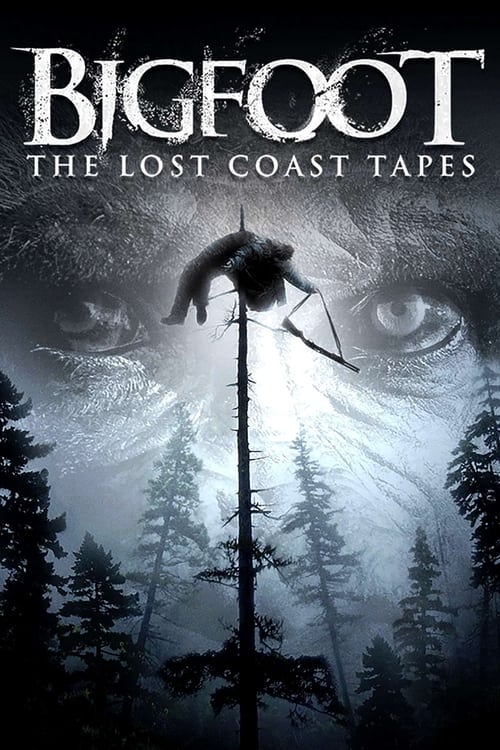
Bigfoot: The Lost Coast Tapes operates as a conventional found-footage horror film. It prioritizes genre clichés and suspense over sociological commentary or storytelling that reflects multiple aspects of identity. The narrative is built around individualist pursuits of truth and traditional investigative formulas. The production follows a standard, homogeneous casting model typical of low-budget independent horror. It lacks the intentionality needed to disrupt established social hierarchies or provide nuanced representation across most identity categories. Ultimately, the film functions as a narrow genre piece. It focuses on a singular male-driven obsession, leaving little room for diverse perspectives or complex social subversion.
Category Breakdown
The film does not include any LGBTQ+ characters or stories about non-cisgender identities. The plot revolves around the investigative tension between the main character and his subject.
The story focuses on a male protagonist who is driven by professional obsession. There is no evidence of female characters having significant roles or ability to act.
The narrative centers on an investigative journey in Northern California. There is no mention of a diverse or non-Anglo-Saxon majority cast.
The film explores themes of professional obsession and skepticism. However, it does not include any critiques of Western institutions or anti-establishment sentiments.
The film does not feature any characters with visible or invisible disabilities. Neurodivergence is not used as a narrative element.
Present on Screen
Limited or Absent
Official Synopsis
Sean Reynolds, a highly acclaimed investigative journalist (who strongly believed in paranormal phenomena), destroyed his career when the most watched episode of his reality show, based on paranormal phenomena, turned out to be a hoax. Sean saw a news report on a "Bigfoot Hunter" (Carl Drybeck) who claimed to possess the body of a dead Sasquatch. He believes Drybeck is a phony and decides to create a new show that reveals people's paranormal claims as hoaxes. Sean assembles his old film crew and heads to Northern California's "Lost Coast" to meet with and interview Drybeck. Obsessed, Sean is staking his comeback, his life and the lives of his documentary film crew on proving Drybeck's claim to be a hoax.
2020
2005
2019
2012
2019
2020
2012
2013
No reviews yet. Be the first to share your thoughts on this movie!
Use the rating form above to leave a star rating and optional review.