
Ranczo Wilkowyje
2007
No user ratings available yet
Representation score: 2.6 out of 10
Representation Score
Limited
2004
PGDirector
Janusz Zaorski
Runtime
91 minutes
Average Rating
No ratings yetNew Showbiz Analysis
Saved by a Miracle is a traditional historical drama centered on religious obligation and historical realism. It emphasizes spiritual continuity and conventional social structures over challenging traditional hierarchies. The film's focus on a male protagonist fulfilling a religious vow in 1960s Poland adheres to the era's demographic and social norms. While it provides a character study of a man dealing with the aftermath of war injuries, it lacks depth in exploring multiple aspects of identity. Ultimately, the work serves as a character-driven piece that upholds established cultural and religious traditions without questioning them.
Category Breakdown
The film follows the traditional social structures of 1960s Masuria. There are no representations of LGBTQ+ identities or critiques of heterosexuality.
The male protagonist, Mikołaj Biesaga, holds the majority of the narrative's focus. The story does not challenge traditional masculinity or offer diverse portrayals of women.
The story is set in 1960s Poland and focuses on a likely homogeneous ethnic population. There is no evidence of diverse casting that challenges regional demographics.
The plot revolves around a religious vow to the Blessed Virgin Mary, reinforcing traditional Christian morals and the importance of spiritual duty.
The protagonist's war injuries provide a framework for exploring physical disability and its psychological impact. Despite his condition, he retains a significant role in driving the narrative.
Present on Screen
Limited or Absent
Official Synopsis
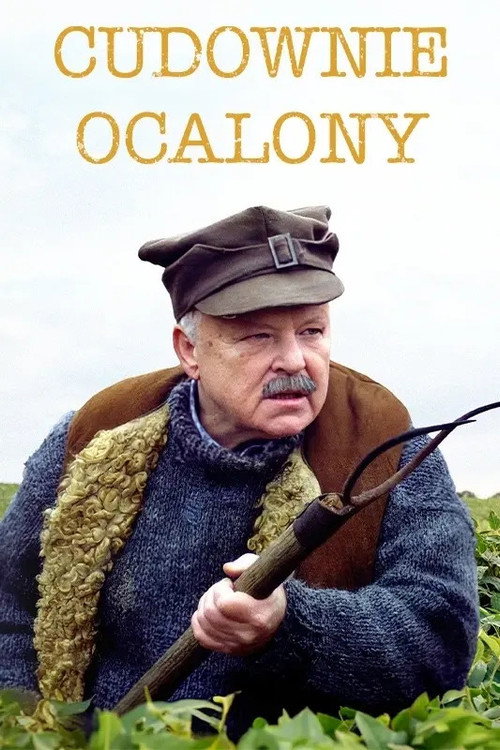
The 1960s in Masuria. Mikołaj Biesaga, seriously injured during the war, swore that if he survived, he would build a chapel to the Blessed Virgin Mary. Years passed, and the "miraculously saved" person did not keep his promise. Now feeling that it is probably time to die, he decides to fulfill his obligations.
2007

2012

1989

2022

1996

2019

1998

2023
No reviews yet. Be the first to share your thoughts on this movie!
Use the rating form above to leave a star rating and optional review.