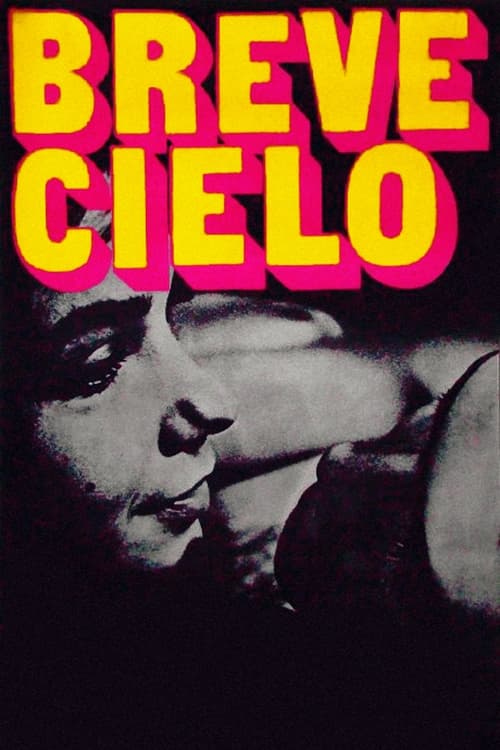
Brief Heaven
1969
No user ratings available yet
Representation score: 5.7 out of 10
Representation Score
Good
1998
RDirector
Jana Boková
Runtime
96 minutes
Average Rating
No ratings yetNew Showbiz Analysis
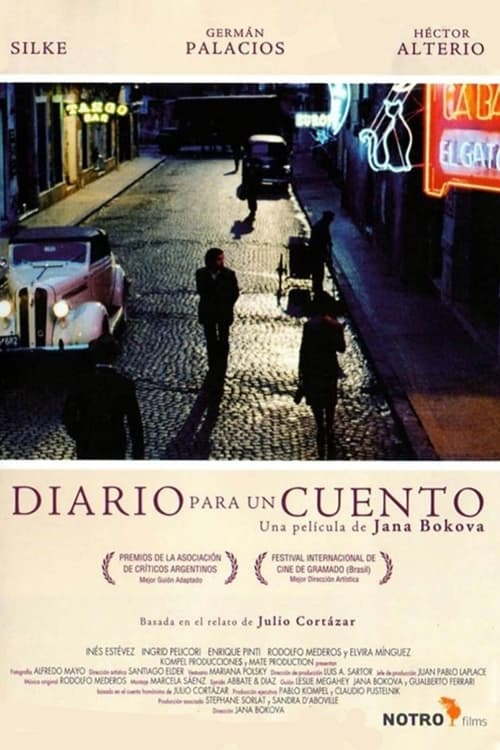
Diary for a Tale is a study of social margins that uses the Buenos Aires port to explore the boundaries of its characters. The film succeeds by breaking down the divide between high art and low social status, treating the correspondence of sex workers as a primary source of creative truth. By presenting these underrepresented voices as sources of literary inspiration, the film challenges traditional hierarchies of intellect and social worth. It offers a progressive exploration of subjective experience, prioritizing the control of those typically silenced by mainstream institutions. While the film provides a strong critique of social hierarchies, specific details regarding racial casting and explicit queer identities remain unconfirmed.
Category Breakdown
The film delves into the personal lives of sex workers, emphasizing their emotional and romantic relationships. This approach challenges the assumption that everyone is straight or cisgender by validating unconventional interpersonal connections.
The narrative focuses on women working in an exploitative industry. By highlighting their private conversations, the film highlights their subjectivity within a male-dominated port environment.
Set in Buenos Aires, the film showcases the social stratification of Argentine port life. It presents a diverse, working-class community rather than a homogeneous, upper-class narrative.
The story centers on perspectives outside traditional Western institutional norms. It prioritizes the lived experiences of those sidelined by conventional social hierarchies and morality.
There is no evidence of characters navigating physical, sensory, or neurodivergent disabilities.
Present on Screen
Limited or Absent
Official Synopsis
A young man works in the port of Buenos Aires translating the love letters that prostitutes receive and seeks inspiration for his works in them.
1969
1992
1974

1956
1985
2016

2010
1972
No reviews yet. Be the first to share your thoughts on this movie!
Use the rating form above to leave a star rating and optional review.