
In My Skin
2002
No user ratings available yet
Representation score: 6.7 out of 10
Representation Score
Good
1999
Director
Marina de Van
Runtime
13 minutes
Average Rating
No ratings yetNew Showbiz Analysis
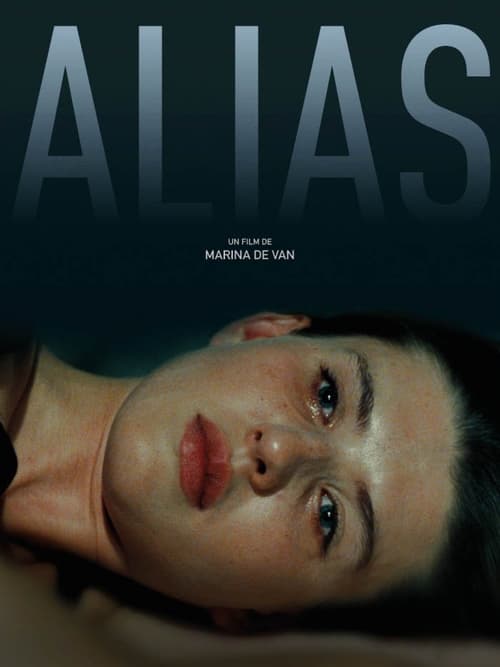
Alias is a psychological study of identity erosion that prioritizes thematic depth over broad demographic representation. It successfully challenges traditional gender hierarchies, moving away from passive victimhood to a more complex, destabilizing role for its female protagonist. However, the film remains socially homogeneous, with a predominantly white and European cast. It lacks queer perspectives or multi-layered racial complexity. The narrative focuses narrowly on a specific, localized psychological breakdown. Ultimately, the film's value lies in its postmodern critique of social structures rather than its representation of diverse identities. It offers a deep, claustrophobic exploration of the dissolution of the self.
Category Breakdown
The film does not include any explicitly LGBTQ+ characters or non-straight relationships. The story centers around a volatile, one-sided romantic obsession between heterosexual characters.
The story challenges traditional gender roles by focusing on a woman's psychological journey. It avoids the passive damsel in distress cliché by showing her active role in the unfolding events.
The cast is predominantly white and European, reflecting a homogeneous social setting. There is little representation of non-Anglo-Saxon cultures.
The film portrays a moral relativism and the breakdown of social norms. It emphasizes subjective experiences and the collapse of civilized behavior over traditional moral resolutions.
Obsessive and fixated behaviors are used to drive the plot, but these are portrayed as psychological thriller elements rather than a focused look at disability.
Present on Screen
Limited or Absent
Official Synopsis
On her birthday, Juliette is too upset to worry about the strange cleaner who imitates her every move and lusts after her clothing.
2002

2005
2009

2013

1998

2018

2002
2014
No reviews yet. Be the first to share your thoughts on this movie!
Use the rating form above to leave a star rating and optional review.