
Invisible Hero
2021
No user ratings available yet
Representation score: 4.7 out of 10
Representation Score
Fair
2004
Director
Prawaal Raman
Runtime
138 minutes
Average Rating
No ratings yetNew Showbiz Analysis
Gayab follows a traditional masculine narrative arc centered on a single protagonist's quest for personal justice. The narrative structure prioritizes individual empowerment through a supernatural lens, aligning with the commercial conventions of early 2000s Bollywood. While the film functions well within its specific cultural context, it lacks intentional characters who reflect more than one aspect of diversity. The themes of revenge and power are handled through standard genre clichés rather than through critiques of social or systemic hierarchies. Ultimately, the film's reliance on a transformative physical state as a mere plot device limits its depth. It avoids exploring lived experiences, focusing instead on a conventional morality tale of retribution.
Category Breakdown
The film does not include any explicit representation of non-binary or transgender identities. It features traditional fantasy-comedy characters typical of the early 2000s.
The story revolves around a male protagonist's journey towards empowerment and self-discovery. There is no indication of female characters driving the plot or challenging traditional gender roles.
The cast is predominantly of Indian ethnicity, reflecting the film's cultural setting. It does not use diverse casting to address ethnic hierarchies or promote Western-centric dominance.
The narrative adheres to established social and moral frameworks common in mainstream Indian cinema. It focuses on personal retribution rather than systemic critiques or anti-capitalist themes.
Disability is used as a supernatural plot device rather than a nuanced exploration of lived experiences. The condition serves as a tool for narrative convenience and revenge.
Present on Screen
Limited or Absent
Official Synopsis
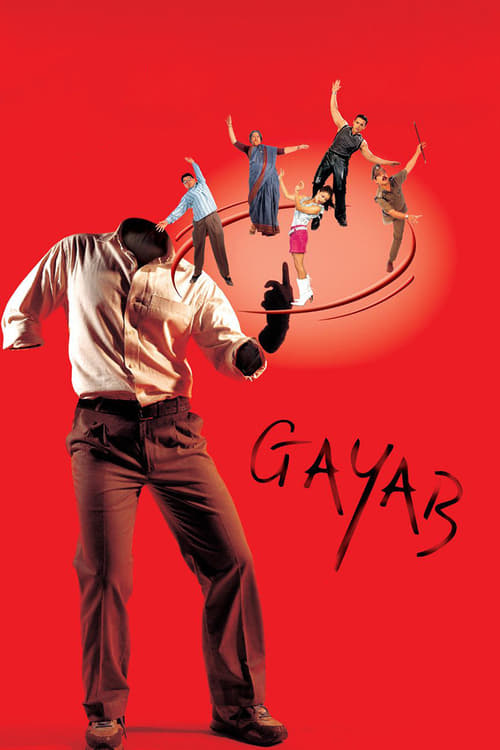
When Vishnu Prasad Singh wishes he were invisible, the last thing he expects is that it would really happen. Once he cannot be seen, he turns to take revenge on all he thinks have wronged him.
2021

2005
2014

2019
2022
2007
2009
1994
No reviews yet. Be the first to share your thoughts on this movie!
Use the rating form above to leave a star rating and optional review.