
SLC Punk
1998
No user ratings available yet
Representation score: 5.6 out of 10
Representation Score
Excellent
2003
RDirector
Fenton Bailey, Randy Barbato
Runtime
98 minutes
Average Rating
No ratings yetNew Showbiz Analysis
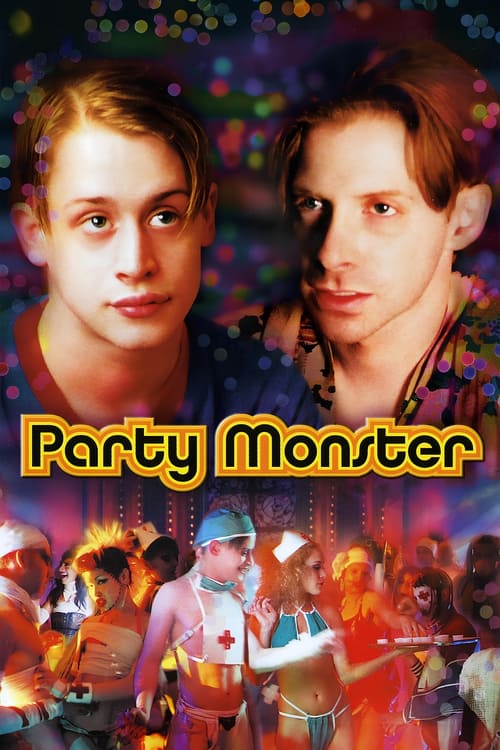
Party Monster excels in its commitment to queer-centric storytelling, disrupting traditional Western moral and gender hierarchies. The film uses camp aesthetics to deconstruct standard masculine dominance, presenting a self-contained ecosystem where social clout and stylistic subversion replace traditional patriarchal power structures. While the film captures a diverse, multi-ethnic urban environment, its narrow focus on central characters limits the exploration of racial ability to act. Additionally, the depiction of health crises lacks a focus on character's ability to drive the story.
Category Breakdown
The film focuses on the New York club scene, highlighting non-straight lifestyles and exploring the nuances of queer communities. It replaces traditional expectations with a focus on camp aesthetics, emphasizing the unique social structures and identity performances within this setting.
Traditional masculine roles are largely absent, replaced by characters driven by aesthetic influence and social status. Power dynamics are shaped by charisma and style rather than traditional patriarchal structures.
The film showcases a multi-ethnic urban subculture typical of New York nightlife. However, the narrative focuses primarily on the central characters, limiting the exploration of racial ability to act among supporting characters.
The film challenges Western moralities by presenting hedonism and social deception as integral to a specific lifestyle. It critiques mainstream institutions by elevating a 'club royalty' that operates outside conventional frameworks.
The film touches on the physical and psychological tolls of the era's lifestyle. However, chronic illness is often portrayed as a consequence of character choices rather than through a lens of ability to act.
Present on Screen
Limited or Absent
Official Synopsis
The New York club scene of the 80s and 90s was a world like no other. Into this candy-colored, mirror ball playground stepped Michael Alig, a wannabe from nowhere special. Under the watchful eye of veteran club kid James St. James, Alig quickly rose to the top... and there was no place to go but down.
1998
1998
1998
1997

2003
1984
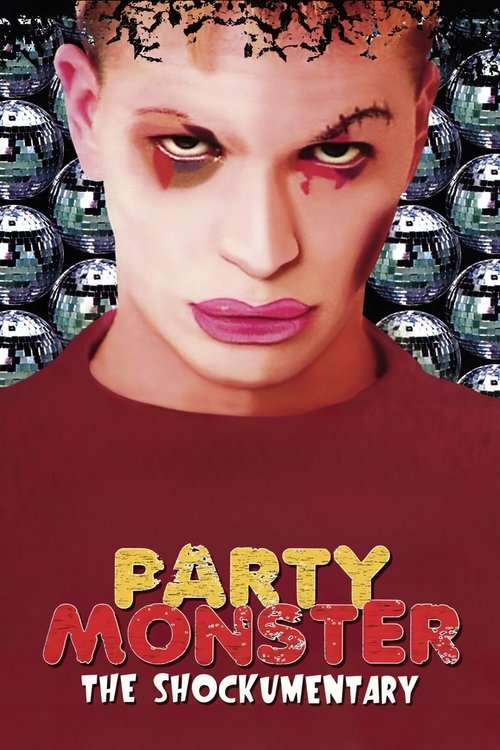
1998
1987
No reviews yet. Be the first to share your thoughts on this movie!
Use the rating form above to leave a star rating and optional review.