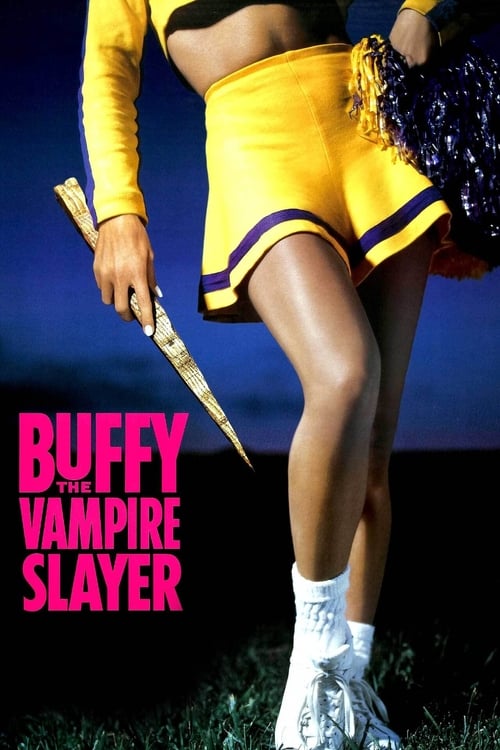
Buffy the Vampire Slayer
1992
No user ratings available yet
Representation score: 4.9 out of 10
Representation Score
Limited
2007
RDirector
Jon Knautz
Runtime
85 minutes
Average Rating
No ratings yetNew Showbiz Analysis
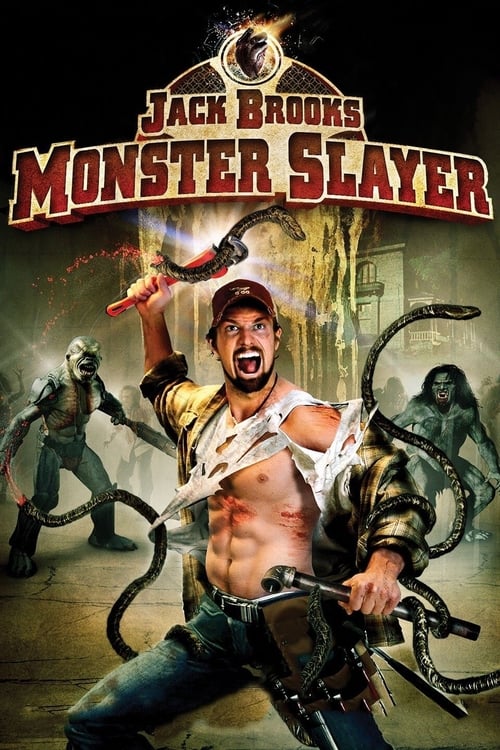
Jack Brooks: Monster Slayer operates strictly within the confines of traditional horror and action clichés. The narrative structure prioritizes genre-specific archetypes over diverse perspectives or meaningful representation. The film relies on conventional character dynamics, such as the traumatized hero and the pestering female foil. These elements reinforce standard Western genre conventions rather than offering diverse representation. Ultimately, the work lacks significant engagement with racial, gender, or LGBTQ+ diversity, focusing instead on a narrow, homogeneous view of its central characters and their struggles.
Category Breakdown
The film does not include any LGBTQ+ characters or stories that challenge the idea that everyone is straight. The main relationship in the film is between the protagonist and his girlfriend, following a traditional heterosexual dynamic.
Gender roles in the film seem to rely on conventional stereotypes. Describing the girlfriend as 'pestering' suggests a reliance on the annoying female foil archetype rather than giving the female character more ability to act.
There is no indication of a diverse cast or non-Anglo-Saxon representation. The character types follow standard Western genre conventions that default to a homogeneous group.
The narrative explores trauma and psychological dysfunction using standard horror clichés. It does not prioritize the deconstruction of traditional morality or systemic cultural critiques.
While the protagonist deals with psychological trauma, there is no evidence of nuanced neurodivergent representation. Mental health elements appear to serve primarily as horror plot devices.
Present on Screen
Limited or Absent
Official Synopsis
As a child Jack Brooks witnessed the brutal murder of his family. Now a young man he struggles with a pestering girlfriend, therapy sessions that resolve nothing, and night classes that barely hold his interest. After unleashing an ancient curse, Jack's Professor undergoes a transformation into something not-quite- human, and Jack is forced to confront some old demons... along with a few new ones.
1992
2020
2005
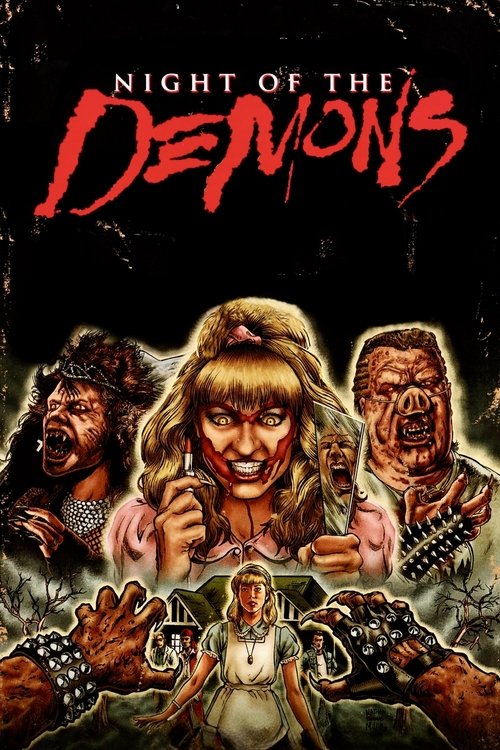
1988
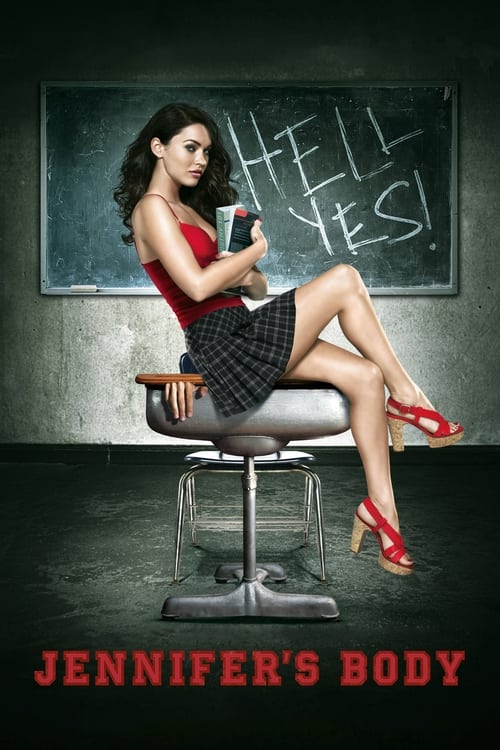
2009
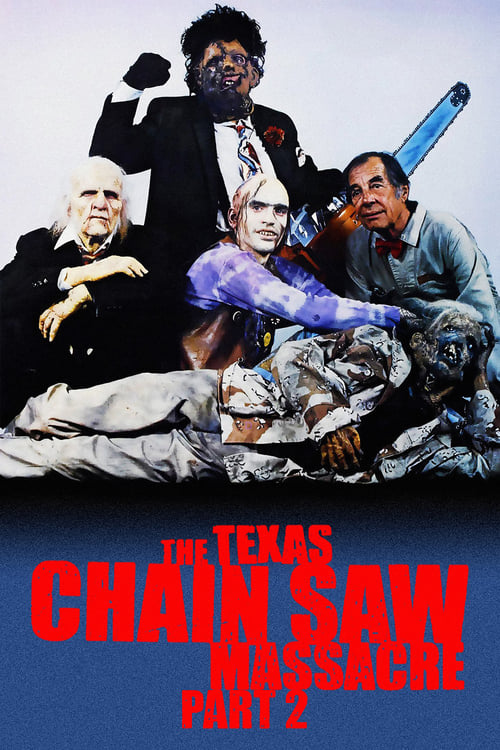
1986
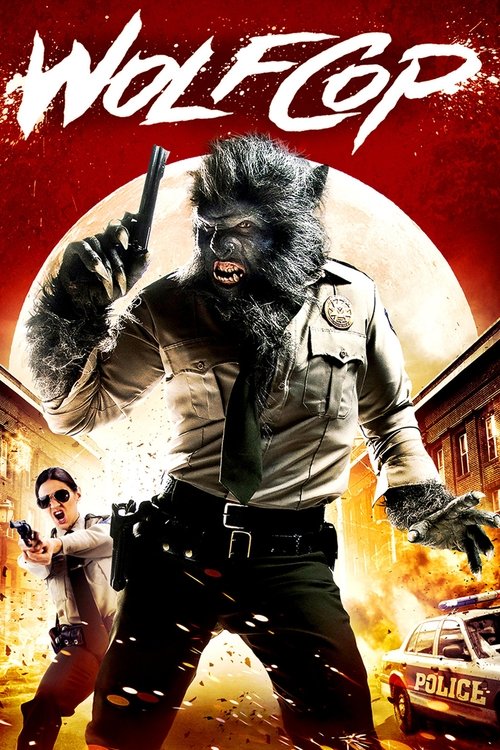
2014
2014
No reviews yet. Be the first to share your thoughts on this movie!
Use the rating form above to leave a star rating and optional review.