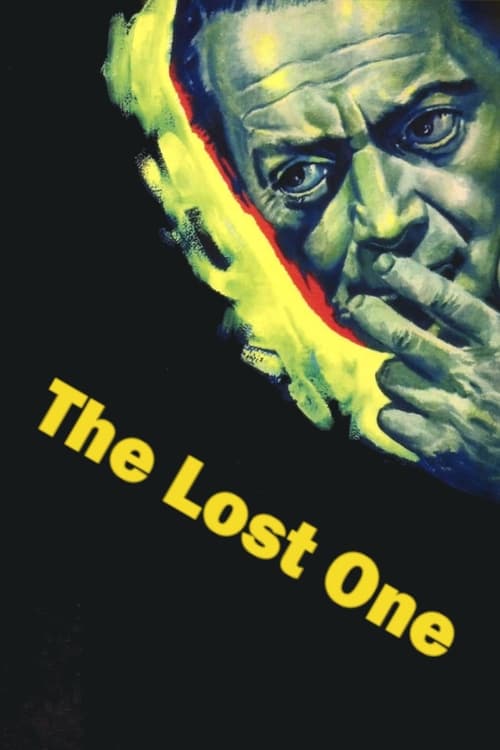
The Lost One
1951
No user ratings available yet
Representation score: 2.7 out of 10

Representation Score
Minimal
1957
Director
Robert Siodmak
Runtime
100 minutes
Average Rating
No ratings yetNew Showbiz Analysis
The film serves as a psychological study of wartime trauma and paranoia rather than a vehicle for social critique. It relies heavily on mid-century noir clichés that reinforce existing social hierarchies. While the narrative offers sophisticated character studies through moral ambiguity, it lacks complexity in reflecting multiple aspects of identity. The production reflects the demographic and casting constraints of its specific historical and geographic context. Ultimately, the film prioritizes atmospheric suspense over expanding demographic representation or disrupting established social norms.
Category Breakdown
The film does not include any LGBTQ+ characters or relationships that go beyond traditional heterosexual dynamics. The interpersonal dynamics focus on romantic and suspense-driven relationships between male and female leads.
Jeanne Moreau's character adds complexity to the narrative by challenging the male protagonist's stability. However, the film maintains the gender dynamics typical of its time period without undermining patriarchal authority.
Set in 1944 Hamburg, the film features a predominantly white European cast. It does not include characters from diverse racial backgrounds or non-Anglo-Saxon perspectives.
The film explores moral relativism and psychological ambiguity through situational ethics. It does not explicitly critique Western institutions such as religion or capitalism.
The film does not represent physical, sensory, or neurodivergent disabilities. Characters are defined by psychological states like guilt rather than experiences related to disability.
Present on Screen
Limited or Absent
Official Synopsis
Hamburg, Germany, 1944, during World War II. A serial killer terrorizes the city. When it seems clear that the local police are unable to catch him, forces as dark and terrible as the criminal himself become involved in the case.
1951
1967
1931

1946

1973

1943
1949
1942
No reviews yet. Be the first to share your thoughts on this movie!
Use the rating form above to leave a star rating and optional review.