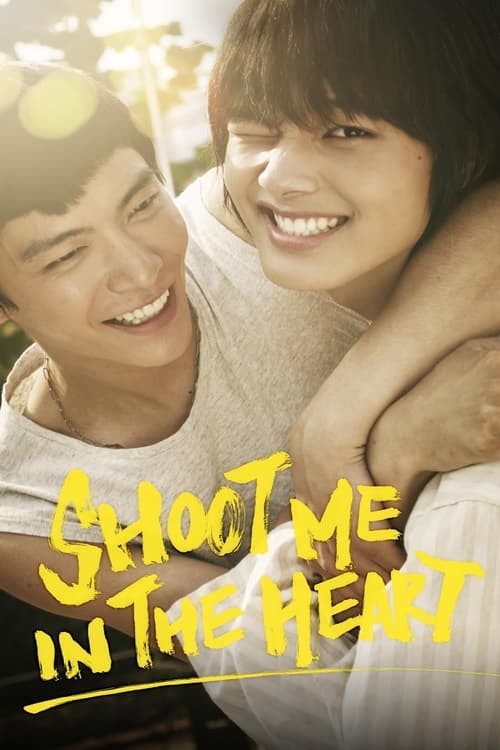
Shoot Me in the Heart
2015
No user ratings available yet
Representation score: 8.4 out of 10
Representation Score
Good
2009
Director
Yoon Jong-chan
Runtime
113 minutes
Average Rating
No ratings yetNew Showbiz Analysis
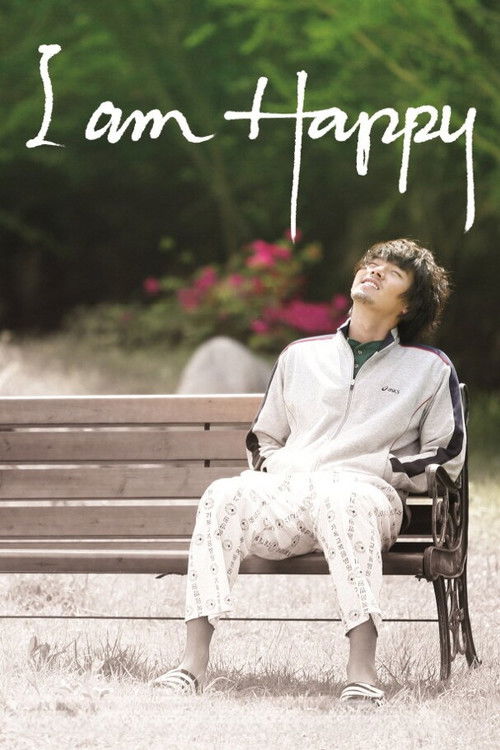
I Am Happy is a sophisticated drama that prioritizes the deconstruction of social norms over traditional character archetypes. It frames systemic failure and social alienation as central themes. The film's strength lies in its ability to challenge the efficacy of established institutional hierarchies. It moves beyond simple melodrama to explore how societal indifference impacts individuals. However, the film remains limited in its scope regarding LGBTQ+ narratives and racial diversity. While it offers deep cultural specificity, it does not actively engage with a multicultural or non-cisgender lens.
Category Breakdown
The film does not include central LGBTQ+ narratives or non-cisgender identities. It does not explicitly address queer identity or challenge the assumption that everyone is straight.
The story disrupts gender hierarchies by focusing on female vulnerability and the stigma of gender-based violence. It highlights the psychological toll of sexual assault and social isolation.
As a South Korean production, the cast is predominantly homogenous. It explores local issues of marginalization without incorporating multicultural casting.
The film critiques traditional social institutions and the failure of authority figures. It portrays the 'ideal' family as a site of trauma, challenging conventional views.
The story provides a nuanced portrayal of mental illness and dementia. It focuses on systemic alienation and loss of autonomy rather than using neurodivergence for inspiration.
Present on Screen
Limited or Absent
Official Synopsis
A man suffers from mental illness after having lived with a mother suffering from dementia and a brother addicted to gambling. Now institutionalized, he falls in love with a nurse at the psychiatric hospital.
2015
2002
2014
2010

2016

1999

2017

2016
No reviews yet. Be the first to share your thoughts on this movie!
Use the rating form above to leave a star rating and optional review.