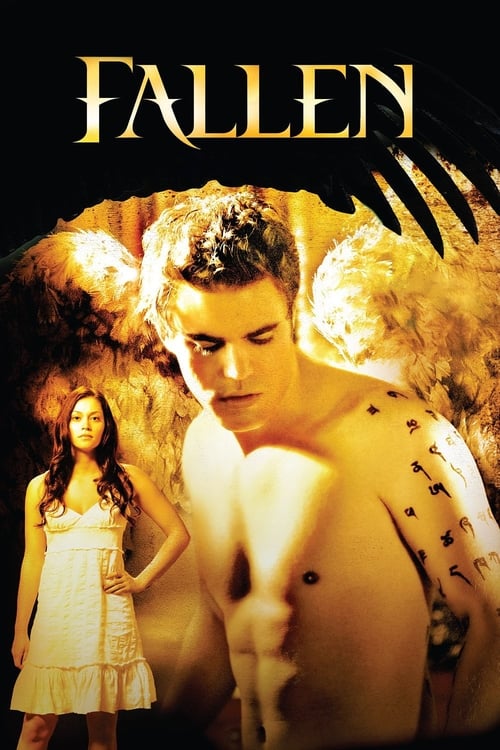
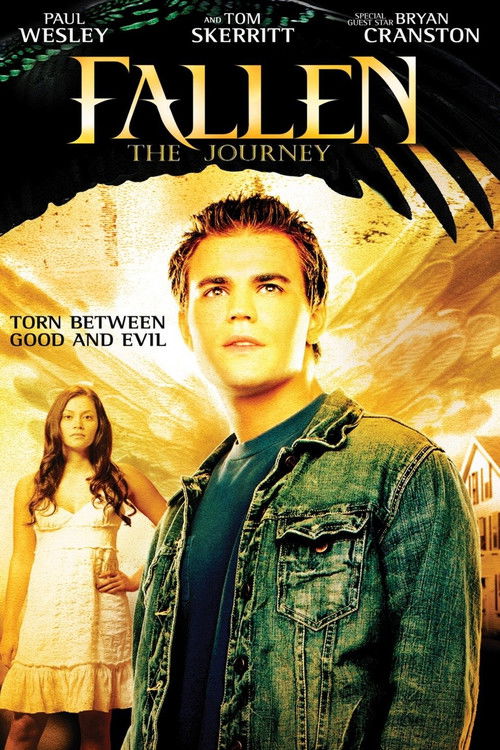
Fallen
2006
No user ratings available yet
Representation score: 1.1 out of 10
Representation Score
Minimal
2007
TV-PGDirector
Kevin Kerslake
Runtime
86 minutes
Average Rating
No ratings yetNew Showbiz Analysis
The film centers on a young male protagonist navigating supernatural forces and personal identity. Its religious and angelic themes dominate, shaping a worldview focused on good, evil, and redemption rather than social diversity. The cast includes actors of varied ethnic backgrounds, yet the available material does not confirm whether these characters are central or fully realized. Women appear in the top cast, but their narrative roles remain unclear. LGBTQ+ identities and disability representation are entirely absent. The story’s narrow focus on Aaron’s mission and family search limits broader cultural or social commentary, resulting in a low overall diversity score.
Category Breakdown
No LGBTQ+ characters appear or are identified. The narrative concentrates on Aaron’s supernatural mission and his search for his father, leaving queer identities entirely absent from the story.
Aaron, a male teenager, anchors the plot. Vilma Rodriguez is listed in the top cast, yet her role and narrative influence remain undefined, leaving women’s presence peripheral and underdeveloped.
The top billed cast includes Fernanda Andrade, Hal Ozsan, and Rade Šerbedžija, signaling ethnic variety. However, the material does not clarify whether these characters hold central roles or meaningful screen time.
Angels, fallen angels, and redemption frame a religious, supernatural worldview. Aaron’s quest to find his father underscores traditional family ties, while broader cultural institutions and communities are not explored.
No characters with physical or mental disabilities are shown or mentioned. The narrative offers no representation of disability experiences or perspectives within its supernatural setting.
Present on Screen
Limited or Absent
Official Synopsis
Part 2 in series of 3 television movies (6 hours) about eighteen-year old orphan and foster child Aaron Corbet and his newfound - and sometimes supernatural - talents. Two mysterious strangers guide him in his quest to learn the truth about his own special destiny, and his role as a liaison between angels, mortals, and Powers both good and evil, some hell-bent on his own destruction.... When we meet Aaron and Camael again, Aaron has accepted his mission to redeem fallen angels even though it puts him at great risk of being killed by the Powers. We see that Aaron still yearns for a deeper understanding of his identity and is determined to find his father.
2006
1995
1974
2022

1998
2005
2000

2015
No reviews yet. Be the first to share your thoughts on this movie!
Use the rating form above to leave a star rating and optional review.