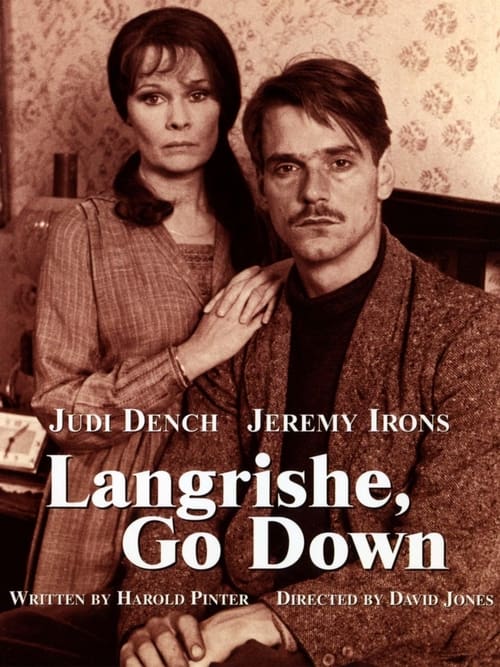
Langrishe, Go Down
1978
No user ratings available yet
Representation score: 1.9 out of 10

Representation Score
Fair
1980
Director
Jacques Demy
Runtime
90 minutes
Average Rating
No ratings yetNew Showbiz Analysis
Break of Day is a character-driven study that successfully challenges age-based gender hierarchies. By centering a mature woman's intellectual and emotional life, the film provides a refreshing departure from standard romantic clichés. However, the film appears limited by its historical and geographical context. The setting suggests a lack of racial diversity, adhering to the demographic landscape of mid-20th-century Saint-Tropez. Ultimately, the film succeeds through its thematic depth. It favors the complexities of human desire and secular individualism over rigid social norms, offering a progressive perspective on personal control.
Category Breakdown
The film explores uncertainties around desire, avoiding rigid assumptions about relationships. Jean Demy’s history of exploring non-traditional themes suggests a nuanced approach to romance.
The story centers on a mature woman in her fifties, reclaiming control often denied to older female characters. This focus disrupts traditional cinematic hierarchies that prioritize youth and male perspectives.
The setting and source material suggest a focus on mid-20th-century French coastal society. The film likely reflects the historical homogeneity of that specific era and location.
The narrative prioritizes individual truth and subjective experience over institutional or religious morality. It emphasizes the intersection of nature and human emotion rather than traditional societal structures.
There is no information available regarding the portrayal of physical or neurodivergent identities in this film.
Present on Screen
Limited or Absent
Official Synopsis
A writer in her fifties spends the summer in her Saint-Tropez home, tending to her garden and animals while reflecting on her past. As nature thrives around her, a handsome young man and a restless woman draw near, bringing the uncertainties of desire and romance. Adapted from Colette's quasi-autobiographical novel.
1978
1986
1995
1983
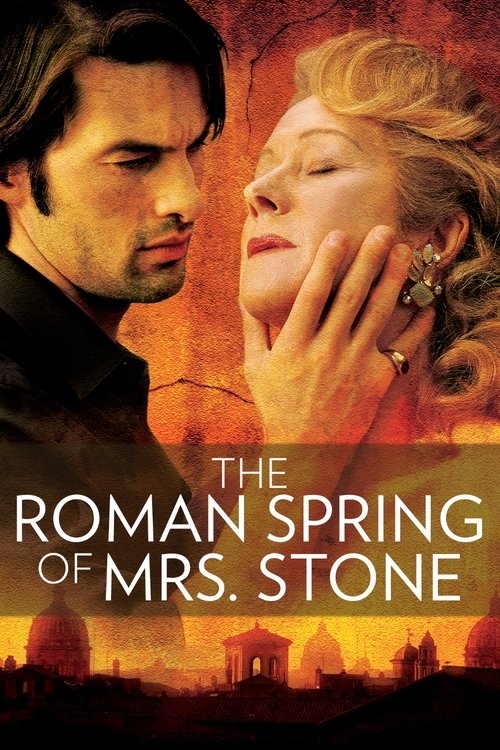
2003
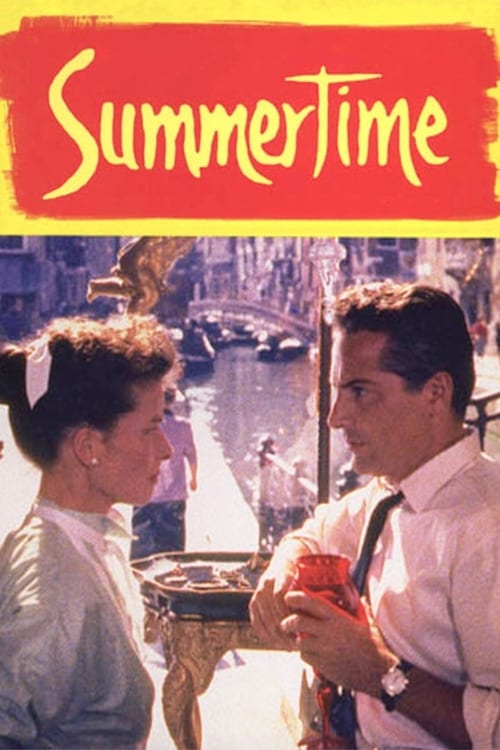
1955
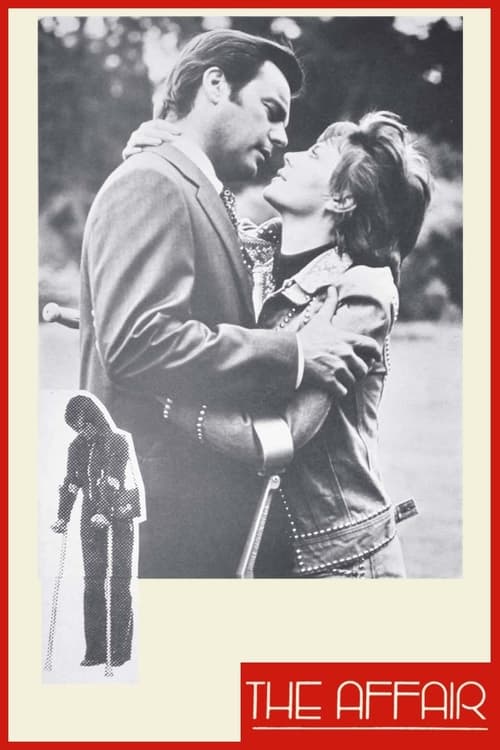
1973

1985
No reviews yet. Be the first to share your thoughts on this movie!
Use the rating form above to leave a star rating and optional review.