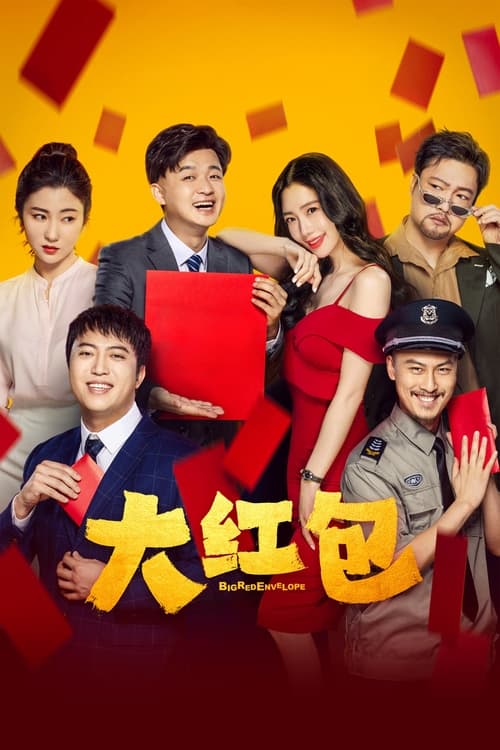
Big Red Envelope
2021
No user ratings available yet
Representation score: 2.5 out of 10
Representation Score
Limited
2016
Director
Lin Shih-yung
Runtime
115 minutes
Average Rating
No ratings yetNew Showbiz Analysis
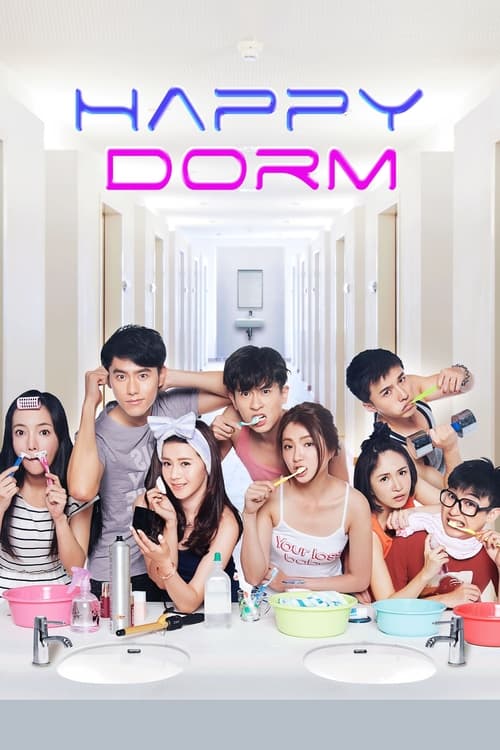
Happy Dorm is a traditional Taiwanese romantic comedy that follows genre conventions closely. The film centers on localized cultural identities and standard social structures without attempting to challenge these through multi-layered approaches. The production lacks clear representation of LGBTQ+ identities or disability-related narratives. While the East Asian cast provides cultural cohesion, the film does not actively challenge traditional gender or social hierarchies. Overall, the film serves as a standard genre entry. It prioritizes romantic resolution and social harmony over disrupting systemic power dynamics or traditional institutions.
Category Breakdown
The film operates as a typical romantic comedy without showing any clear LGBTQ+ identities or narratives that question the assumption that everyone is straight or cisgender. Instead, it sticks to conventional romantic storylines.
Female characters play important roles in the story, but the film follows standard comedic structures. It doesn't consistently challenge traditional gender hierarchies or systemic power dynamics.
The cast is mainly East Asian, reflecting the film's local production context. It maintains a cohesive cultural identity without trying to break Anglo-centric norms.
The storytelling emphasizes social harmony and romantic resolution. It does not provide narratives that challenge traditional institutions like the family or community.
There are no main characters with visible or invisible disabilities. The film does not use disability-related themes as central plot devices.
Present on Screen
Limited or Absent
2021
2015
2010
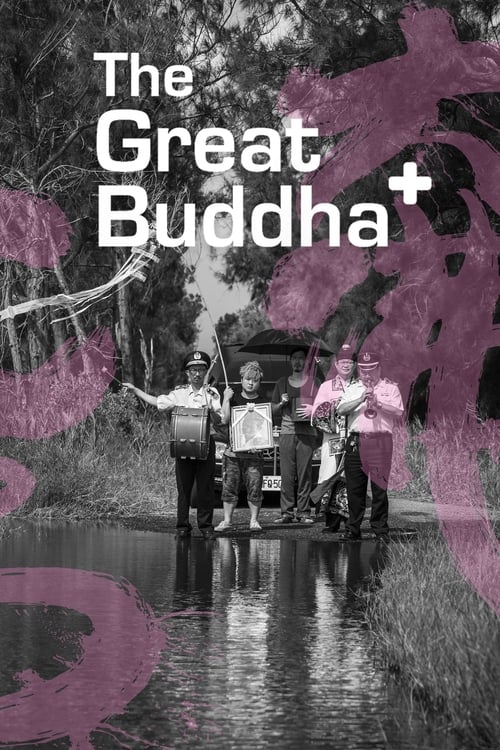
2017
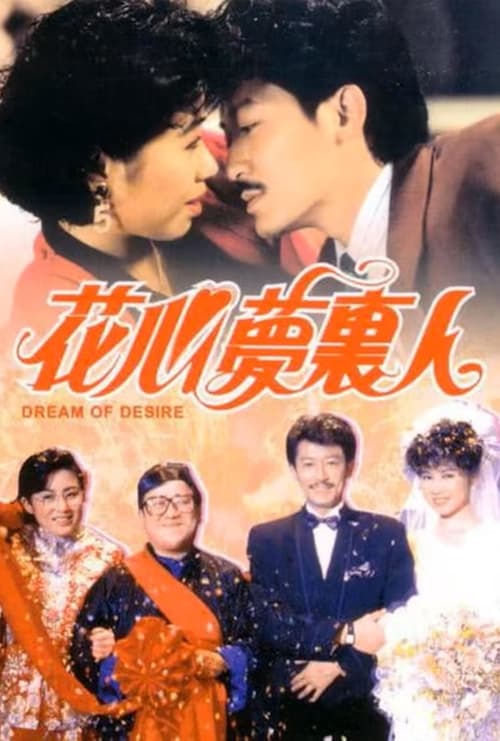
1989
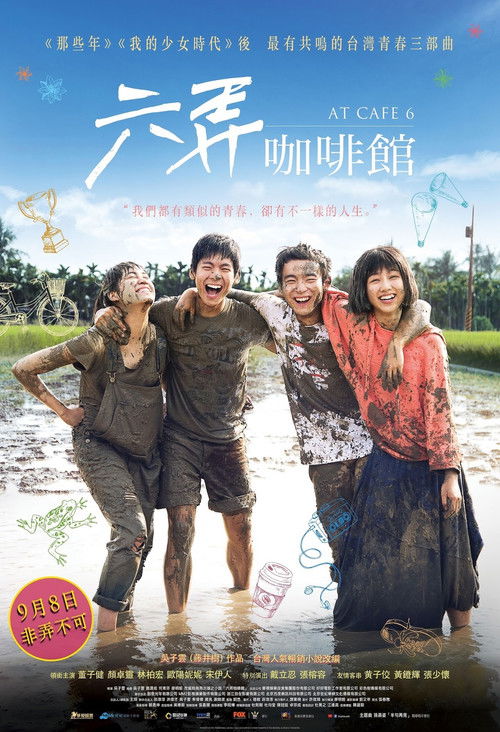
2016
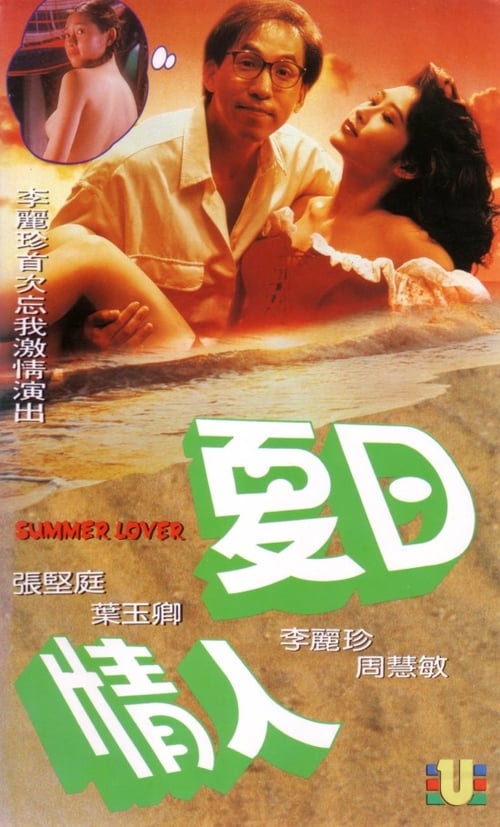
1992
2015
No reviews yet. Be the first to share your thoughts on this movie!
Use the rating form above to leave a star rating and optional review.