Rock
1988
No user ratings available yet
Representation score: 5.6 out of 10
Representation Score
Fair
2003
Director
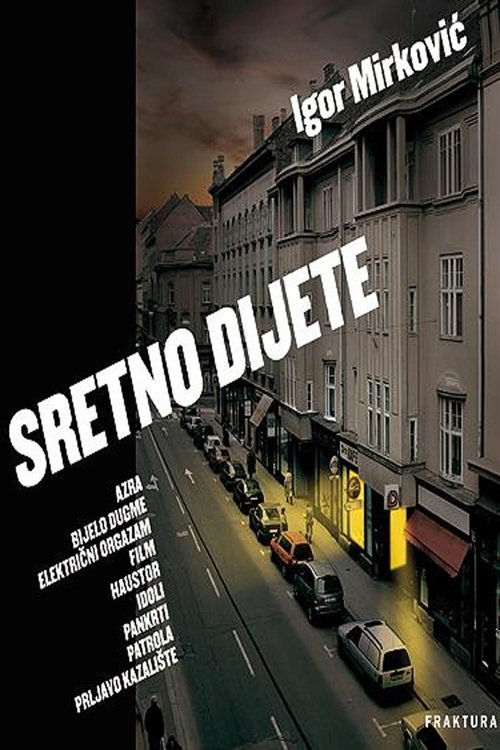
Igor Mirković
Runtime
97 minutes
Average Rating
No ratings yetNew Showbiz Analysis
The Happy Child serves as a sociological study of the transformative New Wave music scene in ex-Yugoslavia. It effectively uses musical history to explore the tension between state-sanctioned structures and emerging subcultures. The film's main strength lies in its cultural depth, showing how art can challenge state control and deconstruct social norms. It provides a window into the systemic changes of the 1970s and 1980s. However, the documentary's focus on a musical genre rather than character-driven drama limits its ability to offer deeper insights into specific gender or LGBTQ+ identities. The representation remains largely tied to the broader social atmosphere of the time.
Category Breakdown
The film captures a period of growing non-conformity within the Yugoslavian New Wave movement. While it doesn't center around LGBTQ+ stories, it shows a move away from traditional social norms.
The documentary looks at an era that challenged traditional gender roles through performance and fashion. However, it presents a balanced view of gender dynamics without emphasizing specific female leadership.
The narrative explores a multi-ethnic landscape within the former Yugoslavia. It captures the complexity of navigating various regional identities under a shared socialist framework.
The film excels by documenting the tension between socialist institutions and anti-establishment artistic expression. It uses the New Wave movement to show how artists challenge traditional authority.
There is no information available to assess how disability is portrayed in this documentary.
Present on Screen
Limited or Absent
Official Synopsis
The Happy Child is a story of "New Wave" rock genre predominant in the ex-Yugoslavia during the socialist 70's and 80's.
1988
1981
2010
1986

1986
1988
2014
1964
No reviews yet. Be the first to share your thoughts on this movie!
Use the rating form above to leave a star rating and optional review.