
404: Error Not Found
2011
No user ratings available yet
Representation score: 6.3 out of 10
Representation Score
Good
2013
Director
Chung Mong-hong
Runtime
111 minutes
Average Rating
No ratings yetNew Showbiz Analysis
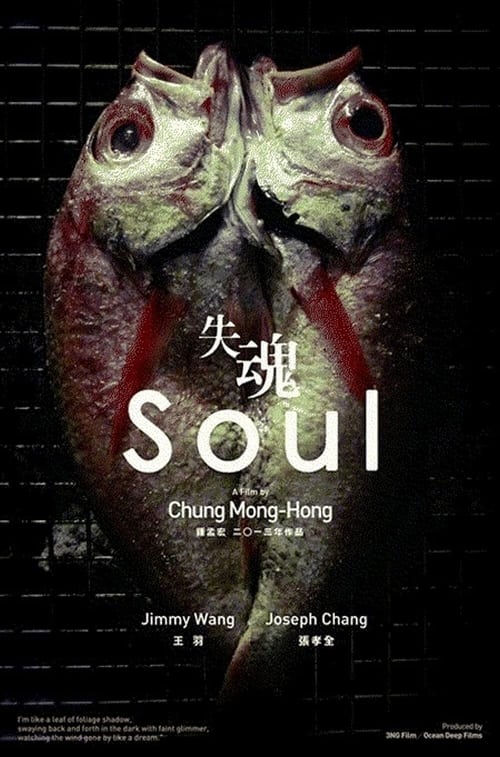
Chung Mong-hong’s Soul is a sophisticated psychological drama that stands out for its authentic Taiwanese perspective. By focusing on a local setting, it avoids the homogeneity of Western-centric cinema and offers a unique lens on grief and the supernatural. The film’s emphasis on the male experience and the limited roles for female characters restrict its gender diversity. Additionally, there is no explicit representation of LGBTQ+ identities. However, the film excels in its exploration of existential questions without resorting to common clichés.
Category Breakdown
The film does not explicitly include LGBTQ+ identities or non-straight relationships. However, themes of fluid consciousness and empty bodies provide a subtle exploration of identity.
The narrative focuses on the male experience, particularly the protagonist's relationship with his father. Female characters play a supporting role, mainly as catalysts for the mystery, and do not have significant control over their own stories.
This Taiwanese production offers a genuine non-Western viewpoint. It avoids Western dominance by setting its story and casting in the local Taipei environment.
The story delves into existential emptiness rather than focusing on a specific religious framework. It portrays the family unit as a source of trauma rather than a stable social structure.
The protagonist's loss of bodily control is a central theme. The film avoids sentimentality, treating his physical and communicative collapse as a source of existential dread.
Present on Screen
Limited or Absent
Official Synopsis
Chuan, a quiet 30-year-old man working as a chef in a Japanese restaurant, collapses suddenly and is rushed to a hospital. His colleagues send him to his father, who resides in the mountains. While there, Chuan becomes immobile: he won’t speak, eat or even go to the toilet on his own. One day his father returns from work only to find Chuan sitting in the corner with his daughter lying dead in a pool of blood. In an unfamiliar, eerily calm voice, Chuan says, “I saw this body was empty, so I moved in.
2011
2005
2005
2003

2004
2002
2013

2004
No reviews yet. Be the first to share your thoughts on this movie!
Use the rating form above to leave a star rating and optional review.