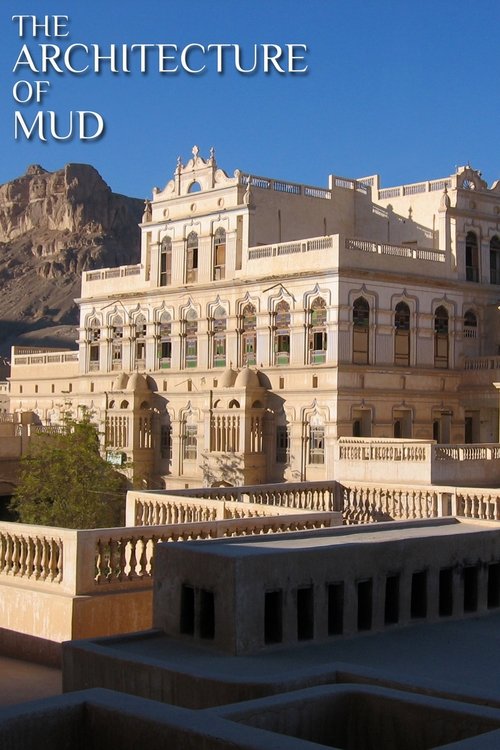
The Architecture Of Mud
1999
No user ratings available yet
No diversity score available

2016
GDirector
Peter Rosen
Runtime
70 minutes
Average Rating
No ratings yetSynopsis
Best known for designing National Historic Landmarks such as St. Louis’ iconic Gateway Arch and the General Motors Technical Center, Saarinen also designed New York’s TWA Flight Center at John F. Kennedy International Airport, Yale University’s Ingalls Rink and Morse and Ezra Stiles Colleges, Virginia’s Dulles Airport, and modernist pedestal furniture like the Tulip chair.
Overall Score
Minimal
Category Breakdown
LGBTQ+ Representation
The film maintains a strictly professional focus on Saarinen’s career. It contains no LGBTQ+ characters or narratives addressing non-cisnormative identities.
Gender Representation
The documentary centers on a male figure in a male-dominated field. It lacks female agency or the subversion of traditional gender hierarchies.
Racial & Ethnic Diversity
The film highlights Saarinen’s Finnish heritage within an American context. However, it lacks a diverse cast and ignores the racial dynamics of the mid-century era.
Religious & Cultural Diversity
The narrative celebrates mid-century American expansion and Western institutional progress. It functions as a tribute to modernist milestones rather than a social critique.
Disability Representation
There is no documented focus on neurodivergence, physical disabilities, or mental health conditions within the biographical or expert commentary.
Strengths
Areas for Improvement
AI Analysis
This documentary functions as a specialized biographical study of Eero Saarinen, prioritizing his architectural legacy and aesthetic contributions. The narrative is built around professional achievement and the evolution of mid-century modernism. Because the film focuses so narrowly on Saarinen's individual trajectory and his structural milestones, it lacks intersectional engagement. The scope remains confined to the technical and historical aspects of his work rather than the social landscape of his era. Ultimately, the film serves as a tribute to architectural progress. It does not attempt to subvert social hierarchies or explore the diverse identities of the period in which Saarinen worked.
1999
2015

2017

2014
1974
1949

2026

2007
2008
2001
1956
2002
No reviews yet. Be the first to share your thoughts on this movie!
Use the rating form above to leave a star rating and optional review.