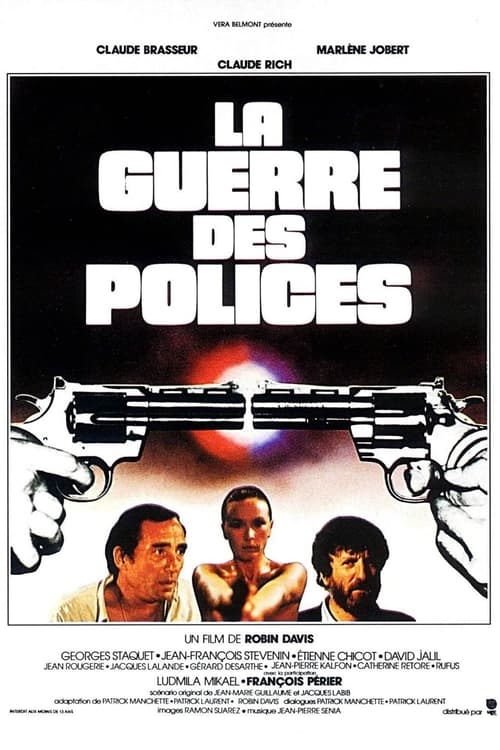
The Police War
1979
No user ratings available yet
Diversity score: 2.6 out of 10
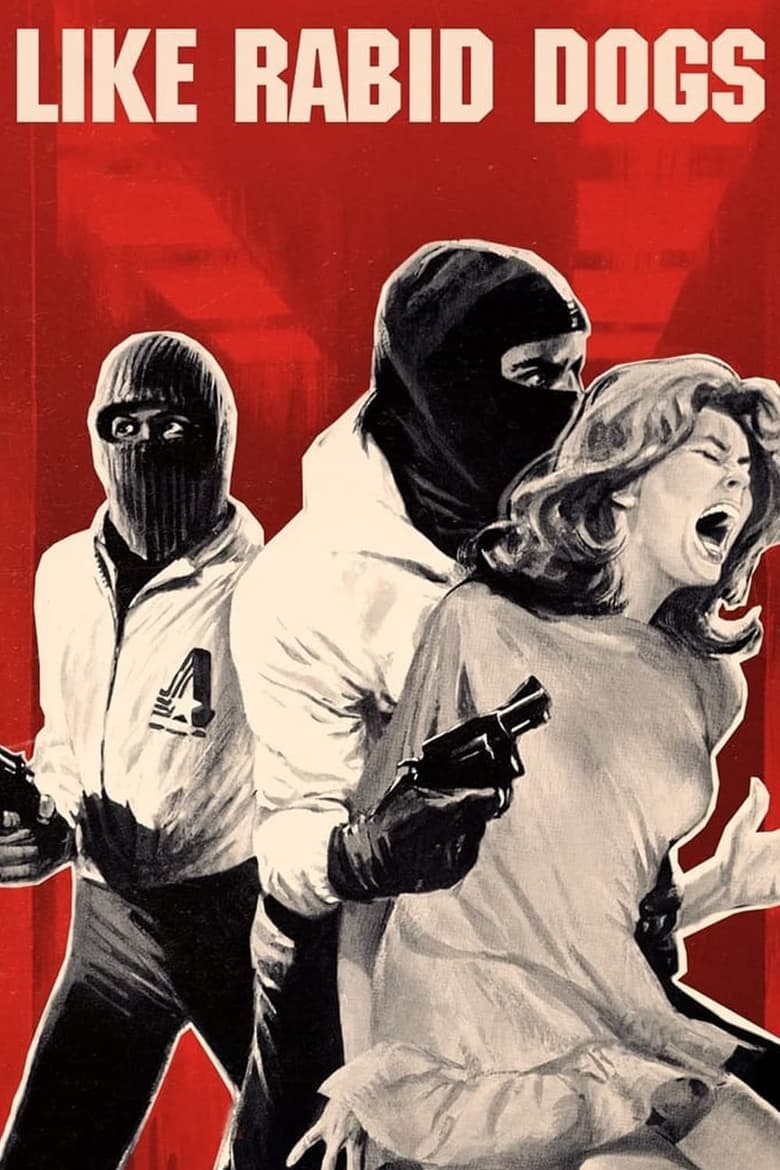
1976
Director
Mario Imperoli
Runtime
98 minutes
Average Rating
No ratings yetSynopsis
Two police officers attempt to hunt down and arrest a trio of rich kids who rob, assault and kill for fun.
Overall Score
Limited
Category Breakdown
LGBTQ+ Representation
The film offers no evidence of non-cisnormative identities. The narrative remains strictly focused on the dichotomy between law enforcement and criminals.
Gender Representation
The story centers on two police officers and a trio of wealthy youths. There is no indication of gender subversion or the deconstruction of traditional masculine hierarchies.
Racial & Ethnic Diversity
The conflict is framed through socioeconomic status rather than ethnic identity. There is no evidence of a diverse cast or race-bent casting within the narrative.
Religious & Cultural Diversity
The film explores social transgression through the lens of class-based delinquency. It functions within a standard justice-oriented framework rather than offering a deep cultural critique.
Disability Representation
There is no information available regarding the inclusion of characters with visible or invisible disabilities.
Strengths
Areas for Improvement
AI Analysis
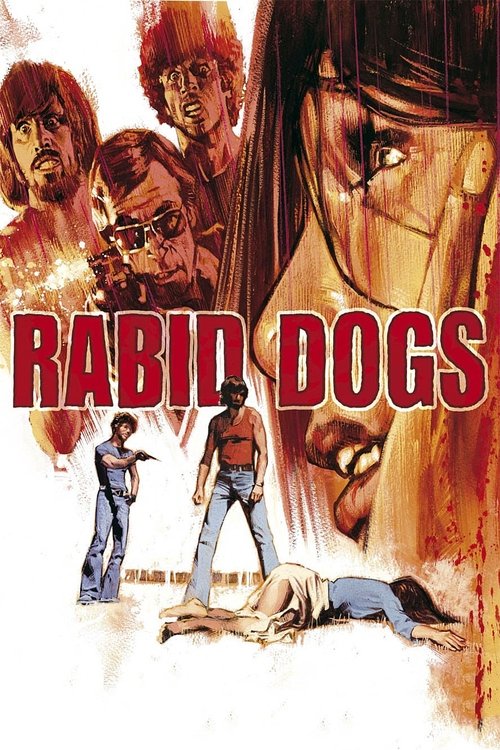
Like Rabid Dogs is a conventional 1970s crime thriller that prioritizes genre tropes over identity-driven narratives. The plot follows a pursuit-and-arrest dynamic between police and delinquent youths, adhering to established themes of order versus chaos. The film focuses heavily on socioeconomic conflict, specifically the actions of 'rich kids' who commit crimes for amusement. This emphasis on class-based delinquency leaves little room for intersectional representation or complex social commentary. Ultimately, the work serves as a standard genre piece. It lacks the thematic depth required to engage with diverse identities or subvert traditional social hierarchies.
1979
1985

2016

2018
1975
1973
2019

1977
1974
1995

1978
1990
No reviews yet. Be the first to share your thoughts on this movie!
Use the rating form above to leave a star rating and optional review.