
Nora
2020
No user ratings available yet
Representation score: 5.6 out of 10
Representation Score
Good
2020
Director
Nacho Garassino
Runtime
87 minutes
Average Rating
No ratings yetNew Showbiz Analysis
Our Way To The Sea is a character-driven road movie that explores the friction between individual desire and familial responsibility. It avoids overt identity politics in favor of a nuanced study of personal autonomy. The film succeeds in challenging the cliché of the passive elderly character. By centering a senior's quest for experiential freedom, it provides a meaningful portrayal of aging and ability to act. However, the narrative remains somewhat conventional in its structure. It relies on traditional familial hierarchies and lacks explicit representation of diverse sexual or ethnic identities.
Category Breakdown
The film focuses on the generational and familial dynamics of the Pereyra family. There is no explicit mention of LGBTQ+ characters or narratives exploring non-straight relationships.
The daughter serves as a pragmatic, authoritative foil to her father's impulsivity. However, the plot remains driven by a patriarchal figure pursuing his own personal legacy.
Set in Tucumán, the film emphasizes a specific regional Argentine identity. There is no evidence of significant diverse casting beyond this geographic demographic.
The story disrupts elder passivity by prioritizing individual ability to act over traditional stability. It shifts the focus from communal duty toward the fulfillment of a personal bucket list.
A medical diagnosis serves as a plot catalyst rather than a tragedy. The protagonist navigates his physical constraints with ability to act instead of being defined by them.
Present on Screen
Limited or Absent
Official Synopsis
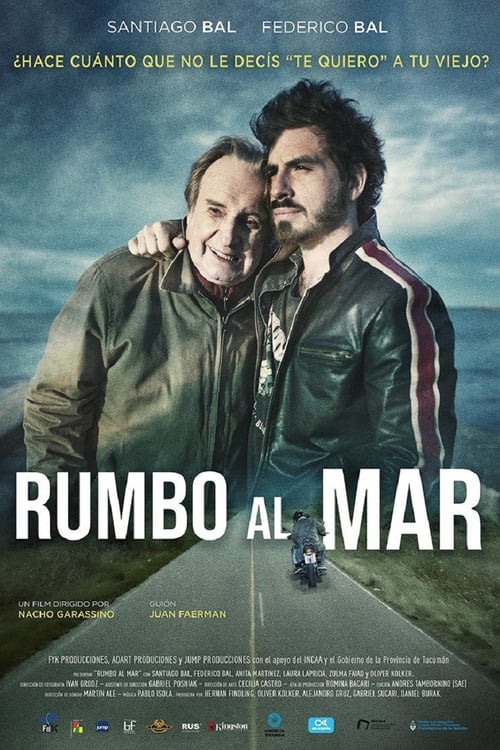
Living in Tucumán, 75-year-old Julio Pereyra (Santiago Bal) has always dreamed of visiting the coast, and after seeing his doctor, he realizes it’s either now or never. He hopes to enlist his errant son, Marcos (Federico Bal, the star’s real-life son), to take him by motorcycle; both Marcos and his by-the-books sister (Anita Martínez) are opposed to the idea. But before he reaches his final destination, Julio will have the opportunity to check several things off his bucket list in this emotionally resonant road movie.
2020

2023

2019

2019

2019

2018

2020

2022
No reviews yet. Be the first to share your thoughts on this movie!
Use the rating form above to leave a star rating and optional review.