Smile Pretty
2009
No user ratings available yet
Representation score: 3.3 out of 10
Representation Score
Good
2013
TV-14Director
Kate Whitney
Average Rating
No ratings yetNew Showbiz Analysis
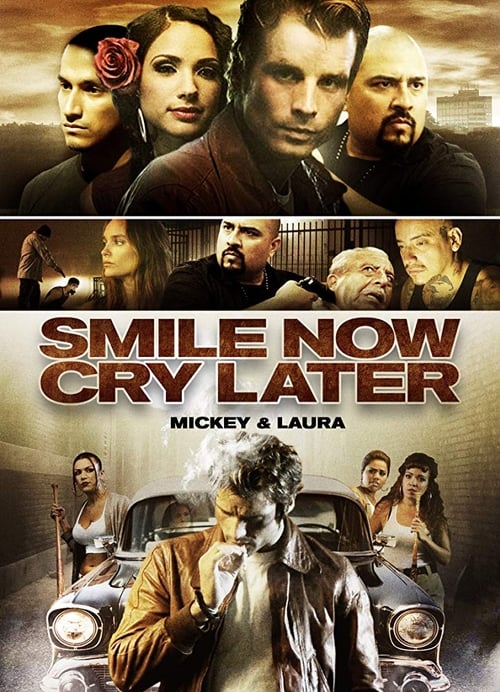
Smile Now, Cry Later is a character-driven drama that prioritizes psychological depth over broad demographic representation. The film's strength lies in its deconstruction of masculinity, using Mickey Jones to explore how past abuse shapes a person's internal reality. However, the film appears culturally narrow, leaning heavily into a specific, white-coded subculture. The lack of visible LGBTQ+ or racial diversity limits its multi-layered reach, making it a more singular, focused character study. Ultimately, the film succeeds in treating mental health as a central identity rather than a plot device, even if it lacks a diverse ensemble cast.
Category Breakdown
The film does not include any explicit LGBTQ+ characters or non-straight relationships. It focuses primarily on the psychological struggles of Mickey Jones.
The story centers on a male protagonist, Mickey Jones, whose journey explores emotional vulnerability and instability. This approach challenges traditional stoic masculine archetypes by highlighting his internal trauma.
The protagonist is described as fitting into an 'all-American rockabilly' subculture, which is historically associated with white culture. There is no indication of a diverse cast or characters of different races.
The film examines subjective morality by contrasting a cool exterior with a backdrop of domestic or systemic abuse. It challenges idealized versions of American life through psychological realism.
The story centers on the invisible disability of psychological trauma. By framing identity through the lasting effects of abuse, it gives real power to mental health challenges.
Present on Screen
Limited or Absent
Official Synopsis
Mickey Jones is an all-American rockabilly, complete with slicked-back hair and smokes rolled in his sleeve. Yet, behind his cool demeanor he is plagued by an abusive past.
2009

2014
2017
2006
2009

2019

2017
2019
No reviews yet. Be the first to share your thoughts on this movie!
Use the rating form above to leave a star rating and optional review.