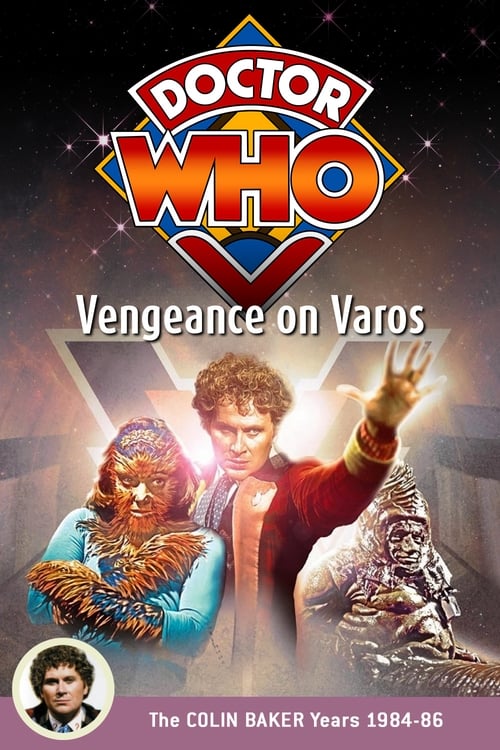
Doctor Who: Vengeance on Varos
1985
No user ratings available yet
Representation score: 6.0 out of 10
Representation Score
Fair
1995
NRDirector
Peter Markle
Runtime
90 minutes
Average Rating
No ratings yetNew Showbiz Analysis
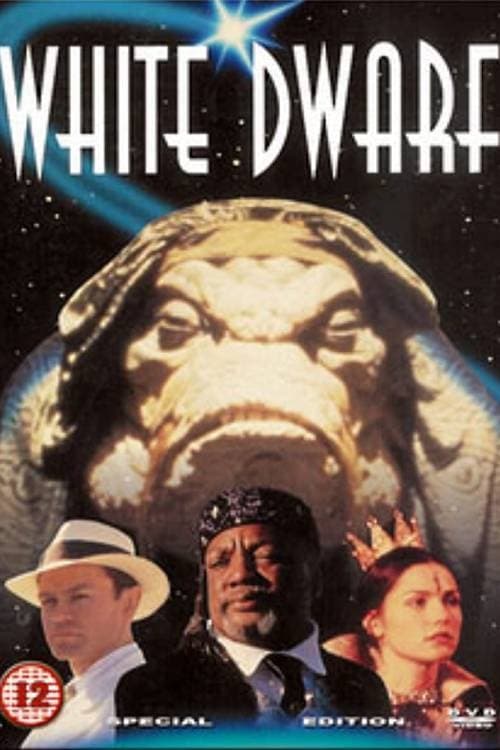
White Dwarf uses a speculative setting to explore social stratification and cultural relativity. By pitting a Victorian-style colony against a medieval kingdom, the film creates a landscape for examining different historical and social hierarchies. While the film avoids modern multi-layered identity politics, its world-building disrupts the expectation of a homogeneous society. The protagonist acts as a bridge between these disparate worlds, facilitating a study of diverse social structures. However, the representation remains largely metaphorical. The reliance on alien species as proxies for diversity and the focus on a traditional male lead limits the depth of its social commentary.
Category Breakdown
The film does not explicitly confirm any LGBTQ+ characters or non-straight relationships. It focuses on universal themes and the protagonist's journey through alien cultures without specific queer identity markers.
The story centers around a male medical student, following traditional protagonist roles. There is no clear evidence of strong female characters or challenges to established gender hierarchies.
Science fiction clichés involving humans and aliens serve as a metaphor for ethnic diversity. This framework allows the protagonist to navigate 'the other' through various non-human species.
The dualistic setting of a Victorian colony and a medieval kingdom challenges monolithic cultural perspectives. This structure promotes a pluralistic view of different societal organizations.
There is no information regarding the portrayal of physical or neurodivergent characters in this work.
Present on Screen
Limited or Absent
Official Synopsis
In a distant future New York medical student Driscoll Rampart accomplishes his internship at Rusta, a rural planet that doesn't revolve around its axis and therefore is divided into contrasting halves of eternal day vs. eternal night. One is a Victorian-styled colony, the other a medieval kingdom. Both leave Rampart in a state of constant wonder, as he finds his way among humans and aliens, strange dreams and even stranger reality, a dark keep and a red sea, and more universal matters of war and peace, good and bad, love and hate and sickness and health.
1985

1989
1980

1998

1990

1993

1977
1998
No reviews yet. Be the first to share your thoughts on this movie!
Use the rating form above to leave a star rating and optional review.