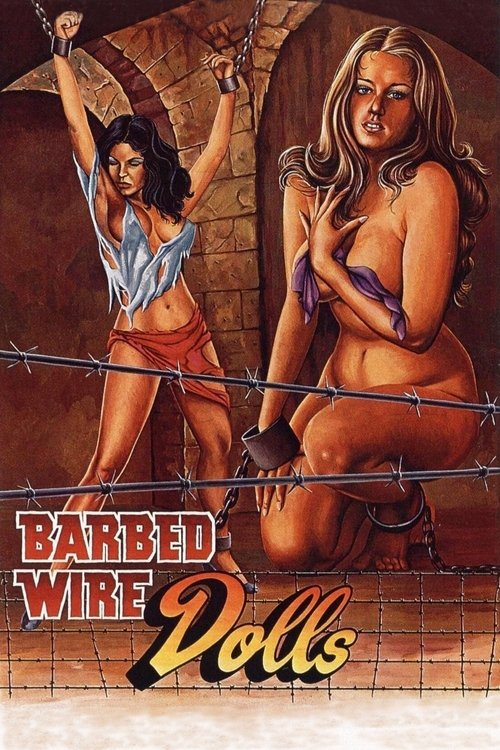
Barbed Wire Dolls
1976
No user ratings available yet
Representation score: 6.1 out of 10

Representation Score
Fair
1970
Director
Zbyněk Brynych
Runtime
90 minutes
Average Rating
No ratings yetNew Showbiz Analysis
The Females is a transgressive film that prioritizes narrative subversion over demographic diversity. It dismantles traditional gender hierarchies by empowering women and challenging conventional gender roles. This film's strength lies in its psychological and cultural depth, which provides a sophisticated critique of social hierarchies. However, the film remains limited by the demographic standards of the 1970s, offering very little racial or ethnic diversity. The cast is largely homogenous, reflecting the demographic profile of the time.
Category Breakdown
The film includes themes of bisexuality, suggesting a departure from traditional heterosexual norms. This exploration of non-traditional sexualities adds complexity to the erotic landscape.
Women in the film have significant power and control over the narrative. This challenges the stereotype of passive female characters by making them the active predators.
The cast is primarily composed of Western and Caucasian actors, reflecting the demographic standards of the 1970s. There is no indication of significant racial diversity among the characters.
The film critiques Western institutions and social structures using extreme metaphors. This approach deconstructs traditional morality and authority, presenting a radical perspective.
The film does not include neurodivergence or physical disabilities as central themes. There is no specific representation of disabilities in the narrative.
Present on Screen
Limited or Absent
Official Synopsis
A young woman joins an exclusive health clinic and discovers that the town is populated almost entirely by women, and they have surprising intentions for any male tourists who visit.
1976
1981
1977

1988
1973

1977

1971

1981
No reviews yet. Be the first to share your thoughts on this movie!
Use the rating form above to leave a star rating and optional review.