Flood in the Desert
2022
No user ratings available yet
Representation score: 1.5 out of 10
Representation Score
Fair
1989
Director
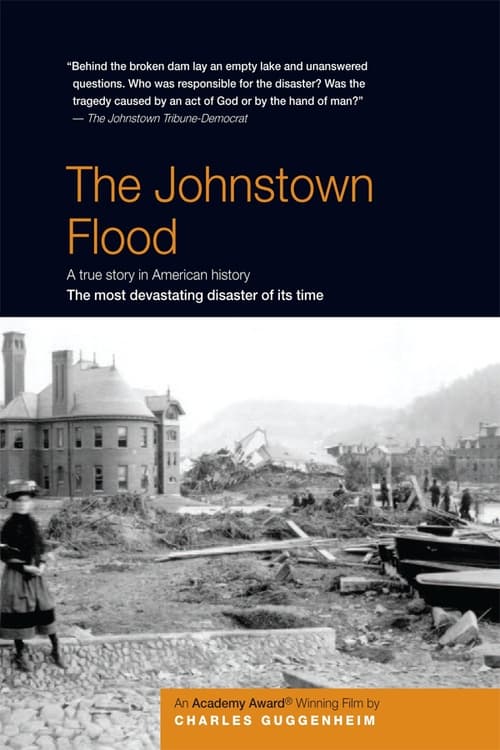
Charles Guggenheim
Runtime
26 minutes
Average Rating
No ratings yetNew Showbiz Analysis
The Johnstown Flood (1989) primarily serves as a critique of the late 19th-century social structure, focusing on the consequences of industrial negligence. It successfully challenges the myth of industrial benevolence by highlighting the conflict between wealthy industrialists and the vulnerable population. However, the film is limited by the demographic realities of its time, lacking representation of non-white or non-Anglo-Saxon populations and excluding LGBTQ+ characters or narratives. While gender roles are depicted traditionally, the documentary adds complexity by emphasizing the systemic failure of private interests over public safety.
Category Breakdown
The film focuses on the late 19th century and does not include any LGBTQ+ characters or stories about non-straight relationships.
The documentary reflects the gender roles of the 1880s, showing women's involvement in relief efforts within the context of traditional societal expectations.
The film's visual record is mainly white and Anglo-Saxon, reflecting the demographics of 1889 Pennsylvania. It does not significantly represent non-white or non-Anglo-Saxon populations.
The film highlights the conflict between industrialists' negligence and the suffering of working-class residents, criticizing the impact of concentrated wealth on public safety.
Disability is shown through the lens of disaster victims who suddenly become impaired. The film does not feature characters with established disabilities who take control of their lives.
Present on Screen
Limited or Absent
Official Synopsis
On May 30, 1889 the South Fork Dam, which maintained a pleasure lake for wealthy Pittsburgh industrialists and their families, failed due to very heavy rains and poor maintenance by the dam's owners. The burst dam sent a wall of water and debris, 40 feet high and half a mile wide, 14 miles downstream to the bustling industrial city of Johnstown, Pennsylvania. More than 2000 people lost their lives in the disaster. This documentary tells the story, and tells us that the disaster was easily avoidable.
2022
2025
2019

1989
2022

2020
1994
2006
No reviews yet. Be the first to share your thoughts on this movie!
Use the rating form above to leave a star rating and optional review.