
Tickled
2016
No user ratings available yet
Representation score: 4.5 out of 10
Representation Score
Fair
2020
Not RatedDirector
Seth Porges, Chris Charles Scott III
Runtime
90 minutes
Average Rating
No ratings yetNew Showbiz Analysis
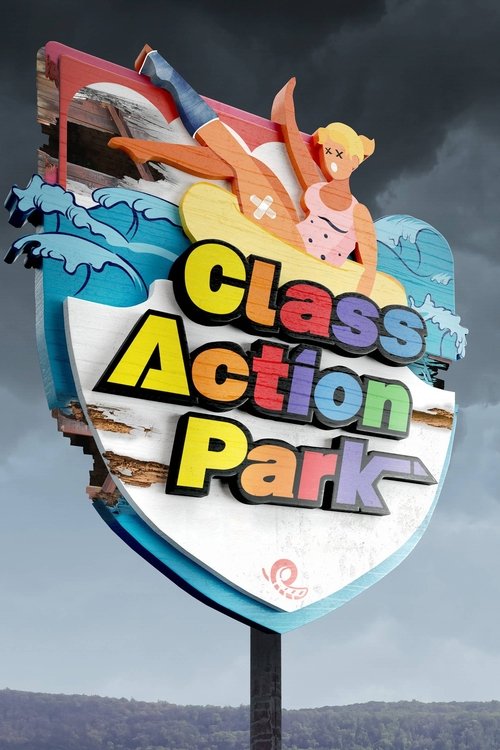
Class Action Park functions as a deconstruction of a specific historical phenomenon rather than a vehicle for identity-driven storytelling. It prioritizes the investigation of systemic failures and corporate negligence over the romanticization of the 1980s. The documentary's strength lies in its critical stance toward traditional commercial structures and its refusal to participate in nostalgic myths. It examines the physical consequences of a lack of institutional oversight. However, the film lacks significant characters who reflect more than one aspect of diversity. The focus on a localized, historical setting results in a narrative that mirrors the demographic and social norms of its era without intentional diversification.
Category Breakdown
The documentary focuses on historical investigative journalism regarding a specific physical location. There is no visible representation of LGBTQ+ characters or non-conforming gender identities within the primary subject matter.
The setting suggests a masculine-coded environment centered on high-risk activities. While interviews feature various people, there is no evidence of challenging gender hierarchies or focusing on gendered power dynamics.
The narrative likely reflects the demographic realities of 1980s New Jersey. There is no indication of intentional efforts to include diverse perspectives within the historical lens.
The film challenges idealized views of 1980s American consumerism. It critiques the unregulated capitalist enterprise, prioritizing investigative truth over the preservation of traditional cultural myths.
The film documents physical injuries and bodily vulnerability resulting from negligence. However, these are presented as consequences of accidents rather than through disability-focused storytelling or character's ability to drive the story.
Present on Screen
Limited or Absent
Official Synopsis
Class Action Park explores the legend, legacy, and truth behind the 1980s water park in Vernon, New Jersey that long ago entered the realm of myth. Known for its dangerous, unsupervised rides and lack of regulation, guests of Action Park expected to walk away with injuries and were lucky if they made it out alive. Shirking the trappings of nostalgia, the film uses investigative journalism, original animations, recordings, and interviews with the people who lived it to reveal the true story of Action Park.
2016
2012

2022
2014

2019

2020
2002

2011
No reviews yet. Be the first to share your thoughts on this movie!
Use the rating form above to leave a star rating and optional review.