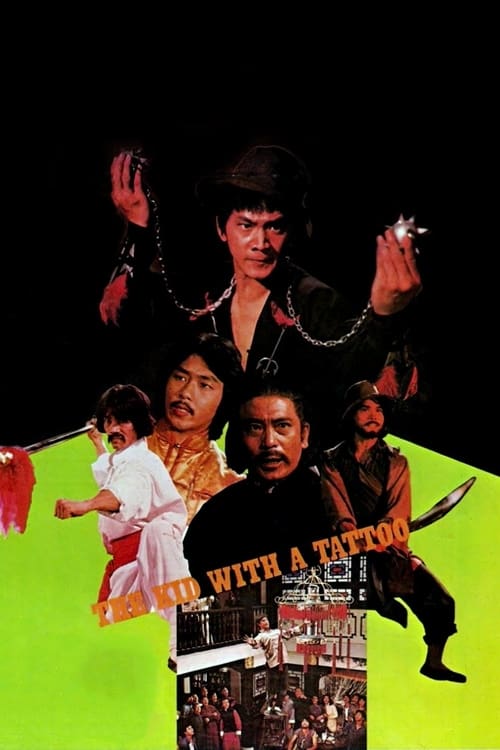
The Kid with a Tattoo
1980
No user ratings available yet
Representation score: 3.3 out of 10
Representation Score
Fair
1980
Director
John Woo
Runtime
98 minutes
Average Rating
No ratings yetNew Showbiz Analysis
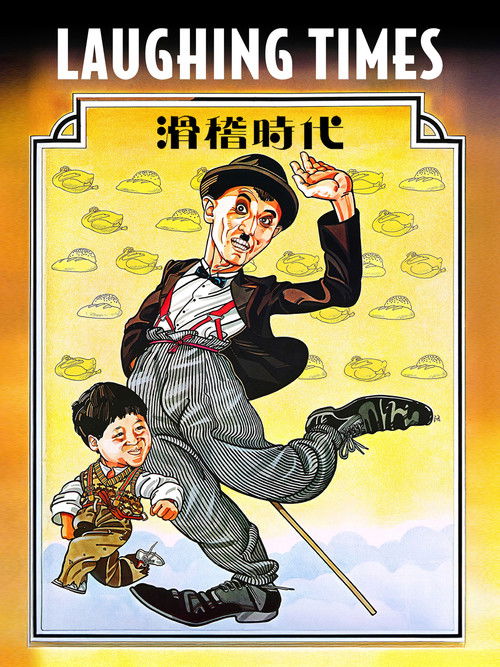
Laughing Times functions as a character study of social alienation through the lens of a underrepresented outsider. By focusing on a homeless wanderer, the film disrupts traditional narratives centered on stable, middle-class protagonists. However, the film's diversity is limited by its narrow focus on a single male archetype. The lack of visible women's ability to drive the story or explicit LGBTQ+ identities keeps the representation within a traditional, somewhat restrictive framework. Ultimately, the film finds strength in its potential critique of systemic indifference and class struggle, even while it lacks the multi-layered markers found in more contemporary cinema.
Category Breakdown
The film does not explicitly depict LGBTQ+ identities or relationships outside of heterosexual norms. It focuses on a solitary wanderer, emphasizing social isolation rather than identity-driven romance.
The story centers on a single male protagonist, with few opportunities for female characters to play significant roles. It relies on traditional comedic archetypes without challenging gender hierarchies.
The production offers a non-Western perspective, moving away from Anglo-centric storytelling. The protagonist's status as a wanderer explores class-based exclusion.
The film examines the conflict between an individual and an indifferent public system using Chaplin-esque imagery. It critiques social structures and the struggle against societal expectations.
The protagonist's homelessness places him in a position of systemic vulnerability, although this is a socioeconomic condition rather than a physical disability. There is no depiction of characters with disabilities being mocked.
Present on Screen
Limited or Absent
Official Synopsis
A homeless wanderer just happens across various articles of clothing that make him resemble Charlie Chaplin much to the amusement of passersby.
1980

1999
1977
1989
1979

1996

1991
1980
No reviews yet. Be the first to share your thoughts on this movie!
Use the rating form above to leave a star rating and optional review.