
Female Teacher: In Front of the Students
1982
No user ratings available yet
Representation score: 1.5 out of 10

Representation Score
Good
1977
Director
Masaru Konuma
Runtime
92 minutes
Average Rating
No ratings yetNew Showbiz Analysis
Masaru Konuma’s work employs the Ero Guro tradition to challenge social and moral frameworks. The film effectively deconstructs patriarchal and religious authority, using an all-female setting to explore psychological volatility and institutional breakdown. However, the film remains constrained by its era's lack of diversity and its stylistic approach to mental health. While it subverts traditional gender hierarchies, it lacks explicit LGBTQ+ identities and diverse racial representation. Ultimately, the film is a dark departure from conventional cinema, prioritizing the exploration of obsession and institutional corruption over traditional storytelling.
Category Breakdown
The film challenges traditional romantic expectations by focusing on female-centric spaces and intense psychological dynamics. Though it doesn't explicitly feature LGBTQ+ identities, it disrupts conventional gender roles.
The story centers on an all-female environment, challenging traditional patriarchal structures. It portrays the religious principal as a morally compromised figure, breaking down the usual depiction of authority.
The cast is ethnically uniform, reflecting the film's 1977 Japanese production context. The film does not emphasize racial diversity or blended casting beyond the standards of its time.
The film criticizes religious authority by depicting the principal as a source of systemic abuse. It explores institutional corruption and the erosion of organized morality and social norms.
Psychological instability and madness are key themes in the film's atmosphere. However, these elements serve more as stylistic devices rather than nuanced representations of lived neurodivergent experiences.
Present on Screen
Limited or Absent
Official Synopsis
Utae and Aiko attend an all-girl private school where the devoutly religious principal seems to be raping some of the students, including Utae.
1982

2005
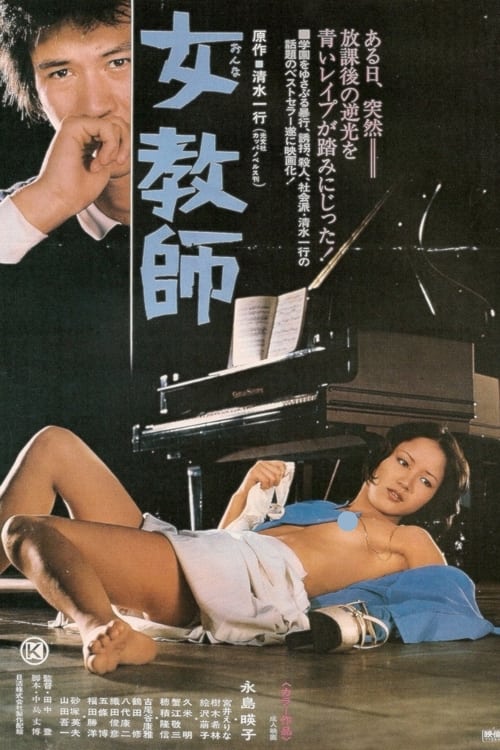
1977

1974
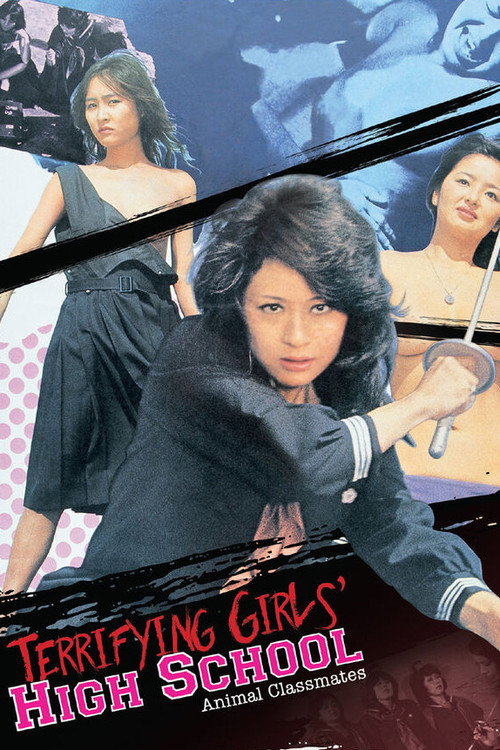
1973

1978
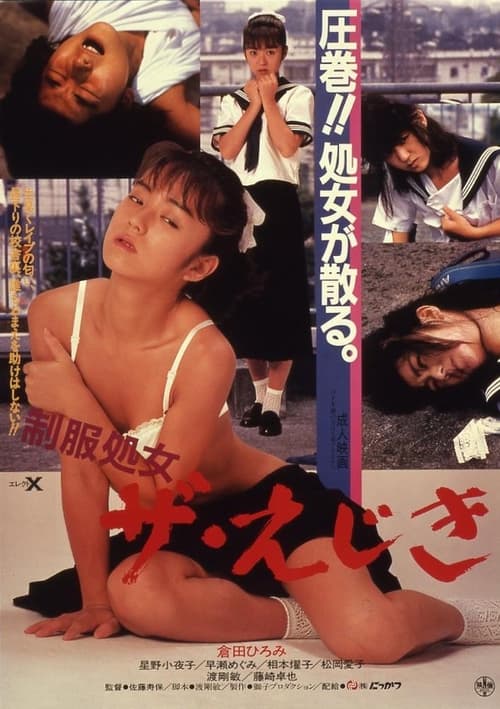
1986
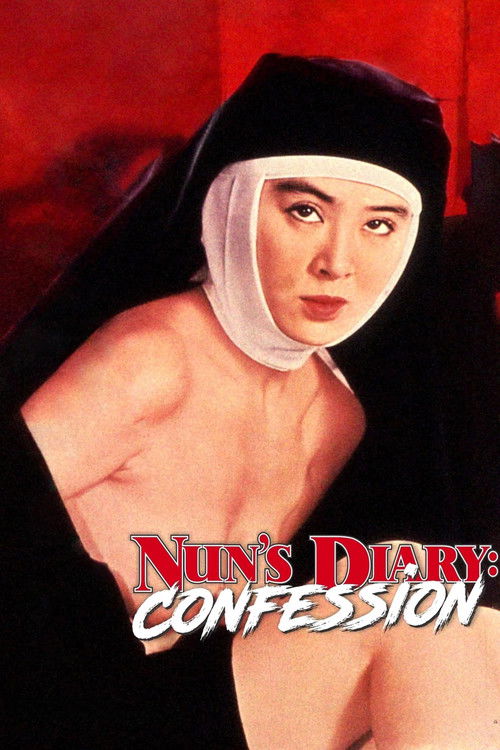
1979
No reviews yet. Be the first to share your thoughts on this movie!
Use the rating form above to leave a star rating and optional review.