Women Are Heroes
2011
No user ratings available yet
Diversity score: 7.1 out of 10
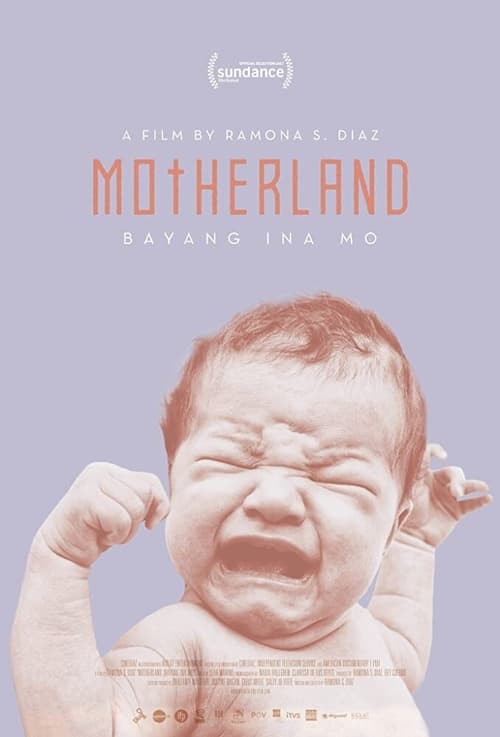
2017
Director
Ramona S. Diaz
Runtime
94 minutes
Average Rating
No ratings yetSynopsis
The planet’s busiest maternity hospital is located in one of its poorest and most populous countries: the Philippines. There, poor women face devastating consequences as their country struggles with reproductive health policy and the politics of conservative Catholic ideologies.
Category Breakdown
The film centers on maternal experiences and reproductive health, which naturally focuses on heteronormative biological processes. While it lacks explicit depictions of queer identities, its critique of bodily autonomy challenges traditional gendered expectations.
The documentary subverts traditional hierarchies by centering female agency and resilience. It effectively critiques how patriarchal, religious, and political institutions constrain femininity and weaponize traditional gender roles.
The film provides authentic representation by prioritizing a majority-Filipino cast and local voices. It avoids an outsider gaze, focusing instead on the socioeconomic realities and post-colonial legacies within the Philippines.
The narrative offers a sophisticated critique of how conservative Catholic ideologies influence public policy. It frames these religious structures as significant obstacles to reproductive health and personal agency.
There are no specific, characterized depictions of physical or neurodivergent disabilities. However, the film explores themes of bodily vulnerability caused by poverty and limited medical access.
Strengths
Areas for Improvement
Score Reasoning
Motherland is a powerful documentary that utilizes a post-colonial lens to examine the intersection of reproductive autonomy and systemic oppression in the Philippines. It succeeds by centering the lived experiences of Filipino women, moving beyond simple inclusion to provide a deep analysis of how identity is negotiated within marginalized communities. The film excels in its racial and cultural authenticity, avoiding Western-centric perspectives by prioritizing local voices. Its critique of the friction between individual agency and conservative religious or state structures provides a necessary look at how institutional power impacts bodily autonomy. While the film is highly effective in its gender and racial representation, it remains limited in its exploration of LGBTQ+ identities and specific disability representation. The focus on maternal biology and heteronormative processes leaves these specific areas largely unaddressed.
2011
2024
2012
2018
2020

2024
2019
2022

1975

2022

2022
2003
No reviews yet. Be the first to share your thoughts on this movie!
Use the rating form above to leave a star rating and optional review.