Blue Permanence / Swan Blood
2015
No user ratings available yet
Representation score: 0.6 out of 10
Representation Score
Limited
2014
Director
Helena Wittmann
Runtime
16 minutes
Average Rating
No ratings yetNew Showbiz Analysis
Helena Wittmann’s 21.3°C is a formalist experiment that prioritizes sensory minimalism over traditional character development. By stripping the film down to light, shadow, and sound, the work disrupts the standard expectations of commercial cinema. While the film lacks explicit representation of multiple identities, it achieves progressive values through its refusal to engage in hierarchy-based storytelling. It replaces protagonist-driven ability to act with a reflexive loop between the viewer and the environment. Ultimately, the film's strength lies in its ability to bypass conventional social clichés, though this comes at the cost of visible, identity-driven representation.
Category Breakdown
The film does not explicitly depict LGBTQ+ identities or non-cisgender expressions. Its minimalist structure avoids traditional romantic storylines without focusing on queer identities.
The narrative avoids traditional gender hierarchies by not emphasizing character-driven power dynamics. It steers clear of conventional masculine leadership or feminine submissiveness through its focus on atmosphere.
The film's focus on light, shadow, and inanimate objects provides insufficient evidence to evaluate racial or ethnic composition. There are no visible diverse ethnic narratives.
The work prioritizes sensory perception over structured social realities. This emphasis on atmosphere suggests a move toward a fluid, non-dogmatic worldview.
There is no evidence regarding the portrayal of physical or neurodivergent identities. The abstract nature of the film offers no insight into disability representation.
Present on Screen
Limited or Absent
Official Synopsis
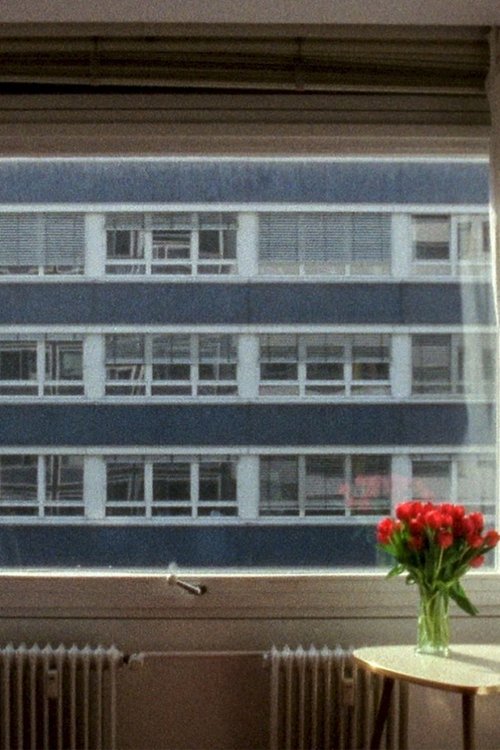
The image of a room, its appearance changing with the shades of light. A window front, seen through the window. Changing flower arrangements on a side table. Sounds, entering the room from outside the frame. A construction site hints at changes in the exterior. Rehearsals. Are the sound waves of the piano reaching us from downstairs or from next door? In 21.3 °C Helena Wittmann reduces the filmic elements to the essentials: light, shadow, sound, direction. Out of this minimum, stories emerge that linger, atmospheres that resonate. Little by little the viewer is thrown back upon herself/himself. Through the facing window front someone seems to look back at us. Only the temperature remains the same.
2015
2007
1973
2010
1976
2001
1968
2014
No reviews yet. Be the first to share your thoughts on this movie!
Use the rating form above to leave a star rating and optional review.