
Mami Wata
2023
No user ratings available yet
Representation score: 7.0 out of 10
Representation Score
Good
2019
TV-MADirector
Dan Moss
Runtime
90 minutes
Average Rating
No ratings yetNew Showbiz Analysis
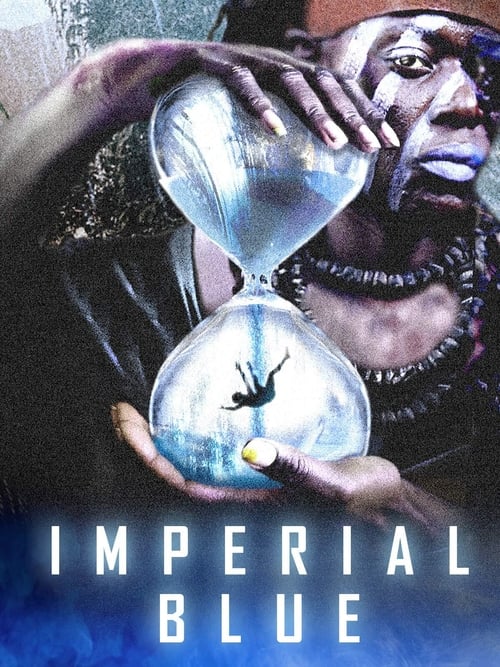
Imperial Blue succeeds in subverting traditional power dynamics by placing the narrative's ability to act in the hands of Ugandan women. By centering the plot in Kampala and focusing on the indigenous Bulu herb, the film avoids the typical Western explorer cliché, instead granting local characters control over the central resource. The film also offers a sophisticated look at spirituality, using a sacred herb to frame prophecy rather than relying on standard religious doctrines. This creates a complex landscape of moral ambiguity. However, the film lacks explicit representation of LGBTQ+ identities or disability. While the interpersonal dynamics between the sisters are complex, the narrative remains focused on a more traditional character triad.
Category Breakdown
The story focuses on a male protagonist and two sisters. Although the sisters' competing agendas suggest complex interpersonal dynamics, there is no explicit depiction of LGBTQ+ identities or same-sex intimacy.
The narrative centers on Kisakye and Angela rather than the male lead. These women act as the primary architects of the journey, controlling the protagonist's access to the sacred Bulu.
The film moves away from Western-centric narratives by centering the plot in Kampala, Uganda. It prioritizes an African landscape where local characters hold the power of resource control.
The narrative explores non-Western spiritual frameworks through the sacred Bulu herb. It also examines the tension between traditional religious structures and individualistic pursuits through the two sisters.
There are no visible or invisible disabilities portrayed within the narrative.
Present on Screen
Limited or Absent
Official Synopsis
Hugo Winter, a roguish American drug smuggler, travels to Uganda in an attempt to export a large amount of Bulu, a sacred herb that grants the user visions of their future. Upon arriving in Kampala, he soon discovers that his only means of achieving this is through two sisters with competing agendas, born-again Kisakye and rebellious Angela, who come from the remote village of Makaana where the Bulu is grown. As they lead Hugo deeper into the jungle and further into their web of deceit, it is unclear if his drug-addled prophecies are helping his quest or clouding his future.
2023

2018

2017
2017

2018

2016

2018

2013
No reviews yet. Be the first to share your thoughts on this movie!
Use the rating form above to leave a star rating and optional review.