
The History of Concrete
2026
No user ratings available yet
Representation score: 3.4 out of 10
Representation Score
Limited
2026
Director
Ava Spraggon, Monae O'Shannessy
Runtime
9 minutes
Average Rating
No ratings yetNew Showbiz Analysis
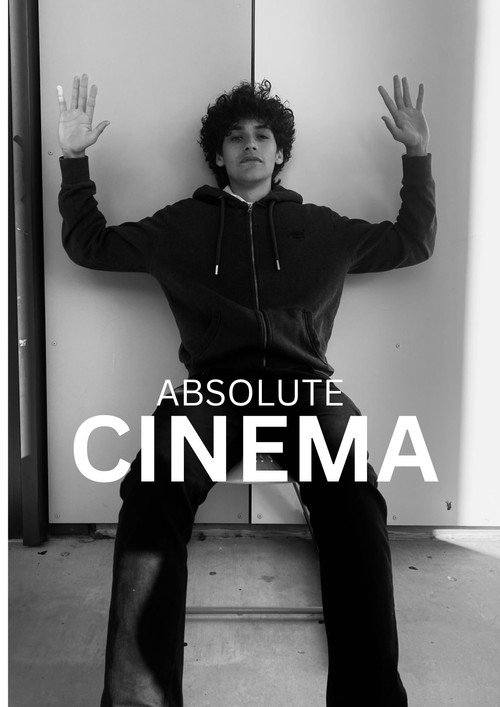
Absolute Cinema opens in the specific, insular world of New Zealand’s independent film scene, where teenage passion collides with the performative intensity of online "filmbro" culture. The film’s argument is that creative identity is now forged through niche internet communities rather than traditional institutions, a shift captured by the mockumentary format’s close-ups on faces and devices. The sold meaning is one of authentic enthusiasm, yet the contradiction lies in how that enthusiasm is framed by the "National Society of Film Bros," a label that suggests the very subculture being satirized is also the source of the film’s legitimacy. The ending, implied by the producer’s interest in Theodore’s "true personality," rewards the protagonist’s unfiltered self-expression over polished professionalism, positioning raw, online-native identity as the new currency of artistic value. The camera loves the awkward, unscripted moments, treating the characters’ digital obsessions as a form of genuine connection rather than hollow performance.
Category Breakdown
No queer intimacy or identity appears in the credits or synopsis. The narrative relies entirely on heterosexual or neutral creative dynamics. The film offers no on-screen representation of LGBTQ+ experiences.
Della Ngarotata plays Liv, a female presence in a male-dominated creative space. However, the plot centers on Theodore’s personality and the producer’s interest. Liv’s specific agency or competence remains undefined in the available data.
Della Ngarotata’s name suggests Māori heritage, introducing ethnic diversity to the New Zealand setting. This presence challenges the all-white default of independent film circles. It is not explicitly framed as a political statement.
The film satirizes the "filmbro" subculture and National Society of Film Bros. It treats niche online identity as the primary cultural force. Internet-native enthusiasm is positioned over traditional institutional authority.
No disabled characters, impairments, or neurodivergent traits are mentioned in the credits or synopsis. The narrative does not engage with disability as a theme or character trait. Absence is the only on-screen state.
Present on Screen
Limited or Absent
Official Synopsis
Theodore, a young and passionate rising director, is challenged when he is approached by a producer interested in his enthusiasm for film. As he begins to make his first ever short film, Theodore's true personality arises.
2026

2011
2007
2015
2019

2018

2012

1999
No reviews yet. Be the first to share your thoughts on this movie!
Use the rating form above to leave a star rating and optional review.