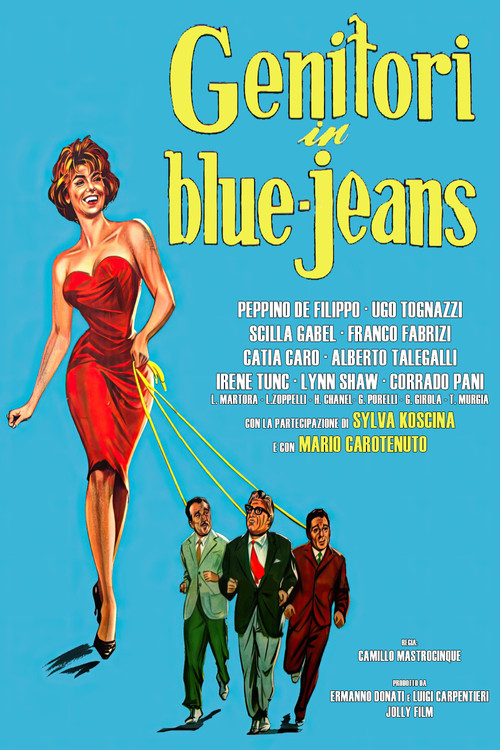
Genitori in blue-jeans
1960
No user ratings available yet
Representation score: 1.4 out of 10
Representation Score
Limited
1962
Director
Camillo Mastrocinque
Runtime
95 minutes
Average Rating
No ratings yetNew Showbiz Analysis
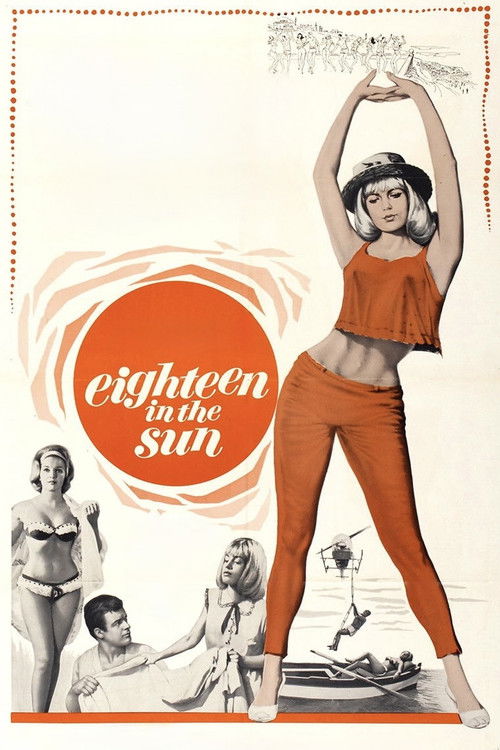
Eighteen in the Sun is a conventional 1962 comedy that prioritizes escapism over social progress. It leans heavily into established mid-century clichés, focusing on traditional romantic tension and straight-centered courtship. While the female lead exercises some control over her boundaries, the film does not challenge existing gender hierarchies or social structures. Ultimately, the work reflects the era's cinematic constraints, presenting a localized, culturally specific Mediterranean setting without addressing broader social or cultural critiques.
Category Breakdown
The film does not include any LGBTQ+ characters or narratives that challenge traditional heterosexual relationships. The plot revolves around a male and female protagonist's courtship.
Nicole Molino plays a significant role by setting physical boundaries, yet the story remains centered on male pursuit. The film follows typical 1960s gender stereotypes.
The cast appears to be predominantly of Mediterranean descent with no evidence of racial diversity or varied ethnic backgrounds.
The film focuses on a consumerist summer vacation aesthetic, prioritizing escapist leisure over any engagement with social or cultural critiques.
There is no mention of characters with visible or invisible disabilities in the film.
Present on Screen
Limited or Absent
Official Synopsis
An Italian variation on the Frankie & Annette-Gidget beach party movies that were all the rage in North America in the early 60s. Nicole Molino (Catherine Spaak) and Nicola Molino (Gianni Garko) are not related to one another. In fact, they don’t even know each other until both are inadvertently assigned the same hotel room on the island of Ischia. Nicole isn’t interested in any hanky-panky, so Nicola reluctantly promises to keep his hands to himself.
1960

1952
1960
1955
1960
1969
1964

1983
No reviews yet. Be the first to share your thoughts on this movie!
Use the rating form above to leave a star rating and optional review.