Yugotrip
2004
No user ratings available yet
Representation score: 8.1 out of 10
Representation Score
Excellent
2013
Director
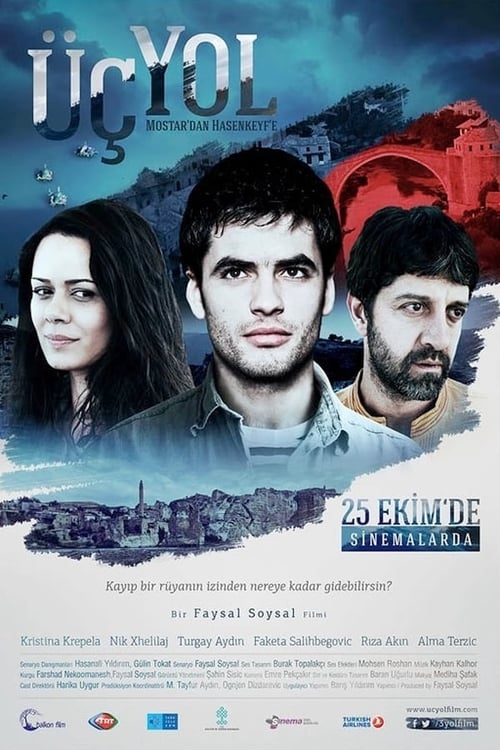
Faysal Soysal
Runtime
116 minutes
Average Rating
No ratings yetNew Showbiz Analysis
Crossroads offers a nuanced perspective on the human condition through the lens of post-war trauma. By placing a Turkish poet in a Bosnian context, the film moves away from Western-centric views and delves into the shared experiences of diverse ethnic groups. The film's strength lies in its subversion of traditional gender roles. Instead of the male protagonist driving the resolution, the narrative relies on the female psychologist's expertise to facilitate healing. This provides a more nuanced approach to emotional development. However, the film's scope is limited when it comes to specific identity groups. The absence of LGBTQ+ narratives and a lack of explicit neurodivergent representation means the film's progressive impact is focused primarily on its cross-cultural and gendered themes.
Category Breakdown
The main storyline centers around a heterosexual relationship between Benjamin and Zrinka. There are no clear representations of LGBTQ+ identities or non-cisgender narratives.
Zrinka, a psychologist, plays a significant role in driving the story forward. She is the primary influence behind the male protagonist's moral growth and emotional recovery.
The film addresses ethnic tensions between Turkey and the Balkans, avoiding Anglo-centric storytelling by focusing on a Turkish character in a Bosnian setting.
The story emphasizes personal ethics and individual experiences rather than institutional morality. It highlights the psychological impact of war and personal trauma by critiquing traditional social structures.
The film explores invisible disabilities such as PTSD and post-war psychological conditions. Characters navigate these mental health issues without being reduced to inspirational stories.
Present on Screen
Limited or Absent
Official Synopsis
Benjamin is a young poet from Turkey, works in Bosnia as a volunteer to help the extrication of dead bodies from the mass graves. He comes to Bosnia in order to escape from his past. A childish game of Benjamin causes Joseph's lover-Zeliha's dead. The psychological pressure of his job revives his past in his dreams. Zrinka is Serbian-Bosnian psychologist who is helping to the people in post war syndromes.Benjamin meets her committing suicide on Mostar Bridge.By the time they fall in love. She releases Benjamin from his qualms of conscience. Benjamin goes back to Turkey to face with his brother and past. Zrinka saw a dream something bad happened to Benjamin. She goes to Turkey but she finds secrets and new description of love.
2004
2013
2016
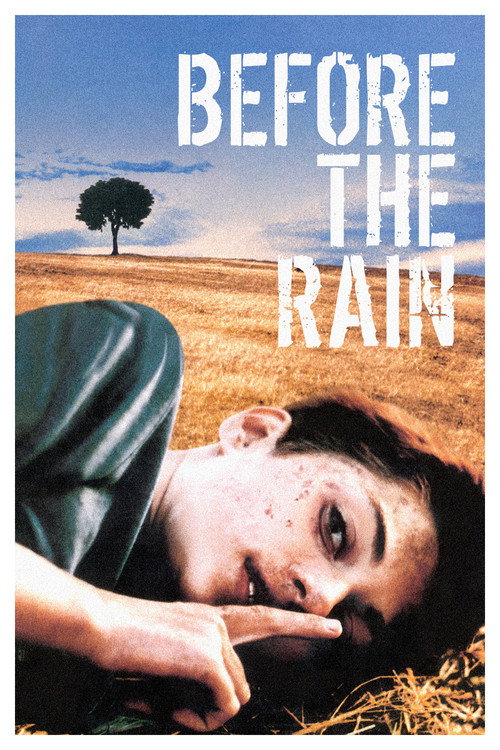
1994

2023
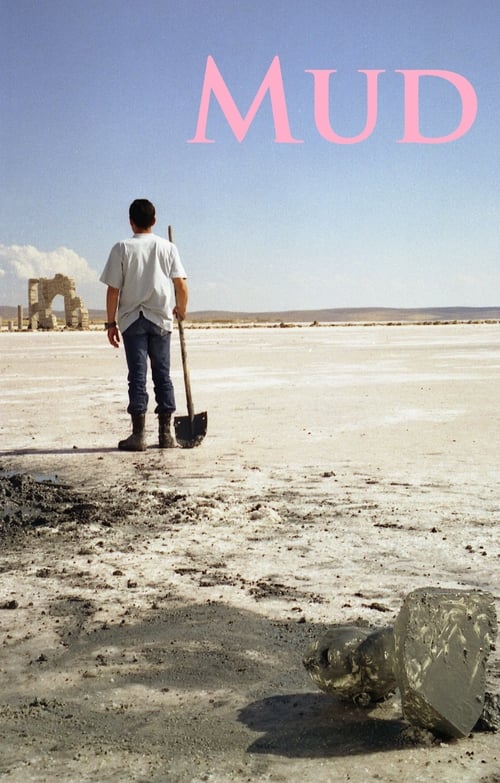
2003
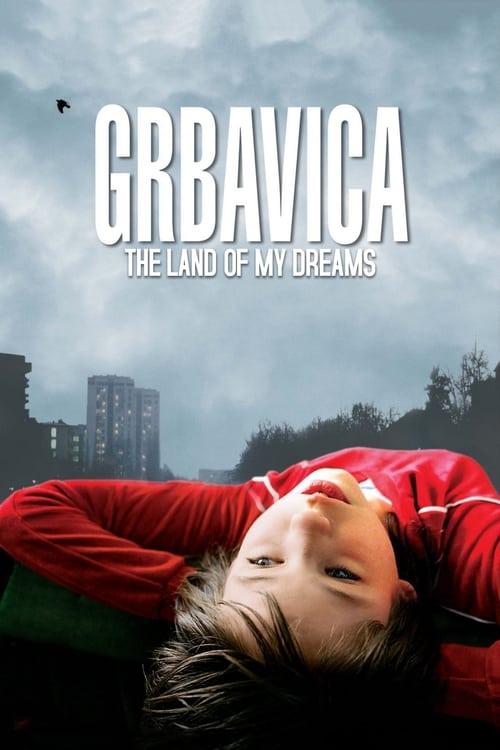
2006
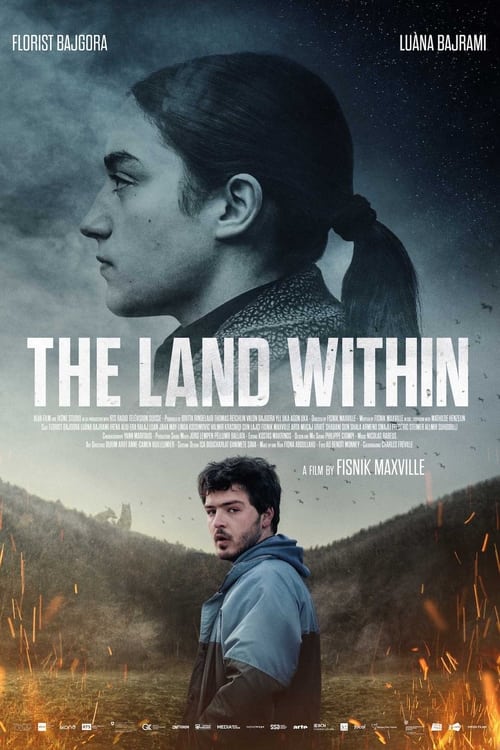
2022
No reviews yet. Be the first to share your thoughts on this movie!
Use the rating form above to leave a star rating and optional review.