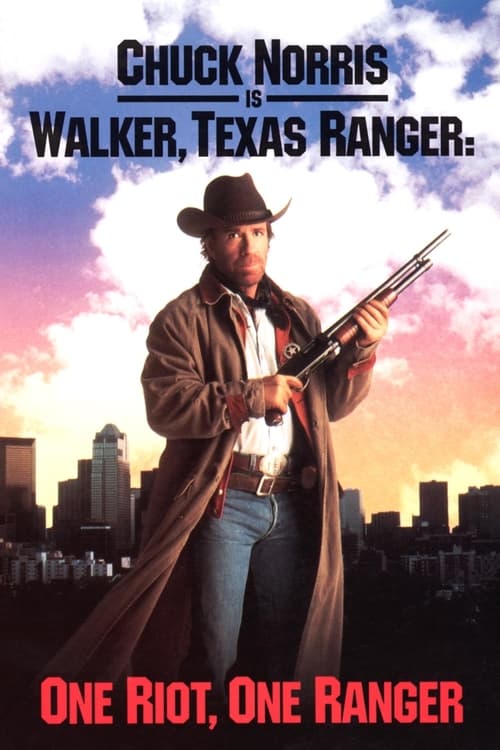
Walker, Texas Ranger: One Riot, One Ranger
1993
No user ratings available yet
Representation score: 0.5 out of 10
Representation Score
Limited
1990
TV-PGDirector
Aaron Lipstadt
Runtime
100 minutes
Average Rating
No ratings yetNew Showbiz Analysis
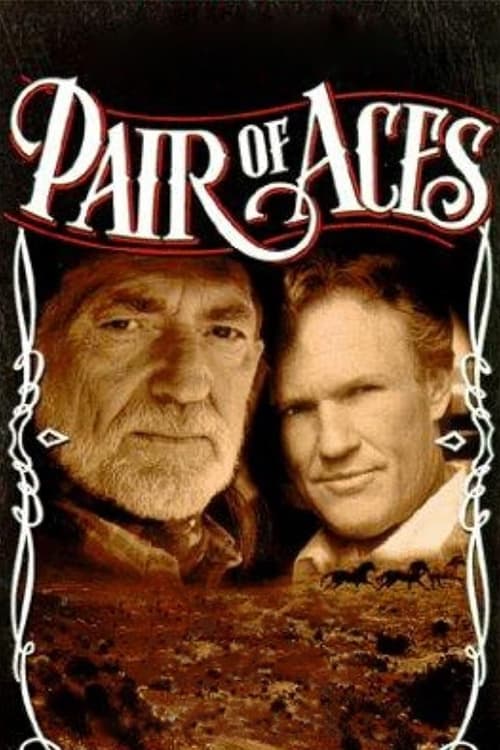
The film opens with the weathered faces of Willie Nelson and Kris Kristofferson, two aging men whose physical decline mirrors the gritty, muddy reality of their past. This visual establishes a tone of weary competence, where the "aces" are not young heroes but survivors who have paid the price of time. The sold meaning is a quiet, self-deprecating buddy film where male loyalty and skill are the ultimate virtues, and the war or past trauma is a digested backdrop rather than a fresh wound. The camera loves the men’s faces, treating their weariness as dignity, while the enemy and the chaos they face remain faceless or brief. The film’s argument is that merit and survival are the only currencies that matter. The traditional hierarchy of the Texas Ranger and the male protector is treated as unmarked and good, with no critique of its power or its exclusions. Women are present as the moral and emotional center of the home, but they are prizes to be protected, not agents who drive the plot. The racial landscape is similarly unexamined; the presence of Black actors is minor, and the narrative does not engage with the racial dynamics of the era or the setting. The ending settles on a quiet moment of camaraderie between the two leads, rewarding their survival and bond over any romantic or institutional resolution. This final image affirms the value of male friendship and competence, treating the past as a shared trauma that has been managed rather than a moral failure. The film is a product of its moment, a 1990s TV movie that relies on the star power of its folk-musician leads to sell a story about aging men who are still trying to fly planes they can barely handle. It is a traditional, unmarked narrative that treats the Western default as the only viable path to resolution.
Category Breakdown
No queer identities or same-sex intimacy appear. Romantic dynamics remain strictly heterosexual. The cast and plot offer no on-screen acknowledgment of alternative orientations.
Women serve as emotional anchors or victims. Helen Shaver’s Rose is the domestic prize, while cheerleaders are killer targets. Male competence drives the plot; female characters lack independent professional or moral authority.
The cast is overwhelmingly unmarked-majority. Michael Marich and Sonny Carl Davis provide minor Black presence in supporting roles. The story treats whiteness as the unmarked default without examining racial dynamics.
Traditional Western institutions like Texas Ranger authority are treated as stable and good. The film frames law enforcement and male heroism as the solution to chaos, offering no critique of systemic power or frontier mythology.
No characters are depicted with physical, sensory, or cognitive disabilities. Aging is treated as a natural character trait for the leads, not as an impairment or identity marker.
Present on Screen
Limited or Absent
Official Synopsis
A Texas Ranger has to protect his two daughters as he investigates a serial killer who is attacking cheerleaders. Meanwhile he finds himself working with a safe cracker who claims to be innocent of the charges filed against him.
1993
1971
1976
1973

1989
1991

1978

1987
No reviews yet. Be the first to share your thoughts on this movie!
Use the rating form above to leave a star rating and optional review.