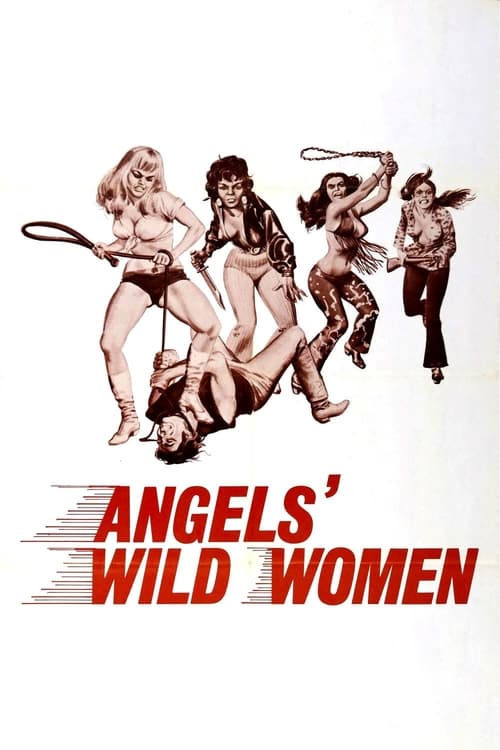
Angels' Wild Women
1972
No user ratings available yet
Diversity score: 4.1 out of 10
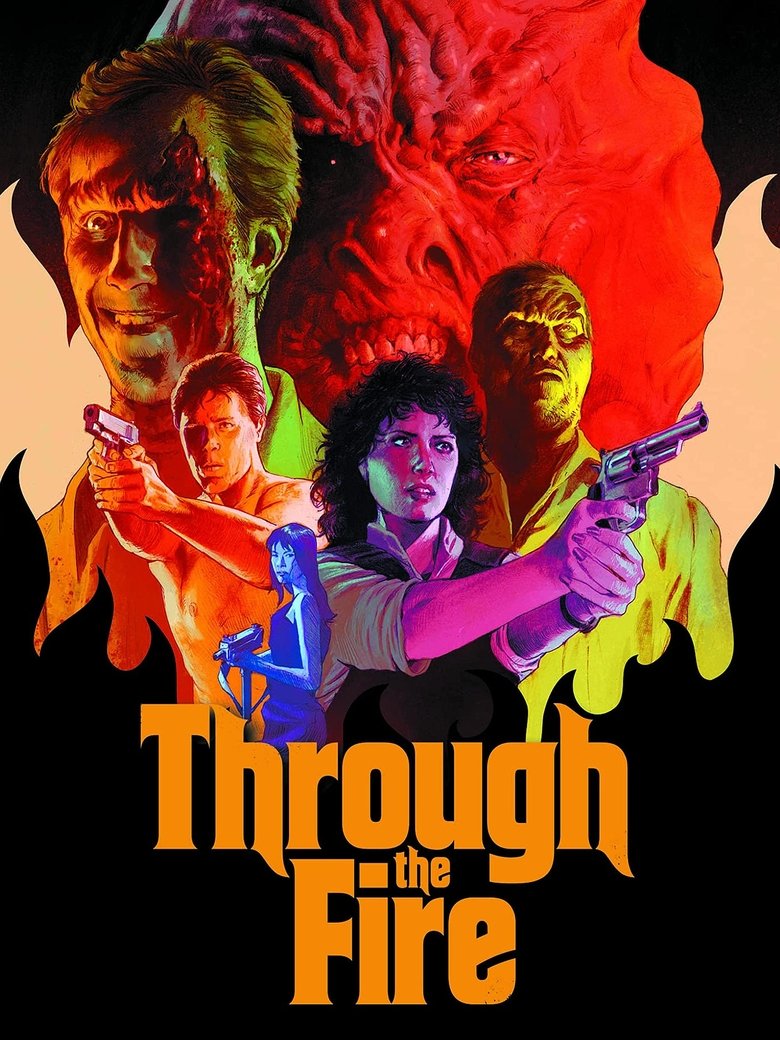
1988
RDirector
Gary Marcum
Runtime
88 minutes
Average Rating
No ratings yetSynopsis
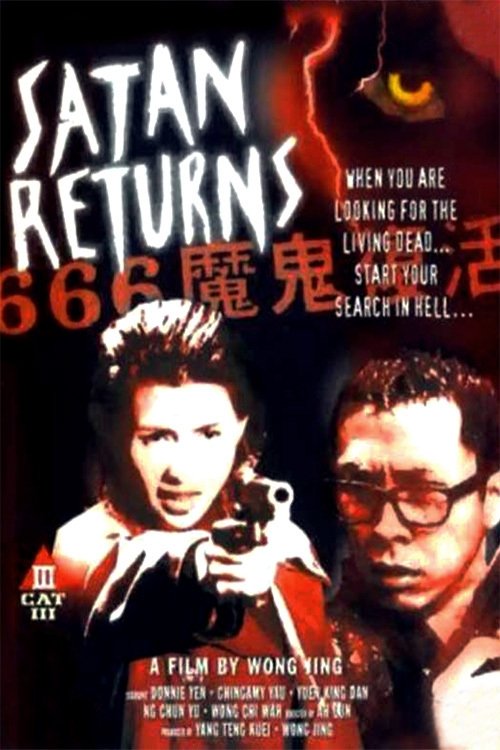
A woman enlists the help of a cop to find her sister who has been kidnapped by satanists hoping to bring about the end of the world.
Overall Score
Limited
Category Breakdown
LGBTQ+ Representation
The film lacks any visible non-cisnormative identities. The plot focuses on traditional sisterhood and standard law enforcement partnerships, adhering to the social norms of the late 1980s.
Gender Representation
A female protagonist drives the plot by seeking help to find her sister. However, her reliance on a male officer suggests a traditional hierarchy where she remains in a reactive role.
Racial & Ethnic Diversity
The narrative appears to follow the homogeneous casting standards typical of 1980s horror. There is no indication of a diverse or non-white ensemble within the provided context.
Religious & Cultural Diversity
The story centers on a conflict with satanists, a trope that reinforces singular moral binaries. This framework likely upholds traditional Western moralities rather than exploring complex spiritual perspectives.
Disability Representation
There is no information available regarding the inclusion or portrayal of characters with physical or neurodivergent disabilities.
Strengths
Areas for Improvement
AI Analysis
Through the Fire is a product of its era, leaning heavily into established horror and action tropes. The narrative structure prioritizes conventional archetypes, such as the law enforcement partnership and binary moral conflicts, over nuanced character development. The film lacks intersectional depth, failing to present diverse racial, ethnic, or LGBTQ+ identities. It functions within a narrow framework of traditional Western morality and gender roles common to 1980s genre cinema. While the female lead provides some agency, the story ultimately relies on male intervention to resolve the central crisis, reinforcing a standard gender hierarchy.
1972

1986
1994
2003
2001
1994
1983
2000
1996

1985
1986

2001
No reviews yet. Be the first to share your thoughts on this movie!
Use the rating form above to leave a star rating and optional review.